Let's start with the honest part
Hormonal birth control works by flattening your hormonal landscape. That's the point. It's also why many people on the pill, patch, or ring report lower libido, delayed orgasm, or that general "meh" feeling about sex. This is not a personal failing. It's biochemistry doing exactly what it was designed to do.
What nobody tells you: when you stop, your hormones don't just "come back." They surge, recalibrate, and your body has to relearn how to respond to stimulation. That relearning period is disorienting, sometimes painful, and often misunderstood as "something's wrong with me." Nothing is wrong. Your system is rebooting.
Why desire gets suppressed on hormonal contraception
Hormonal birth control works by lowering testosterone and raising something called sex hormone binding globulin (SHBG). Testosterone matters for desire in everyone, regardless of how your reproductive system is wired. When it's chemically suppressed, arousal becomes harder to trigger and slower to build. Some people adapt. Others feel like they're living in a fog.
On top of that, the pill stabilizes estrogen, which means no monthly surge in dopamine or serotonin. Many people describe this as a flatness. Not depression exactly, but a kind of emotional and physical muting.
Here's the kicker: this can last for months or even years after you stop. Your body didn't forget how to produce testosterone, but it takes time to restart that system at full volume. The first three to six months are the adjustment zone.
What changes when you come off
Three major shifts happen:
1. Testosterone climbs. Within weeks, your body starts producing it again. This isn't a smooth ramp. It's erratic and uneven, which is why desire might feel unpredictable in those first months. Some days it's intense. Some days it's nowhere.
2. Sensation becomes sharper. On the pill, many people describe a kind of numbness in their genitals. Stimulation registers, but it feels distant or muffled. Off the pill, that changes. Sensation becomes acute again. For some people, that's thrilling. For others, it's too intense.
3. Arousal gets quicker. Your clitoris becomes more responsive. This can surprise you. You might find yourself attracted to someone you weren't attracted to before, or you might notice physical responses you'd forgotten your body was capable of.
All of this is normal. It's also confusing.
Why lemon clitoral vibrators fit this transition
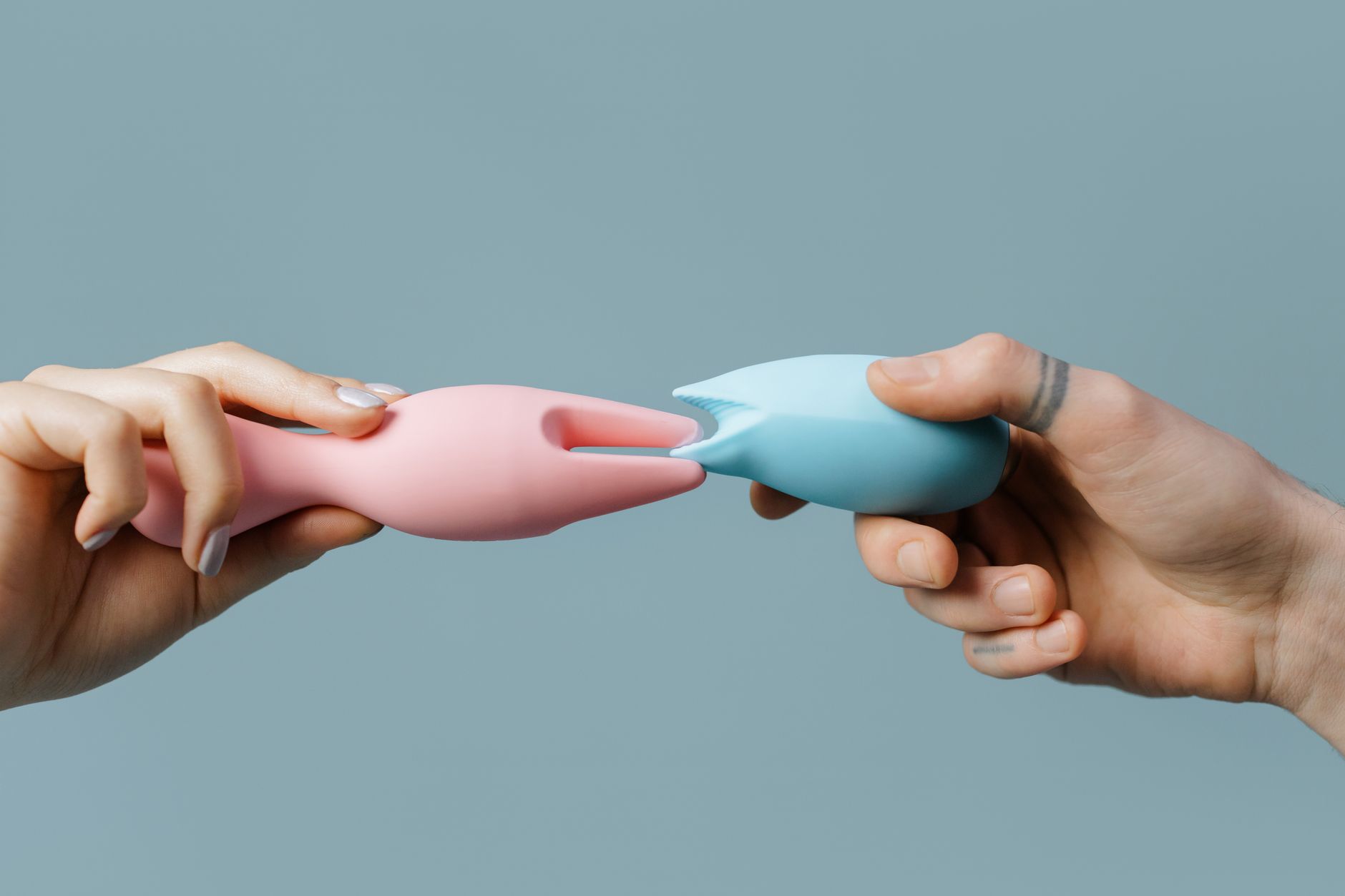
When your sensitivity is resetting, you need a tool that gives you control over intensity. Lemon clitoral vibrators like the Lem work through gentle suction rather than traditional vibration, which means you can explore stimulation at your own pace without overwhelming newly sensitive tissue.
Here's what makes them especially useful during this window:
Graduated intensity. Start at pattern 1 or 2. You're not working with a full-strength vibration. Suction stimulation builds gradually, which lets your nervous system catch up to what's happening.
No guessing. Manual stimulation during this period can feel uncertain because your body's responses are still recalibrating. A lemon clitoral vibrator gives you a consistent, reliable stimulus that takes the guesswork out of finding what feels good.
Reconnection without pressure. Many people worry something is broken because their body feels different. Using a tool designed specifically for clitoral pleasure reinforces the truth: your body works, it's just recalibrating. That reframing alone is powerful.
The first three months after stopping
Expect this timeline, though individual timing varies:
Weeks 1-2: Mild withdrawal symptoms possible (headache, mood dip). Desire might not show up yet. This is normal. Let your system settle.
Weeks 3-6: Testosterone starts rising. You might notice mood lift, energy increase, and sudden interest in sex. Some people experience a spike in sensation that feels almost too much. This is where a lemon clitoral vibrator becomes your friend because you can control the pacing.
Weeks 7-12: Hormones stabilize a bit, but they're still erratic. You might feel high desire one day and nothing the next. Don't panic. This is normal. Use tools that match your current state.
Month 4 onward: Most people feel more stable. Your cycle returns if you had one before. Desire becomes more predictable, though it's often higher than it was on hormonal birth control.
The sensation reset: what to expect
Making love or exploring solo after months of suppressed sensation can feel weird. Your clitoris might feel almost raw in its responsiveness. That hyper-sensitivity usually calms down in two to three months, but in the meantime, you need a tool that respects that newness.
Suction-based stimulation is gentler than direct vibration because it works with the tissue's natural response rather than against it. A lemon sucker creates a vacuum around the clitoris that feels more like the sensation of someone's mouth, which is why many people find it more natural during this adjustment period.
If direct stimulation still feels too intense after a few weeks, this might signal you need to take it slower. That's fine. Use lower patterns. Take breaks. Let your body lead.
Reframing the "post-pill libido" myth
You'll hear this phrase: "Your libido comes roaring back after you stop hormonal birth control." This is true for many people, but not all, and the framing matters.
Some people experience increased desire immediately. Others don't feel major changes for months. Some people expect a surge and then feel disappointed when they don't get one. That disappointment is real, but it's not evidence that something's wrong.
Birth control affects your system for a long time after you stop. Hormone levels can take six months to fully normalize. If you're not feeling a massive libido shift, you're not failing. You're just on a different timeline.
Using a lemon clitoral vibrator during this period isn't about forcing desire. It's about creating a comfortable space to explore sensation at whatever pace matches your body right now.
When to get curious with a partner
If you're in a relationship, this transition is worth talking about before it becomes a problem. "My body is resetting. I'm figuring out what feels good again. I might want to explore with some tools." Most partners appreciate the honesty.
If your partner is hesitant about toys, know that <a href="/blog/why-lemon-vibrators-help-when-youre-nervous-about-using-toys-with-your-partner">bringing in a lemon clitoral vibrator often feels less threatening than expected</a> because it positions pleasure as something you're exploring together, not replacing them.
You might also find that your desire for partnered sex changes timing. Maybe you want more foreplay. Maybe you want to start solo and then connect. Maybe you want to use the Lem together. All of these are legitimate explorations that deepen intimacy, not undermine it.
Troubleshooting common frustrations
"I still don't feel much." This can happen if hormones are still severely imbalanced or if you had very low desire before the pill. Give it more time. In the meantime, <a href="/blog/how-to-use-lemon-vibrators-for-better-orgasms-when-clitoral-sensation-feels-numb">exploring sensation without pressure helps your nervous system wake up</a>.
"It feels too intense." Start at the lowest pattern. Suction builds from gentle to strong, but if even the gentlest setting feels overwhelming, take breaks. Your body is recalibrating.
"I feel nothing, then suddenly everything." Welcome to post-pill hormones. This erratic response is temporary. A lemon clitoral vibrator helps because you can match it to your current state each day.
"I'm more interested in sex but my partner isn't." This mismatch is real and common after stopping birth control. It's worth addressing directly. Sometimes it's temporary. Sometimes it's signaling a deeper incompatibility. Either way, honest conversation helps.
The bigger picture: pleasure as information
Your body coming back online isn't an inconvenience. It's information. What you notice about desire after the pill ends tells you something true about your biology and what actually turns you on when hormones aren't being chemically managed.
Some people discover they want more sex than they thought. Some people discover they want less but with more intensity. Some people discover their arousal pattern is completely different. None of these discoveries are wrong. They're clarifications.
Lemon clitoral vibrators fit into this reclamation because they're tools that let you explore without judgment. No performance pressure. No guessing. Just you and your body, getting reacquainted.
The transition off hormonal birth control is temporary. Your body stabilizes. Your hormones balance. And on the other side of it, you often find a version of pleasure that feels more authentically yours.
People also ask
How long does it take for libido to return after stopping hormonal birth control?
Most people see noticeable shifts in desire within three to six weeks as testosterone levels rise. Full hormonal stabilization takes longer, often three to six months. But this varies widely. Some people feel changes within days. Others take longer. There's no "right" timeline.
Can stopping birth control cause sensitivity issues?
Not exactly. What you might experience is hypersensitivity as your tissue becomes more responsive to stimulation. This usually normalizes within two to three months. If pain or discomfort persists, see a gynecologist to rule out other causes.
Is it normal to feel emotionally unstable after quitting hormonal birth control?
Yes. Hormonal birth control regulates mood in part because it stabilizes estrogen. When you stop, estrogen fluctuates naturally again. This can feel like mood swings, but it's your body returning to its baseline. It typically settles within two to three months.
Can I use a lemon clitoral vibrator right away after stopping birth control?
Absolutely. In fact, using a tool that lets you control intensity can help you navigate the transition more comfortably. Start with lower patterns and let your sensitivity guide you.
What if I don't feel more desire after stopping the pill?
Absence of change doesn't mean something is wrong. Libido is influenced by stress, relationship dynamics, health, and other factors beyond hormones. If low desire persists beyond six months, talk to a therapist or doctor. Meanwhile, <a href="/blog/how-to-use-lemon-vibrators-when-arousal-takes-longer-in-your-40s">exploring sensation without pressure can help you reconnect to pleasure</a>.
Should I tell my partner I'm coming off birth control?
Yes. This change affects both of you. Your partner can support you better if they understand what's happening in your body. It also creates space for you to explore together if that feels right.
What comes next
Coming off hormonal birth control is a real transition. Your body isn't broken. It's waking up. Some of what you feel will be disorienting. Some of it will be wonderful. All of it is temporary and will settle.
If you want support navigating this shift, especially with a partner, <a href="/contact">reach out</a>. I'm here to help you make sense of what's happening and get curious about what your body wants now.