How Lemon Clitoral Vibrators Work Better With Age-Related Tissue Changes
Let's be real. Your body changes as you age. Tissue thins, blood flow patterns shift, sensitivity feels different. The friction-based vibrator that worked beautifully at 28 might feel abrasive at 45. And most people never talk about this, so you're left thinking you've broken something when really, your body just needs a different approach.
Here's what actually happens, and why lemon clitoral vibrators designed with air-suction technology feel dramatically better when tissue becomes more delicate.
What happens to tissue as you age
Estrogen, collagen, and blood flow are tightly linked. As estrogen declines with age, the vulva's tissue thins. This isn't menopause exclusively. It starts in your 40s and 50s, but can also happen earlier from stress, certain medications, or health conditions. The tissue becomes less elastic. The dermal layer flattens. The mucous membrane produces less natural lubrication, even when you're aroused.
At the same time, nerve density doesn't actually diminish as much as you might think. What changes is how those nerves respond to stimulation. Nerves in thinned tissue can become hypersensitive to direct mechanical friction. A vibrator that uses rapid buzzing or jabbing motions can feel sharp, overwhelming, or even painful rather than pleasurable.
The clitoral structure itself remains intact. The internal branches of the clitoris are still there. The nerve endings are still firing. You haven't lost the capacity for sensation. You've just entered a phase where the type of stimulation needs to shift.
Why air-suction design changes everything
Traditional vibrators work through friction. They press against or rub across tissue. For thick, well-elasticated skin with high natural lubrication, friction vibrators work brilliantly. For thinned tissue, they can feel too intense or even micro-abrasive.
Air-suction technology works differently. Instead of rubbing, it creates a gentle pulse of pressure and release. Think of it like a delicate sucking sensation rather than a vibration. The pressure stimulates the nerve endings without the mechanical shearing that happens with friction.
For people with age-related tissue changes, this is transformative. You're no longer depending on the tissue to absorb and distribute the stimulation. The suction engages the nerves directly through pressure variation rather than surface friction. It's gentler on delicate skin while remaining intensely stimulating to the actual nerve clusters.
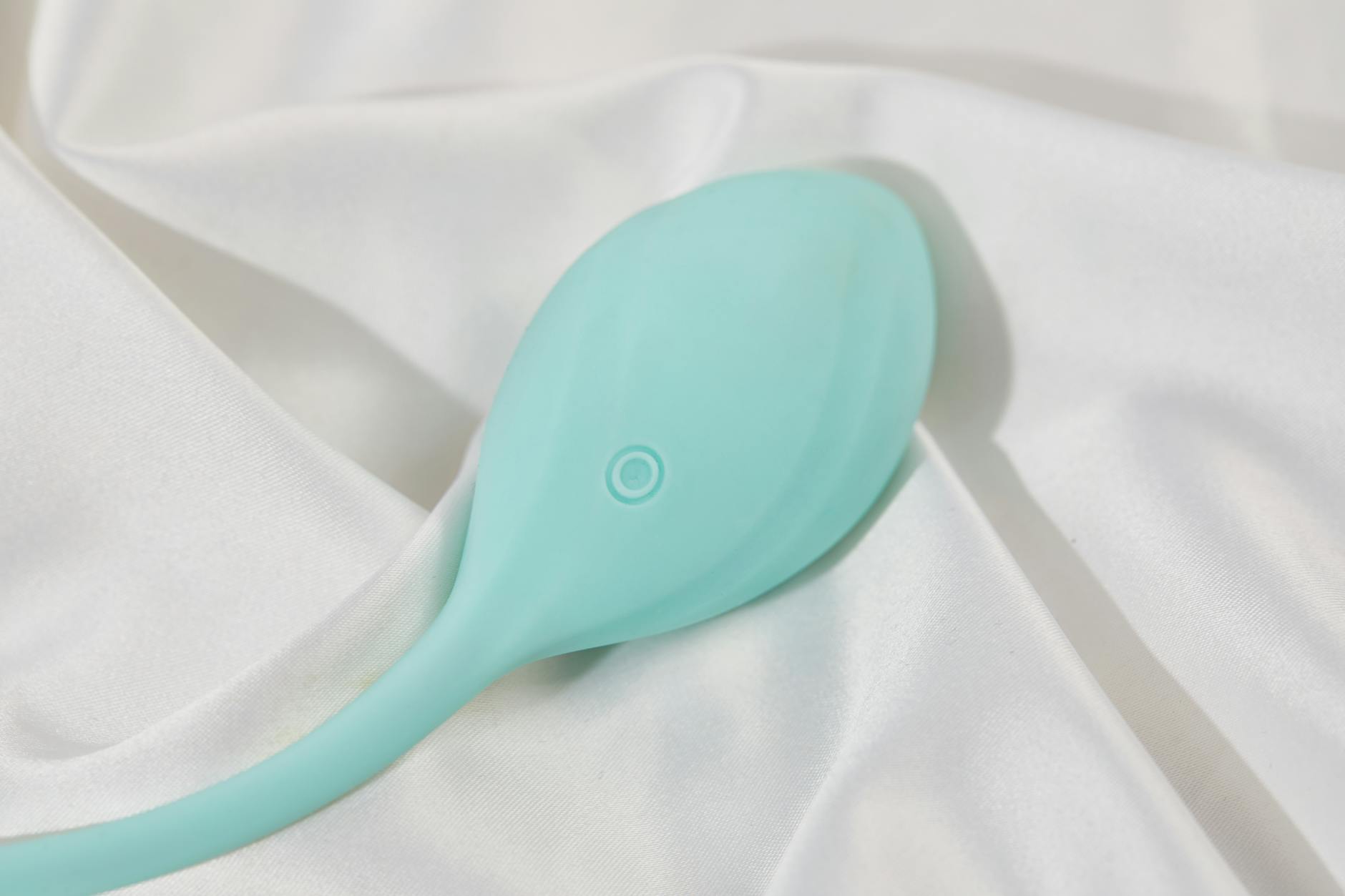
The lemon clitoral vibrator uses this exact mechanism. It's not a buzzier, faster toy. It's a fundamentally different approach to pleasure that works with your changing body rather than against it.
How sensitivity patterns shift with age
Here's something most people get wrong. When tissue thins, many assume you'll feel less. Often the opposite happens at first. Thinned tissue means the nerves sit closer to the surface. This can make stimulation feel more intense, not less. But the intensity can feel sharp instead of pleasurable if you're using a tool designed for thicker skin.
Your arousal timeline also changes. It takes longer to build. This isn't a weakness. It's a physiological shift. You might need 15 to 25 minutes of warm-up before you're ready for clitoral stimulation, whereas in your 30s you might have been ready in 5. This is completely normal. It also means you benefit from toys that create sustained, gentle sensation rather than toys that rely on you being already fully aroused before you use them.
With age-related changes, many people find they prefer lower intensity settings at the start of a session and a longer warm-up period. The lemon vibrator's suction design allows you to start at the lowest pattern and gradually build intensity without the sensation ever feeling jarring or painful. Friction vibrators often don't have this gradual escalation. They jump from too mild to too intense.
The lubrication conversation that matters
Your body still produces lubrication when aroused. But as tissue changes, that lubrication might be less abundant or have a different consistency. Water-based lubricant becomes less of a nice addition and more of an essential tool. This isn't about being broken. It's about matching your body's current needs.
Water-based lube works particularly well with air-suction lemon vibrators because it helps the suction maintain a gentle seal without any friction element. If you were using a friction vibrator, you'd need heavy lubrication to reduce chafing. With suction design, lighter lubrication is enough because there's no chafing to prevent in the first place.
Application matters too. Apply your lubricant directly to your skin rather than to the toy. This gives you better control and helps you feel the gentle warmth of the toy against your skin, which many people find more sensual and connecting.
Positioning and angle with changing anatomy
As tissue changes, the angle at which you access clitoral sensation shifts subtly. What felt perfect at 35 might feel slightly off at 50. This isn't dramatic. It's a small anatomical shift from reduced elasticity and collagen remodeling.
Many people find that direct vertical contact with the clitoris becomes less comfortable with thinned tissue. Slight angles or lateral contact often feel better. The lemon vibrator's design allows you to angle it intuitively without fighting the toy's shape. Friction vibrators often require more precise positioning to feel good, which can become frustrating if your comfort zone has shifted.
Experiment. Tilt the toy slightly. Try different angles on different intensity settings. Your pleasure map might have changed, and that's exactly what curiosity is for.
Partners, communication, and timing
If you're partnered, age-related tissue changes affect partnered sex too. Direct manual stimulation can feel sharp where it used to feel amazing. Penetration angles that felt good might now feel uncomfortable. This is incredibly common, and it's worth discussing with your partner.
Many couples rebuild intimacy in midlife relationships by introducing toys specifically because the change shifts the dynamic from what worked before into something new they explore together. Using a lemon clitoral vibrator isn't replacing manual touch. It's introducing a tool that works with both of your changing bodies.
Timing matters too. You might find that morning sessions feel different than evening sessions, or that your arousal window has shifted slightly. Work with your body's actual rhythm, not your memory of its rhythm from 15 years ago.
Sensitivity loss vs. sensitivity change
People often conflate these two. Sensitivity loss means you feel less. Sensitivity change means stimulation feels different, often more intense or sharp even though you feel it clearly. Most age-related changes are sensitivity shifts, not loss.
If you're regaining sensitivity after numbness has set in, the warm-up period becomes even more important. Your nervous system needs time to fully activate. Starting with low-intensity suction patterns and building gradually over 20 minutes can help your sensitivity fully engage.
The lemon vibrator's multi-pattern design is useful here because you're not locked into one sensation. You can move between patterns as your sensitivity waxes and wanes during a session, which many people find more intuitive than a single-pattern toy.
When to check in with a provider
If any of this causes pain rather than discomfort, talk to a clinician. Genitourinary syndrome (GSM) is common and highly treatable. Topical estrogen creams, vaginal moisturizers, and other medical interventions can help restore tissue resilience. These aren't band-aids. They actually improve tissue health, which changes how stimulation feels across the board.
Don't assume you've lost the capacity for pleasure. You haven't. You've entered a phase where your body needs a different type of tool. Air-suction lemon clitoral vibrators are specifically designed for this transition. They work with aging tissue rather than against it.
The pleasure dividend of age
Here's what I've seen consistently in my practice. People who navigate tissue changes thoughtfully often report their most satisfying sexual experiences of their lives after 50. Why? Mental clarity. Reduced performance pressure. Better understanding of their own bodies. And tools designed for the bodies they actually have, not the bodies they used to have.
Your pleasure matters at every age. Age-related tissue changes aren't the end of that story. They're a plot twist that, with the right information and the right tools, often leads somewhere richer.
People also ask
Why do lemon vibrators feel better on aging skin than traditional vibrators?
Lemon clitoral vibrators use air-suction technology instead of friction-based vibration. As tissue thins with age, friction can feel sharp or uncomfortable. Suction stimulates nerves through gentle pressure variation rather than surface rubbing, making it ideal for delicate, age-related tissue changes. The design engages sensation directly without mechanical stress on thinned skin.
Can age-related tissue changes make you unable to have orgasms?
No. Tissue changes affect how stimulation feels, not your capacity for orgasm. The nerve endings remain intact, and the internal clitoral structure is unchanged. Many people have more intense or satisfying orgasms after tissue changes because they've learned what their current body actually needs. It's a recalibration, not an ending.
Do I need more lubrication with a lemon clitoral vibrator if I have age-related tissue changes?
Yes, typically. Age-related changes often mean less natural lubrication during arousal. Water-based lubricant helps the air-suction mechanism work smoothly and makes the experience more comfortable. Apply lubricant to your skin rather than the toy so you can feel the warmth and texture of the device itself.
How long does it take to feel pleasured with a lemon vibrator if I have tissue changes?
Budget 15 to 25 minutes for warm-up and stimulation combined. Age-related tissue changes usually mean arousal takes longer to build. This isn't a problem. It's actually an opportunity to slow down and explore sensation more mindfully. Start with the lowest intensity setting on the lemon vibrator and increase gradually as your arousal builds.
Is it normal for direct clitoral contact to feel uncomfortable after age-related changes?
Completely normal. Thinned tissue is more sensitive to direct friction. Try angling the lemon vibrator slightly off-center or using lateral contact instead of direct vertical pressure. Small adjustments in positioning often make a significant difference. Your pleasure map has shifted, and that's worth exploring.
Can you use a lemon clitoral vibrator if you have genitourinary syndrome?
Yes, but start gently and use water-based lubricant generously. If you experience pain rather than discomfort, consult a clinician. Topical estrogen creams and vaginal moisturizers can improve tissue health and change how stimulation feels. The combination of medical support and a well-designed toy like the lemon vibrator often creates the best outcome.