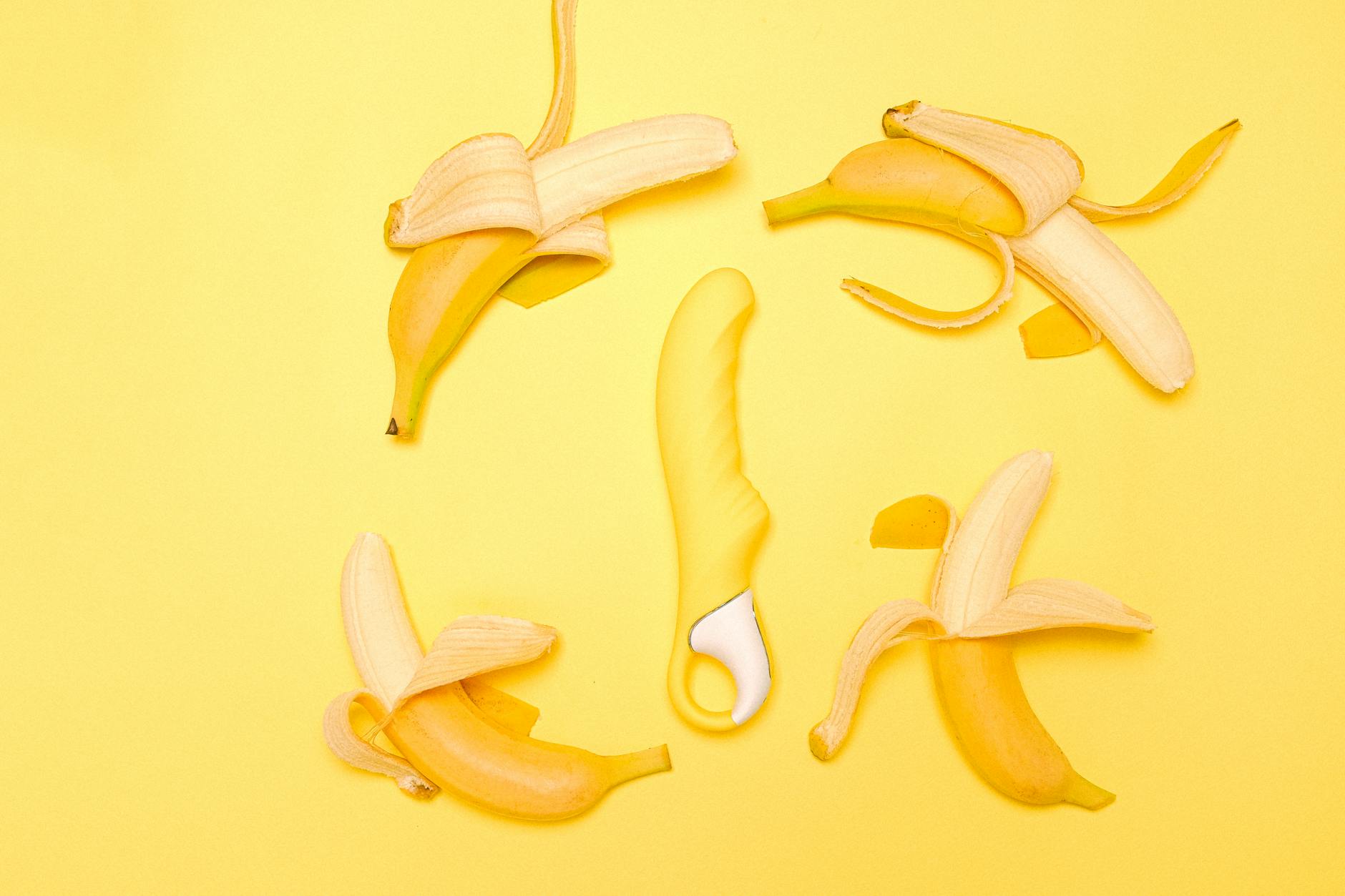
How Lemon Vibrators Improve Pleasure During Perimenopause Transitions
Perimenopause sneaks up. One month your body feels like home. The next, arousal takes longer, sensitivity shifts, and what used to work doesn't anymore. You're not broken. Your hormones are in flux, and your pleasure is absolutely recoverable.
This is where lemon clitoral vibrators become genuinely useful. Not as a backup plan, but as a tool that works with your body's new reality.
What actually happens to pleasure during perimenopause
Perimenopause typically lasts 4 to 10 years before your final period. During this window, estrogen levels bounce wildly rather than declining steadily. One week you feel like yourself. The next week, your vulva feels less sensitive, arousal takes longer to build, and orgasms might feel different in intensity or location.
Here's why: estrogen affects blood flow to the clitoris and vagina. When estrogen dips, the tissues thin slightly, and the nerve endings receive less robust blood supply. This doesn't mean sensation dies. It means sensation changes. Things that felt intense might feel muted. What aroused you in seconds might now take 15 minutes.
That's not a decline. That's a different experience.
Many people also report that their arousal pattern shifts during perimenopause. Spontaneous desire (thinking about sex randomly throughout the day) often drops, while responsive desire (arousal that builds with touch and attention) stays intact or even strengthens. This is a real neurobiological shift, not laziness or a relationship problem.
Why lemon clitoral vibrators work so well during this transition
Lemon vibrators, including the Lem and other lemon-shaped clitoral vibrators, are engineered around suction and pulsing rather than pure vibration. That distinction matters hugely during perimenopause.
Suction stimulation activates a different set of nerve endings than direct vibration does. It's gentler on thinning tissue, doesn't numb easily (which matters if you're worried about desensitization), and builds arousal progressively rather than all at once. For someone whose sensitivity is fluctuating week to week, that slow build is often more reliable.
The other reason lemon vibrators help: they don't require a specific pressure point. A traditional vibrator often demands that you find the exact right angle or pressure for sensation to register. With suction-based clitoral vibrators, the stimulation is more forgiving. Your body guides the intensity rather than you hunting for the right position.
During perimenopause, when you're already navigating unpredictable sensations, that predictability is gold.
How your arousal timeline shifts (and how to plan for it)
One of the hardest adjustments during perimenopause isn't the sensation itself. It's the timeline.
If you spent 20 years reaching orgasm in 8 minutes with a partner, and suddenly you need 20 to 25 minutes, that can feel like failure. It's not. It's a different rhythm, and learning it is half the battle.
Here's what I see in my practice: people who adjust fastest are those who separate the arousal phase from the goal. Instead of "I need to come," the conversation becomes "I want to spend 20 minutes building sensation."
With a lemon clitoral vibrator, you can start at the lowest setting and spend 10 minutes there. No pressure, no racing to an endpoint. Then move up a level. Then explore a different pattern. This reframes the entire experience from performance to exploration.
Your partner, if you have one, also shifts their role. Instead of being the person who makes you come, they become the person who's present during a longer, deeper process. That's actually more intimate for many couples.
Hormonal patterns within perimenopause matter more than you'd think
Perimenopause isn't one steady state. Your estrogen might be high the first two weeks of your cycle, then crater. This means your sensitivity literally oscillates.
If you track your pleasure alongside your cycle, you'll often notice patterns. Weeks 1 and 2 of your cycle (if you still have regular periods) might feel more responsive. Weeks 3 and 4 might feel muted. This is totally normal, and knowing it helps you stop blaming yourself.
With lemon vibrators, you can work with this rhythm rather than fighting it. On high-sensitivity weeks, you might use a lower setting or spend more time on foreplay before touching the vibrator at all. On lower-sensitivity weeks, you might go straight to the vibrator and spend more time building.
This isn't complicated. It's just meeting your body where it actually is on any given day.
The lube shift that changes everything
During perimenopause, natural lubrication becomes less reliable. Some days abundant, some days noticeably less.
This is where people often panic and assume they're done. They're not. They just need lube in a way they didn't before.
Water-based lubricant isn't a sign of failure. It's a tool that makes lemon clitoral vibrator use smoother, more comfortable, and often more pleasurable. A vibrator gliding over lubricated tissue creates a different sensation than one directly on skin. Try both and see what your body prefers during different phases of your cycle.
Silicone-based lubes feel richer and last longer, but they can damage silicone toys. Stick with water-based for lemon vibrators and other silicone toys. And honestly, reapply it. Lube that's dried out stops working.
Partnered pleasure gets deeper, not harder
If you have a partner, perimenopause is actually an opportunity to rebuild intimacy in a way that works for your actual body right now.
Many couples I work with have fallen into a routine where sex happens a certain way, at a certain speed, with a certain outcome. Perimenopause breaks that routine. And while that feels disruptive, it's also an opening.
Using a lemon vibrator together becomes a form of communication. Your partner learns your body's new rhythms. You get to ask for what feels good without shame. And the outcome becomes less about "did I orgasm" and more about "did we connect."
For <a href="/blog/how-to-use-lemon-vibrators-with-a-partner-for-shared-pleasure">couples using lemon vibrators together for shared pleasure</a>, the adjustment period is usually short. Most people find that within 2 to 3 sessions, they're exploring new patterns and discovering sensations they didn't know were possible.
When to talk to someone and when to just adjust
Some pleasure shifts during perimenopause are just... perimenopause. Your hormones are changing, and your pleasure is adjusting with them. That's expected.
Other shifts warrant a conversation with a gynecologist. If penetration becomes painful (not just less lubricated, but actually painful), that's worth addressing. If desire disappears entirely for months, not weeks, that deserves attention. If you're experiencing other symptoms like severe mood swings or sleep disruption, your doctor needs to know.
But fluctuating sensitivity and a longer arousal timeline? That's usually just your body in transition. And lemon clitoral vibrators are specifically designed to work with bodies in transition.
You might also find it helpful to <a href="/blog/why-lemon-vibrators-feel-different-after-40-sensitivity-arousal-changes">read more about how sensations shift after 40</a> to get a bigger picture of what's normal across this phase of life.
The mental piece (honestly, the harder part)
Physically, perimenopause is manageable. Mentally, it can be rougher.
You're grieving a version of your body that could spontaneously become aroused. You might be managing other midlife stuff: kids leaving, career shifts, relationship reckoning. Your body feels like it's not cooperating with the timeline you expected.
All of that is real and worth acknowledging.
Using a lemon vibrator through this phase isn't about "fixing" yourself. It's about saying: my pleasure matters, and I'm going to learn my body at this stage of life, and I deserve that investment.
That mindset shift often does more for pleasure than any device.
FAQ: Your perimenopause pleasure questions answered
Will lemon vibrators help if my arousal is completely gone right now?
Completely gone arousal is worth talking to your doctor about. It could be hormonal (low estrogen, low testosterone), but it could also be stress, medication, relationship dynamics, or depression. A lemon vibrator won't fix underlying causes, but once you've checked those things, a vibrator can help you reconnect with sensation in a low-pressure way.
Is it normal for my lemon clitoral vibrator to feel numb on some days?
Yes. Tissue sensitivity genuinely fluctuates during perimenopause. If numbness is constant across weeks, that's worth mentioning to your doctor. But if it comes and goes with your cycle? Totally expected. Some days your body will need different stimulation, different patterns, different lube. Treat it as exploration, not failure.
How do I know if my pleasure changes are perimenopause or something else?
Keep a simple log: date, cycle day (if applicable), what you tried, how it felt, any other symptoms that day (mood, sleep, hot flashes). After 2 to 3 months, patterns usually emerge. If changes cluster around certain times of your cycle or around stress, it's likely perimenopause plus life stuff. If it's constant and severe, talk to your doctor.
Can I still have good orgasms during perimenopause?
Absolutely. Different doesn't mean worse. Many people report that orgasms during perimenopause are more intense, more full-body, or more emotionally satisfying than earlier in life. The path to them might be longer, but the destination is often richer.
Should I use a lemon vibrator alone or with a partner during this phase?
Both work. Solo time helps you learn your new body without performance pressure. Partnered time builds intimacy and lets your partner learn too. Most people benefit from both, especially early in perimenopause.
What if lemon vibrators still don't feel great after I adjust?
Try different patterns and intensities, different lube, different timing in your cycle. If nothing clicks after 4 to 6 weeks of genuine experimentation, your body might be saying it needs a different approach. That's information, not failure. A conversation with your doctor or a sex therapist can help you figure out what's next.
The bottom line
Perimenopause changes pleasure. It doesn't end it.
Lemon clitoral vibrators work during this phase because they're forgiving, they don't numb easily, and they work with variable sensitivity rather than against it. You deserve pleasure that matches your body right now, not the body you had at 25.
If you're navigating this transition and feeling lost about what pleasure looks like for you now, <a href="/contact">reach out</a>. There's no single right way through this. But there are ways that work.