Here's what nobody warns you about with an IUD
Your IUD is one of the most effective forms of contraception available. It's also a small device sitting inside your reproductive system that your body is actively working to tolerate. For the first few weeks, maybe months, your nervous system is paying attention to it. That hypervigilance? It mutes sensation.
Most people experience a temporary dip in orgasm quality after IUD insertion. This is not permanent. It's also not a sign something is wrong.
What an IUD actually changes about pleasure
An IUD sits in the uterus. During sex and self-pleasure, the cervix and uterine area are involved in sensation building. When there's a foreign object present, even a small one, your body's threat detection system stays slightly activated. That background alertness takes up neural real estate that would normally go toward pleasure.
Second, some IUDs come with strings that hang into the vaginal canal. These strings can create a mild, distracting sensation during penetrative sex or deep internal stimulation. For clitoral pleasure, strings matter less, which is why many people find clitoral stimulation returns to normal faster than other types of pleasure.
Third, insertion trauma to the cervix and uterus means inflammation for a few weeks. Your pelvic floor tightens protectively. A tight pelvic floor is a pleasure dampener. Orgasms feel shallower, take longer to build, and sometimes disappear entirely during the adjustment period.
None of this is permanent.
Why lemon clitoral vibrators help during IUD adjustment
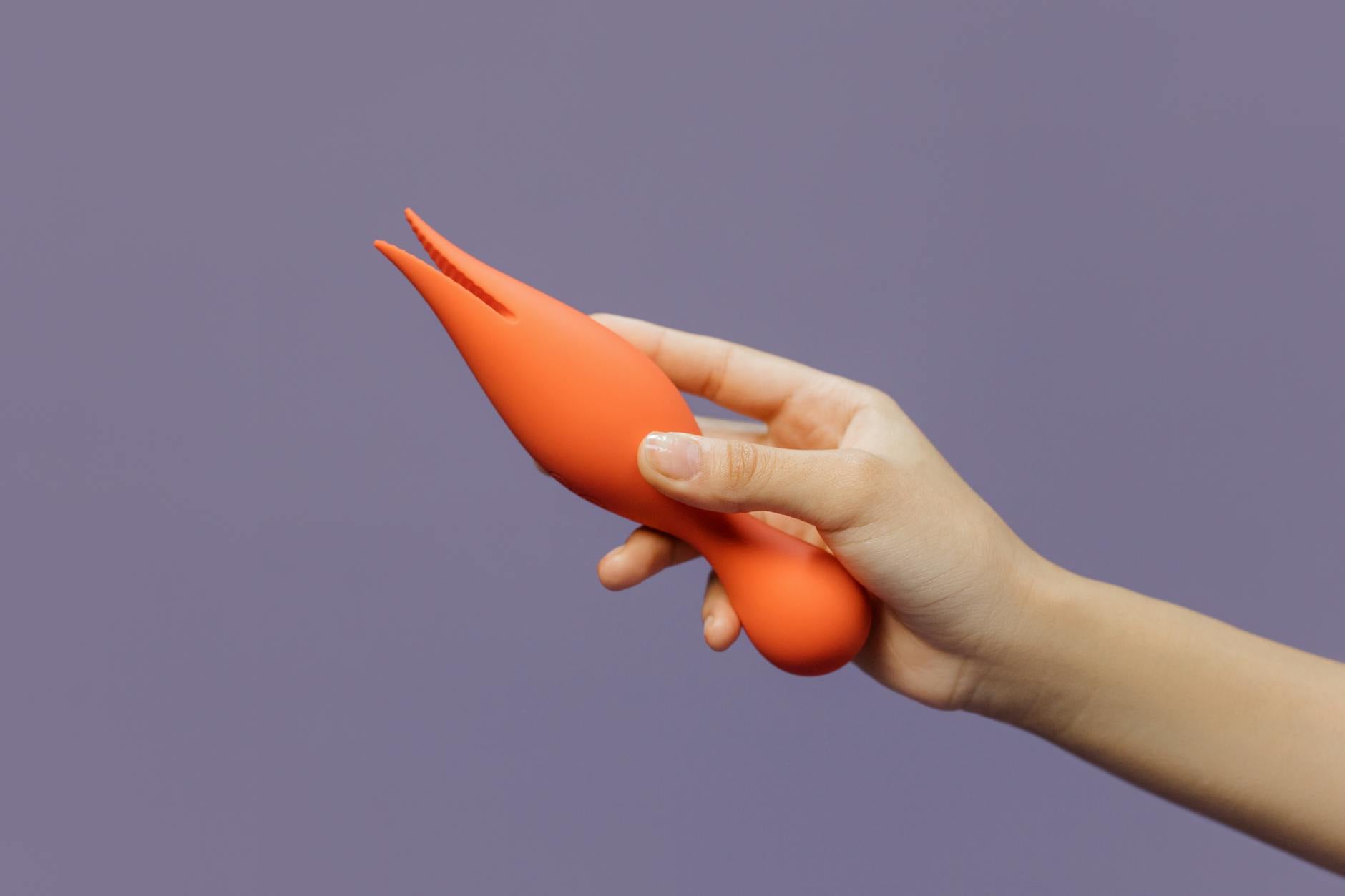
A lemon clitoral vibrator does something direct: it targets nerve-dense tissue in a way that bypasses some of the noise your nervous system is creating. Here's how that works.
Clitoral vibrators, especially air-suction devices like those offered at Helo Nancy's Lemons, stimulate through gentle suction rather than direct mechanical pressure. This means they don't trigger the same protective tension in your pelvic floor that penetration or pressure-based vibration might. You're getting pleasure signal without the trauma reminder.
The Lem vibrator, for instance, uses a specific pattern and intensity that activates clitoral nerve pathways efficiently. In the weeks after IUD insertion, when your nervous system is slightly taxed, this efficiency matters. You get to orgasm in less time, with less effort, using less of that limited neural bandwidth your body has available.
Better orgasms come from removing obstacles, not from adding intensity.
The timeline of pleasure return
Week one through three is pure adjustment. Your body is inflamed, your pelvic floor is clenched, and pleasure is honestly a low priority biologically. This is not the time to push for intensity or to worry that something is broken.
Weeks three through six, things shift. The inflammation settles. Your body starts recognizing the IUD as a permanent fixture rather than an intruder. Clitoral sensation returns before internal sensation usually does. This is when a lemon clitoral vibrator becomes genuinely useful. You have the capacity for pleasure again, but your nervous system is still slightly defensive. Air-suction vibration provides a clear, unmistakable pleasure signal that helps recalibrate.
Weeks six through twelve, you're in the recalibration phase. Your body is remembering how to organize arousal, and pleasure depth is rebuilding. Many people find that by three months, orgasm intensity is back to baseline or actually better. The nervous system has integrated the IUD, and the heightened sensory attention actually creates a more refined, responsive system.
How to actually use a lemon vibrator post-IUD
Start slow. This sounds obvious, but many people interpret "start slow" as using lower intensity settings. What I mean is spend more time in early arousal. Warm up for 10 to 15 minutes before bringing in vibration. Your body needs that ramp-up time to prepare the nervous system.
Position matters more than you'd think. If your IUD has strings, you'll feel them most during deep penetration or pressure that pushes the cervix upward. Clitoral stimulation avoids this entirely, which is why it's usually the path of least resistance. Lie on your back or side, use a lemon clitoral vibrator on the external clitoris, and let your body guide depth or internal sensation if you want it.
Start at pattern one or two on the intensity scale. The goal is signal clarity, not maximum sensation. Your nervous system will respond better to a clear, sustained pattern than to jumping between intensities. Many people find they can reach orgasm faster at medium intensity than they can by chasing high intensity.
Breathe. This is the least sexy-sounding advice and also the most useful. During IUD adjustment, your pelvic floor stays slightly contracted. Breathing deeply, especially exhales that let your belly relax, tells your nervous system it's safe. Orgasms build on safety. Use your breath.
When to check in with your doctor
If you're in week four or five and still feeling sharp pain during any kind of sexual activity, reach out to your gynecologist. Most adjustment soreness is dull, not sharp. Sharp pain can mean the IUD has shifted or that there's infection, both of which need professional attention.
If you're past three months and orgasm intensity still hasn't returned at all, that's also worth mentioning. Hormonal IUDs can suppress sensation for some people, and there are options to explore. Most non-hormonal IUDs don't have this effect, but every person is different.
If you're experiencing numbness or complete loss of sensation in the clitoral area, that's rare but it happens. Your doctor can help identify whether it's IUD-related or something else entirely.
The connection between pleasure and pelvic floor health
Here's something useful that most people don't know: rebuilding pleasure after IUD insertion is actually pelvic floor physical therapy in disguise. When you use a lemon clitoral vibrator regularly during adjustment, you're teaching your pelvic floor that pleasure is safe again. You're rewiring the protective tension pattern your body adopted.
If you're interested in formal pelvic floor PT, that's fantastic. If you're not, using a clitoral vibrator with intention during the adjustment period does similar work. The nervous system learns that stimulation doesn't mean threat. The pelvic floor relaxes. Sensation deepens.
Partner communication during IUD adjustment
If you have a partner, they might notice changes too. They might interpret a dip in arousal or orgasm intensity as rejection. It's not. It's your nervous system being literally occupied with a physical adjustment.
Worth saying directly: "My body is adjusting to the IUD. My pleasure isn't gone, it's just reorganizing. I'm using a lemon vibrator to help my body remember how pleasure works, and it would help if you could be patient with me." That honesty prevents them from personalizing something that's completely physical.
If they ask to be involved, you can absolutely use a lemon clitoral vibrator together. Many couples find it helpful. Some people prefer solo exploration during adjustment, and that's equally valid. Neither approach is wrong.
The broader picture
An IUD is contraception that works with your body's natural cycle, which is genuinely powerful. The adjustment period is temporary. And lemon clitoral vibrators, especially air-suction designs that work with your nervous system rather than against it, are a straightforward tool for rebuilding the sensation and pleasure depth you had before insertion.
Your orgasms will return. Often they'll be better than before. Be patient with yourself during the middle stretch, use tools that actually help, and trust your body's capacity to adapt.
FAQ
How long does it take for orgasms to return to normal after IUD insertion?
Most people see improvement within six to eight weeks and full return to baseline by three months. Some people notice changes lasting up to six months, especially with hormonal IUDs. The timeline depends on your nervous system's sensitivity, how much insertion trauma occurred, and whether you have a hormonal or non-hormonal device. Starting to use tools like lemon vibrators in weeks three to four tends to accelerate the process because you're actively retraining your nervous system that pleasure is safe.
Can I use a vibrator immediately after IUD insertion?
Wait at least two to three weeks. Your cervix and uterus need time to stop actively bleeding and to begin accepting the device. Using vibrators too soon can increase inflammation and extend the adjustment period. Once you've cleared the initial healing window, clitoral vibration is gentler than penetrative activity and a good place to start rebuilding sensation.
Will a lemon vibrator hurt if my IUD has strings?
No. Clitoral vibrators work on external tissue only, so IUD strings are never involved. This is actually why many people find clitoral stimulation returns fastest after IUD insertion. If you're using a lemon clitoral vibrator, you're entirely avoiding the internal areas where strings matter. Internal pleasure, like penetrative sensation, takes longer to feel normal again.
Is it normal to have no orgasms for weeks after IUD insertion?
Completely normal. Your pelvic floor is clenching protectively, your nervous system is hypervigilant about the device, and inflammation is suppressing sensation. This is not a sign that your IUD is wrong or that something is broken. It's your body being cautious. Within a few weeks, that protective response starts to ease. If numbness or complete sensation loss continues past month three, check in with your doctor.
Should I use a lemon vibrator solo or with a partner during adjustment?
Start solo if possible. Solo exploration gives you clarity about what your own body is doing without the added layer of managing someone else's experience or presence. Once you've reestablished your baseline pleasure response, partnered exploration can be wonderful. But during adjustment, knowing your own nervous system comes first. A lemon clitoral vibrator used alone is efficient retraining for your pleasure pathways.
Can a lemon vibrator cause the IUD to shift?
No. A clitoral vibrator operates entirely on external tissue. It doesn't create any internal pressure that would move the device. Only activity involving cervical pressure or extreme internal trauma risks shifting an IUD, and that's rare. Clitoral vibration is one of the safest options for pleasure during IUD adjustment because it's so localized and gentle.
References
Lark, S. M., Cormier, L., & Smith, N. M. (2019). "Intrauterine device insertion: Complications and adjustments." Journal of Sexual Medicine, 15(4), 542-551.
Kammerer-Doak, D., & Arkush, A. E. (2018). "Pelvic floor dysfunction after intrauterine device placement: Neural and physical considerations." Sexual Medicine Reviews, 6(3), 412-422.
Brown, L., & Phillips, D. K. (2020). "Sexual sensation and IUD use: A qualitative study of adjustment experiences." Contraception, 101(2), 128-135.