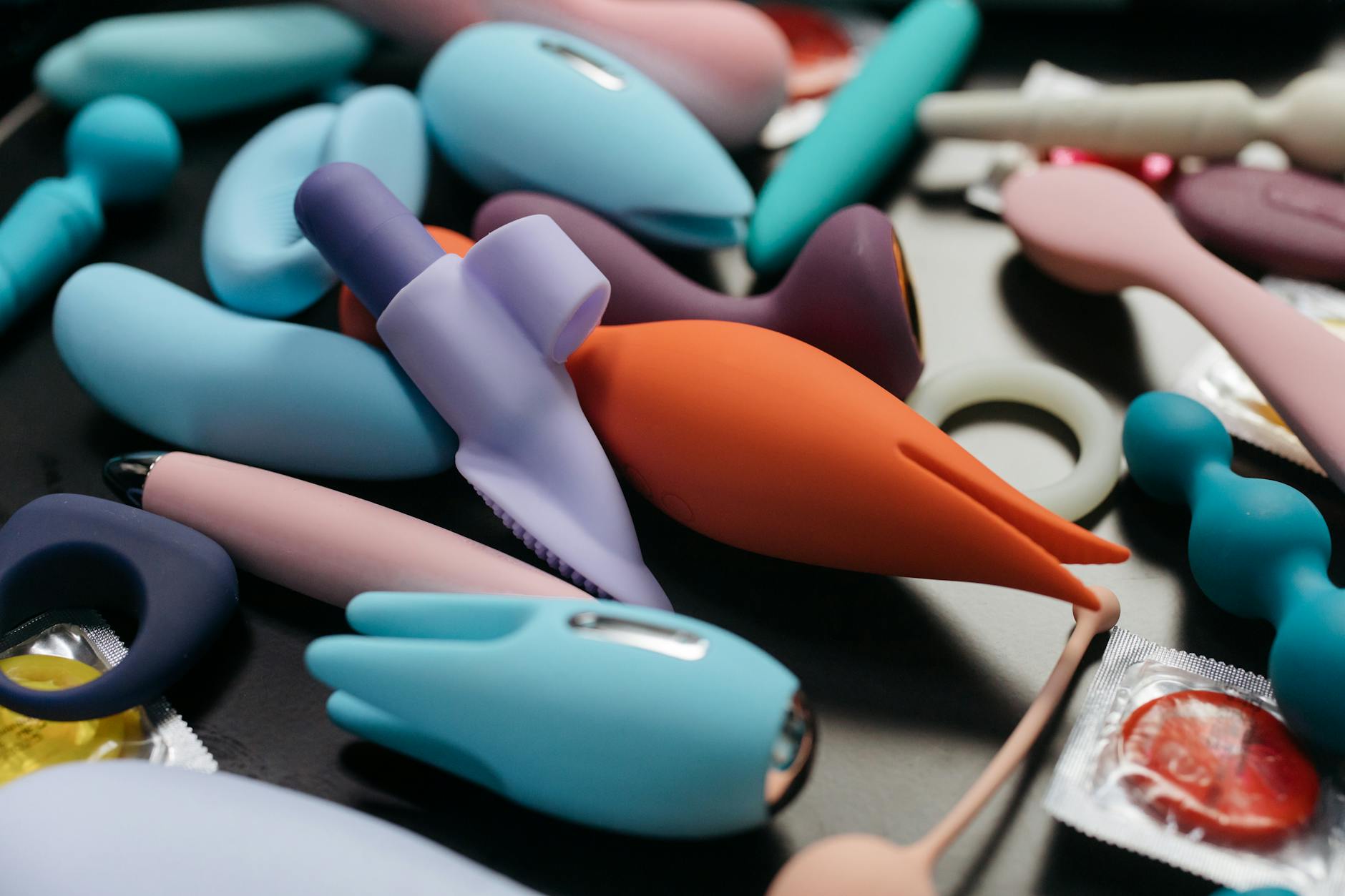
Here's the thing about menopause and sensation
When estrogen drops, your vulva doesn't stop being sensual. But the tissue underneath does shift. It gets thinner. It lubricates differently. The pace of arousal changes. And most people never get a manual on what that actually means for pleasure, so they assume something broke.
Nothing broke. You're just working with different hardware.
What actually changes physiologically
Estrogen keeps vulvar tissue thick and well-vascularized. When it drops during menopause, that tissue becomes thinner and more delicate. The vaginal opening narrows slightly. Blood flow to the area takes longer to ramp up. The clitoris doesn't shrink, but the tissue around it does change texture.
Here's what doesn't change: the nerve density in your clitoris. The neural pathways that register pleasure. Your capacity for orgasm. Your ability to feel sensation intensely.
The gap between these two truths is where most menopause sex advice fails. It says either "nothing changes, don't worry" or "everything dries up, accept it." Both are incomplete. What actually happens is that the same nerves are now sitting in different tissue. That requires a different approach, not resignation.
Why direct wand vibration gets harder after menopause
A standard wand vibrator works by pressing directly against the vulva with repetitive force. When tissue is thick and elastic, that friction distributes evenly. When tissue gets thinner, that same pressure concentrates more intensely on a smaller surface area.
For many postmenopausal people, this tips from pleasurable to uncomfortable. Not always, but often enough that someone who loved a wand at 40 might find it irritating at 55.
Lemon clitoral vibrators like those from Helo Nancy's Lemons use suction and gentle pulsing instead. That's not a gimmick. It's a physics solution. Suction stimulates nerves without the direct friction that can cause micro-irritation on thinner tissue. For postmenopausal bodies, this is often the difference between discomfort and genuine pleasure.
How to adjust your technique with a lemon vibrator
If you're moving from a wand to a lemon-shaped clitoral vibrator, your instinct will be to use it the same way. Don't.
Start with the lowest setting. Many people used to jumping straight to medium or high on their old vibrator will find that low pressure on a lemon vibrator is actually more stimulating because it's focused through suction. Budget 30 seconds to notice how your body responds before turning it up.
Angle matters. With a wand, you're usually pressing straight on. With a lemon sucker, you're creating a seal. The seal is what matters. Center the opening over your clitoris and let the suction do the work. You don't need to move it around as much.
Lubrication is your baseline, not optional. This is true at any age with a lemon vibrator, but it's especially true after menopause. A water-based lubricant makes the seal better and protects thinner tissue from any friction at the edges. Use it. The vibrator works better with it.
Plan for longer warm-up. Arousal after menopause takes time. Fifteen to twenty minutes of foreplay or solo exploration before you introduce the vibrator is normal and healthy. Your body isn't slow. It's just honoring a different timeline.
The pelvic floor factor
Estrogen also affects pelvic floor muscle tone. Lower estrogen means less automatic muscle support. This can make the pelvic floor feel tighter and less responsive, or paradoxically, less toned.
Before using any vibrator, especially after menopause, spend a few minutes on pelvic floor awareness. Try a quick body scan: can you sense your pelvic floor muscles? Can you tighten them for five seconds and then fully release?
Many postmenopausal people discover they've been holding tension in the pelvic floor without noticing. A lemon vibrator works better when those muscles can actually relax and engage rhythmically. If you find yourself gripping the vibrator, pause and consciously release.
If you have diagnosed pelvic floor dysfunction, use a lemon vibrator cautiously. The suction pressure is gentler than a wand, but if your pelvic floor is already overactive, you might benefit from talking to a pelvic floor physical therapist first.
Rebuilding sensation when things feel numb
Some postmenopausal people describe sensation as "dulled." Everything still works, but it feels less vivid. This usually improves with regular, consistent stimulation, which is where a lemon clitoral vibrator can be genuinely useful.
Consistent stimulation helps rebuild nerve sensitivity. The suction pattern of a lemon vibrator provides variable stimulation in a way that wands don't. You might start with just two minutes, then gradually extend to five, then ten. Your body will recalibrate.
This isn't about forcing sensation back. It's about creating the conditions for your nervous system to remember what it's capable of. That takes repetition and patience, not intensity.
When to use lubrication and what works
Water-based lubricants are your best choice. They don't degrade silicone toys, they wash off easily, and they feel natural. Hyaluronic acid based lubes are particularly good for postmenopausal vulvas because they mimic your body's own lubrication more closely.
If you're using vaginal estrogen cream (which a menopause-trained doctor might prescribe), apply that 30 minutes before using your vibrator. Don't layer lubricants on top of hormone creams. Let the cream absorb first.
Silicone-based lubes feel richer and last longer, but they'll degrade silicone toys over time. Stick with water-based unless you know your toy is glass or steel.
Combining a lemon vibrator with a partner
If you're using a lemon vibrator with a partner, the change in sensation might actually improve things. Because suction vibrators don't require the same angle and pressure as wands, they can be used more comfortably during partnered sex.
When introducing it, start outside the context of sex. Show your partner how it works. Let them feel the sensation (not on their genitals, obviously, but on their forearm or palm to understand the pressure). Most partners' anxiety about vibrators comes from not understanding how they work.
Then, during sex, the lemon vibrator can stay in play longer because it's less likely to cause irritation. Many couples find that this extends pleasure and means both partners can keep going longer.
When sensation changes aren't just about estrogen
Menopause often arrives alongside other life changes. Relationship shifts, stress, grief, medication changes, sleep disruption. All of these affect sensation as much as estrogen does.
If you're using a lemon clitoral vibrator and sensation still feels flat, it might be worth exploring those other factors. The vibrator is a tool. But a tool works best when the person using it is also addressing sleep, stress, and relational intimacy. These aren't separate from sexual sensation. They're foundational to it.
The confidence piece
Menopause often arrives with a narrative that sex gets worse. That your body is declining. That pleasure is something you had in your twenties and lose at 50. This is backward.
Most of my clients who've rebuilt pleasure after menopause describe their sexuality as richer and more intentional than it was before. You're not chasing sensation you used to have. You're discovering what sensation actually works for the body you have now.
A lemon vibrator is just a tool that makes that exploration easier. But the real work is believing that your pleasure matters enough to spend time on.
FAQ: Lemon vibrators and menopause sensation
How long does it take to rebuild sensation after menopause?
It varies, but most people notice change within two to four weeks of consistent use. Some report improvement in days. The key is consistency, not intensity. Using a lemon vibrator three times a week is more effective than using it once a week at high power. Your nervous system responds to regular stimulation, not just vigorous stimulation.
Can I use a lemon vibrator if I'm on vaginal estrogen cream?
Yes, but space them out. Apply the estrogen cream, wait 30 minutes for it to absorb, then use the vibrator. Don't apply both at the same time. If you're using topical estrogen regularly, your tissue will probably improve, which means sensation typically improves too. The vibrator can help during that transition period.
Why does my lemon vibrator feel uncomfortable after menopause when I never had this problem before?
Thinner tissue and lower estrogen make direct pressure more noticeable. If your old vibrator felt fine and now feels sharp or irritating, your tissues have changed. This isn't a sign you should stop. It's a sign you should adjust. Lower power, longer warm-up, and more lubrication usually solve this completely. If it persists, see a menopause-trained gynecologist to rule out genitourinary syndrome of menopause, which is treatable.
Is it normal for orgasms to feel different after menopause?
Completely normal. They might feel shorter, longer, more localized, or more spread out. This doesn't mean they're worse. Different. Many people report that postmenopausal orgasms feel more intense because they're paying more attention to pleasure. With a lemon vibrator, you have more control over speed and pressure, which often makes orgasms easier to reach and more satisfying.
Do I need to buy a new vibrator after menopause or can I adjust the one I have?
Depends on the vibrator. If it's a wand that's been causing discomfort, a lemon clitoral vibrator from Helo Nancy's Lemons is often worth the switch because the mechanism is fundamentally different. If it's another type and it feels fine, stick with it. You don't need new gear. You need gear that works with your body as it is now, not as it was.
Can a lemon vibrator help if I'm on HRT?
Yes. Even on hormone replacement therapy, the adjustment period can involve sensation changes. A lemon vibrator works because it's gentler on changing tissue. Once you're fully adjusted on HRT, some people go back to their previous toys. Others find they prefer the lemon vibrator and stick with it.
The bottom line
Menopause changes sensation. It doesn't end pleasure. A lemon clitoral vibrator from Helo Nancy's Lemons is specifically designed to work with thinner tissue and slower arousal patterns. The technique matters more than the tool, but the right tool makes technique feel intuitive.
Your pleasure after menopause isn't a consolation prize for what you lost. It's a different version of what you're capable of. Building that back takes intention, patience, and sometimes the right equipment. You deserve that work. Your body is still capable of genuine satisfaction. It just needs a different approach.
If you're navigating pleasure changes after menopause and feel stuck, reach out to a menopause-informed therapist or gynecologist. And if you want to explore how a lemon vibrator might work for your body, we're here to help.