
Let's name what's actually happening here
You've been with your partner for years. Their touch used to light you up. Now it barely registers. You're not broken, and you didn't stop loving them. You've become desensitized to their specific touch through sheer repetition and neural adaptation.
This is one of the most common midlife intimacy problems I see in my practice, and it's almost never about the relationship itself. It's about how your nervous system responds to familiar stimulation over time.
Why repeated touch stops working
Your brain is built to filter out constant, predictable input. It's called habituation. If you wear the same shirt all day, you stop feeling it against your skin. The same happens with a partner's touch when it follows the same pattern, pressure, speed, and rhythm for years.
Add in daily stress, work, parenting, or just the muscle memory of routine, and your nervous system stops paying attention to signals it has learned are safe and unchanging. Safe is good for bonding. It's terrible for arousal.
The clitoral nerves themselves don't stop working. What changes is the brain's response. You're not numb. You're adapted. There's a crucial difference because one is fixable and the other is not.
How lemon vibrators break the pattern
Clitoral vibrators like the Lem work differently than a partner's hand in one critical way. They introduce novelty through rhythm, intensity, and a type of stimulation (air-suction or pulsing pressure) that your nervous system has never habituated to because it's brand new.
When you use a lemon clitoral vibrator solo first, you're doing two things at once. You're introducing a novel sensation that wakes up dormant nerve pathways. You're also removing the presence of your partner temporarily, which lowers performance anxiety and allows your nervous system to focus on sensation instead of being "on" or responsive.
For many people, this solo phase lasts two to four weeks. That's usually enough time for the nervous system to reconnect with arousal in a fresh way.
The three-stage reset protocol
Here's what I recommend to people in your exact situation.
Stage One: Solo exploration (2-4 weeks)
Use your lemon vibrator alone, no partner present. This is not selfish. This is neurological repair. Start with the lowest setting and spend 10-15 minutes focused purely on sensation. Don't aim for orgasm. If it comes, great. If it doesn't, that's fine too.
The goal is to let your brain remember what arousal feels like when it's not trying to be responsive to someone else. Many people find that sensation returns within the first week of solo practice.
Stage Two: Solo to awareness (2-3 weeks)
Stay solo with the loom vibrator, but now start noticing what builds arousal. What patterns feel good? Do you prefer pulsing or steady stimulation? Speed 2 or speed 5? What's happening in your body right before you feel a shift?
This is information gathering. You're learning your own arousal language, which you may have never had to articulate before. Write it down if it helps. This becomes your map for stage three.
Stage Three: Partnered exploration (ongoing)
Once you feel sensation returning in solo sessions, introduce your partner. Not with the goal of penetration or traditional sex. Start by using your lemon vibrator while your partner watches, touches other parts of your body, or just exists in the room.
This reintroduces their presence slowly while the new sensation keeps your nervous system engaged. Some people then hand the vibrator to their partner. Others keep control and have their partner touch them elsewhere while they use it.
The key is that you're building a new pattern together, not trying to resurrect the old one.
Why timing and pressure matter
Desensitization often gets worse under pressure. "Let's fix this" conversations that turn into performance goals can actually slow the process because now there's stress layered on top of the numbness.
I tell couples to separate the timing discussion from the sensation discussion. "I want to rebuild pleasure" is different from "Let's do it tonight." One creates space. The other creates pressure.
Set a realistic timeline with your partner. Two to three months is reasonable for noticing real shifts. Six months for the reconnection to feel stable. If you're trying to rush it, your nervous system will feel that urgency, and arousal will shut down further.
The partner conversation that actually works
Don't say, "Your touch doesn't work anymore." Say, "My body has adapted to our routine, and I want to explore something new together to wake it up." This is true, it's not blaming, and it creates curiosity instead of defensiveness.
Many partners worry they'll be replaced by a vibrator. They won't. What happens instead is that you learn pleasure again, and that pleasure becomes a foundation for reconnection with them. People who have rebuilt sensation with a lemon vibrator and then reintroduced their partner often report that sex feels new in a way it hasn't in years.
When sensation doesn't return
If you're four to six weeks into solo practice and still feeling nothing, other factors might be at play. Medication side effects, unresolved relationship resentment, depression, or hormonal changes can all dampen sensation below what a vibrator alone can fix.
This is where talking to a therapist who specializes in sexual health and a doctor who understands medication interactions becomes important. Sometimes the physical reset needs emotional work alongside it.
The unexpected benefit
Most couples who go through this process report something surprising. Using a lemon clitoral vibrator to rebuild individual sensation actually strengthens the partnership because it requires communication, vulnerability, and shared curiosity. You're no longer assuming sex is supposed to work a certain way. You're actively figuring out what works now.
That's not a downgrade. That's an upgrade.
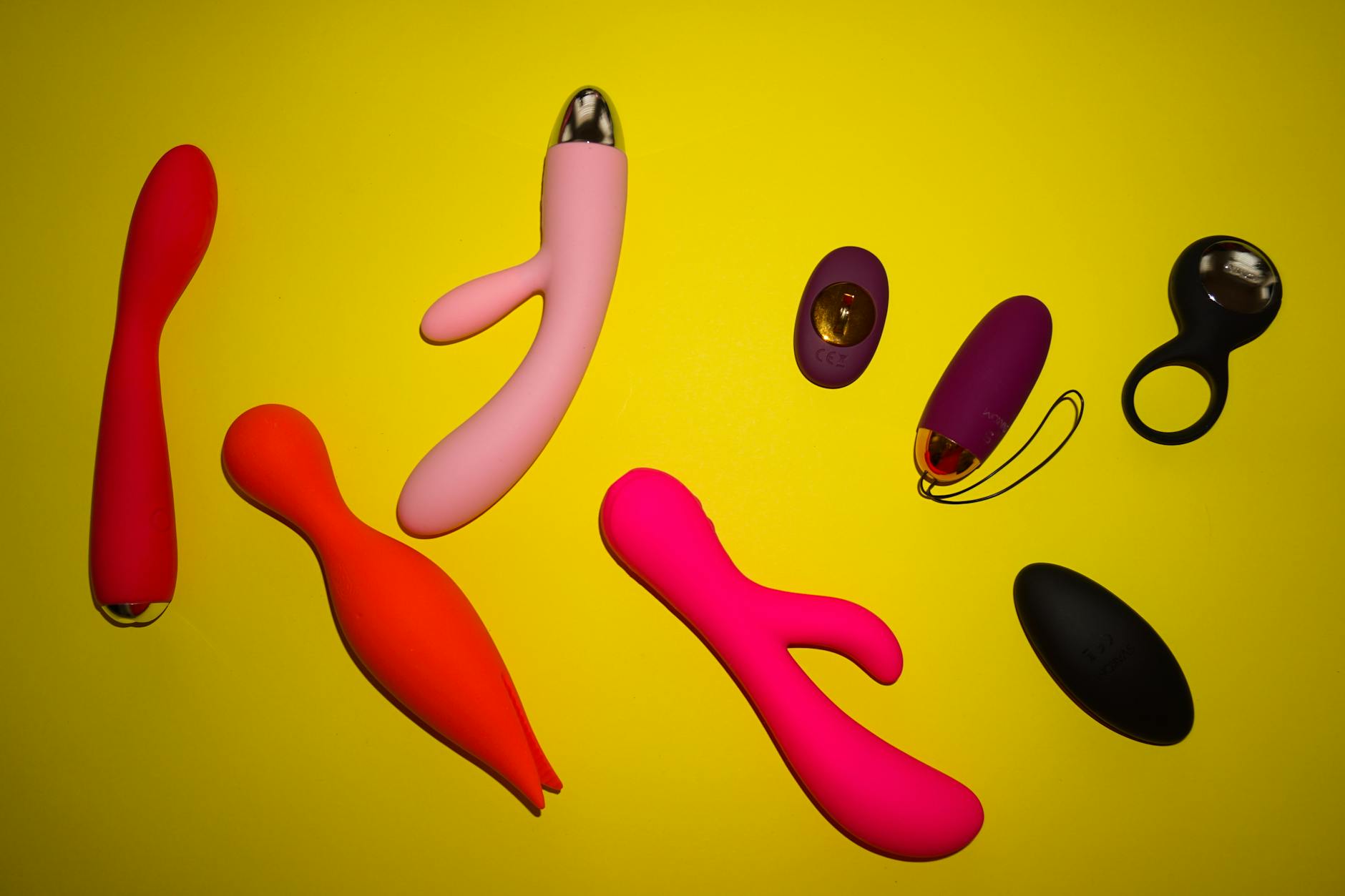
Photo by FounderTips on Pexels
Practical troubleshooting
If you start using a lemon vibrator and the sensation feels too intense, dial down the setting. Desensitization sometimes comes with nerve sensitivity, so what feels intense at first may feel perfect in a few sessions. Be patient with the adjustment.
If you feel guilt using it solo while your partner is in the house, talk about that openly. Many partners feel relieved knowing you're actively working on reconnection rather than just accepting numbness as permanent.
If you notice yourself using it as an escape from other relationship issues, that's real information too. Sometimes desensitization is actually avoidance wearing a physiological disguise. A therapist can help you sort that.
One more thing. After years of numbing, your brain may not trust that sensation will return. It may expect disappointment. When arousal starts coming back in small ways, notice it. Don't minimize it. That noticing is part of the rewiring.
FAQ: Desensitization and lemon vibrators
Can desensitization to a partner's touch be reversed?
Yes, completely. Desensitization is neurological adaptation, not nerve damage. Your nervous system learned to filter out a familiar stimulus. It can learn a new response just as easily, especially when you introduce novelty. Most people see shifts within two to four weeks of using a lemon clitoral vibrator regularly.
Should I tell my partner I'm using a vibrator to fix this?
Absolutely. Keeping it secret often backfires because your partner senses something is different but doesn't know what. Transparency actually strengthens the process because you can work on it together. Try framing it as, "I want to rebuild my arousal so our sex life feels alive again," which is true and inviting rather than blaming.
How long before sensation comes back to a partner's touch?
It varies, but most people report feeling some shift within four to six weeks of regular solo practice with a lemon vibrator. Full reconnection to a partner's touch typically takes two to three months. The timeline matters less than consistency.
What if the vibrator feels weird or uncomfortable at first?
That's normal. If you've been numb for a while, initial sensation can feel strange or even uncomfortable because you're not used to feeling much at all. Start on the lowest setting and stay there until it feels natural. Your nervous system will adjust.
Can I use a lemon vibrator if I'm on antidepressants?
Yes. Antidepressants can dull sensation, which sometimes compounds desensitization to a partner's touch. A vibrator can help bridge that gap, though you may need a higher setting to feel the same effect. Talk to your doctor about whether your medication dosage is optimized.
Is using a vibrator while in a relationship cheating?
No. A vibrator is a tool for reconnection, especially in this context. It's not a replacement. It's a way to rebuild arousal so you can bring that aliveness back to sex with your partner. Most couples who use them together report that their sex life improves, not deteriorates.
The real path forward
Desensitization after years with the same partner is not a character flaw or a sign the relationship is over. It's a common nervous system adaptation that can be addressed directly and effectively. A lemon clitoral vibrator, used intentionally and combined with honest communication, can be the tool that rewires sensation and reconnects you to pleasure in a way that strengthens, not threatens, your partnership.
Start with honesty. Move to exploration. The sensation comes back faster than you think.