
Let's talk about the trade-off nobody warns you about
You started antidepressants. Your mood stabilized. Your anxiety quieted. And then you noticed something else got quiet too: your pleasure.
This isn't weakness or a sign the medication is wrong. Selective serotonin reuptake inhibitors (SSRIs) and serotonin-norepinephrine reuptake inhibitors (SNRIs) flatten sexual response in about 40-60% of people who take them. Your clitoris still works. Your brain still responds to pleasure. But the signal between them gets... muffled. Orgasms feel distant. Sensation feels like you're touching yourself through a thick blanket.
The good news: this is fixable, and it doesn't require stopping medication that's genuinely helping your mental health.
How antidepressants actually affect sensation
SSRIs like sertraline, paroxetine, and fluoxetine work by increasing available serotonin in your brain. That's great for mood regulation. But serotonin also suppresses dopamine and norepinephrine, the neurochemicals that drive desire and pleasure.
At the genital level, this means:
- Reduced clitoral engorgement during arousal (less blood flow to the tissue)
- Delayed or muted orgasmic response (the neural cascade that triggers climax fires more slowly)
- Decreased sensation in the clitoral glans (the nerves need stronger input to register stimulation)
- Lower perceived intensity overall (your body has the capacity, but your brain is receiving a dimmed signal)
It's not that you've lost the ability to feel. It's that you need a stronger, more sustained input to reach the same threshold you used to reach faster.
Why lemon clitoral vibrators work better for this specific problem
Here's where design matters. Lemon vibrators from Helo Nancy's Lemons use suction-based stimulation rather than traditional vibration. This approach has three advantages when sensation feels numb:
1. Suction creates a broader stimulation field. Instead of a single point of vibration, suction engages the entire clitoral complex, including the internal branches of the clitoris that extend into the vulva. You're not asking for sensation to travel down a narrowed pathway. You're activating more nerve endings at once.
2. The sensation profile feels different. When you've been on antidepressants for months, your nervous system has adapted to whatever baseline stimulation you've been using. If you switched to a traditional vibrator, you might not feel much change because your body has already adjusted. Suction feels novel, which helps break through numbness.
3. Suction builds intensity gradually. Most lemon clitoral vibrators offer 5-10 intensity levels. You're not choosing between "off" and "borderline overstimulating." You can spend 20 minutes at levels 2-4, letting your body slowly wake up, rather than jumping straight to high intensity and feeling nothing.
The practical protocol for restoring sensation
If clitoral numbness is your main issue, this is how I recommend clients approach it.
Step one: time and privacy. Set aside 30-45 minutes when you won't be interrupted. This isn't rushed. You're essentially retraining your nervous system to recognize pleasure signals, which takes longer than pre-medication sessions did. That's fine.
Step two: start low and stay low. Use your lemon vibrator at intensity 1-2 for the first 5-10 minutes. You might feel almost nothing. That's expected and normal. You're not trying to climax yet. You're helping your nervous system recognize the input.
Step three: add water-based lubricant. Antidepressants can also affect natural lubrication, even when sensation improves. Using a good water-based lube reduces friction and lets the suction work more effectively against the tissue.
Step four: focus on rhythm over intensity. Instead of cranking up the vibrator, try keeping it at a moderate level (3-5) and moving it slowly around the clitoral area. The variation in pressure and location often triggers sensation faster than holding the device still.
Step five: extend your timeline. Climaxing might take 30-40 minutes instead of 10. Honestly? That's often better. Longer sessions help your brain rebuild the pleasure pathway that antidepressants muted.
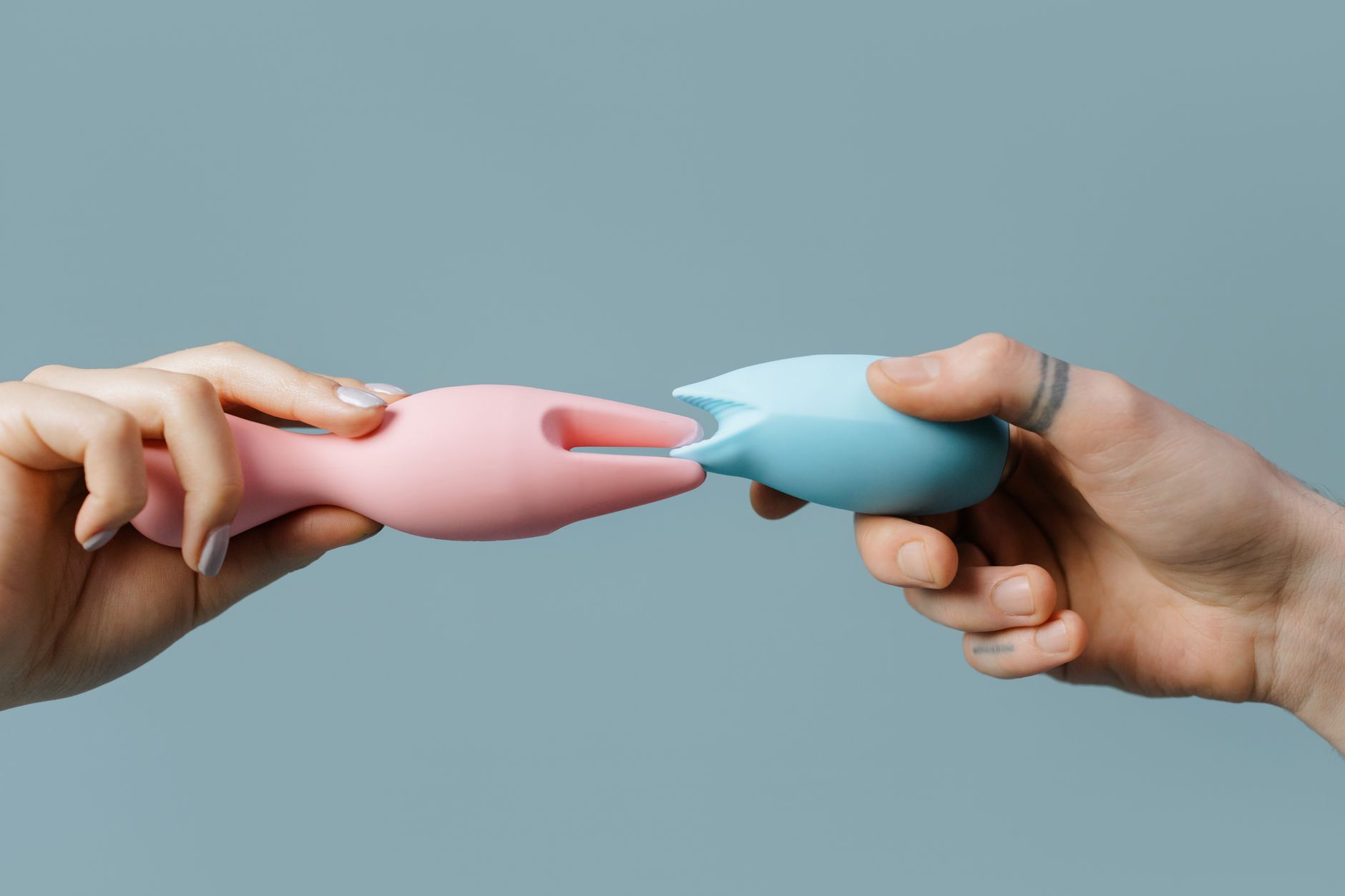
Photo by cottonbro studio on Pexels
When to talk to your prescriber
Some people find that adjusting timing helps. If you take your SSRI in the evening, some individuals report slightly better sensation if they switch to morning dosing (this varies wildly, and timing doesn't work for everyone). Your prescriber can discuss that.
If numbness is severe or hasn't improved after 3-4 months of using a clitoral vibrator consistently, medication adjustment might be worth exploring. Options include switching to a different class of antidepressant (bupropion, for example, has fewer sexual side effects), adding a medication that counteracts sexual numbness, or adjusting your dose. None of these require stopping your current medication abruptly.
Also worth mentioning: if clitoral numbness appeared suddenly or got dramatically worse after a dose increase, flag that with your doctor. It could indicate an interaction or something unrelated to the medication.
The emotional piece (which is half the battle)
Medication-related numbness can feel like you're broken or like your body betrayed you right when your mind needed help. That's a real emotional hit, and it matters.
Honestly? Your body isn't broken. Your nervous system is working exactly as intended given the pharmacology. You got the stability you needed. Now you're in the reasonable next phase: recalibrating pleasure.
If you have a partner, they probably want to understand what's happening too. This isn't about them. It's about your brain chemistry. Saying "My medication dampens sensation, so I'm going to use a clitoral vibrator and it might take longer" removes the blame from both of you and puts it where it belongs: on the medication's known side effect profile.
Many people find that pleasure actually deepens once they work through numbness deliberately. You learn what your body actually needs. You slow down. You stop chasing climax and start noticing sensation. Some of my clients report that their best orgasms came after they stopped fighting the slower rebuild and just let it happen.
People also ask
Can I use a lemon vibrator if I'm still adjusting to my antidepressant dose?
Yes, absolutely. In fact, many people find that using a clitoral vibrator during the adjustment phase (typically 4-6 weeks) helps normalize their sexual response as their body adapts. Start at very low intensity and go slowly. Your sensation will likely improve as your body finds equilibrium with the medication.
Do I need to stop my antidepressant to feel pleasure again?
No. Stopping an SSRI or SNRI abruptly or due to sexual side effects is generally not recommended without talking to your doctor first. Withdrawal can be uncomfortable, and your mental health might destabilize. The solution is almost always working with your prescriber to find a medication or dose that balances mental health with sexual function, not abandoning treatment.
How long does it take for a clitoral vibrator to help with medication-related numbness?
This varies. Some people notice improvement within 2-3 weeks of consistent use. Others need 6-8 weeks. Your nervous system is literally relearning a pathway, so patience matters. Many people benefit from using a lemon vibrator several times per week during the adjustment phase.
Will a stronger vibrator help if I feel numb from medication?
Not necessarily. A stronger vibrator might feel like nothing, which is discouraging. A suction-based clitoral vibrator with adjustable intensity levels (like those from Helo Nancy's Lemons) is usually more effective because you can start at low intensity and gradually build, letting your nervous system wake up without overwhelming it.
What if I've been on antidepressants for years and numbness is just permanent?
It's rarely permanent. Sensation can return even after long-term medication use once you have the right tool and approach. Some people find that using a clitoral vibrator regularly can actually improve sensation even if medication side effects had plateaued. Your nervous system can relearn responsiveness at any point.
Can I combine my antidepressant with other approaches to restore sensation?
Yes. Kegel exercises, pelvic floor relaxation work, longer foreplay, reducing stress, and improving sleep all support sexual function. Using a lemon clitoral vibrator is one tool. Combining it with these other approaches often works better than any single strategy alone.
The bottom line
Antidepressants saved your mental health. They deserve credit for that. The sexual numbness they caused also deserves acknowledgment. It's real, it's frustrating, and it's fixable.
A lemon clitoral vibrator from Helo Nancy's Lemons, combined with patience and the right technique, helps your nervous system rebuild pleasure pathways that medication muted. You're not looking for your old sensation to magically return. You're looking for a new kind of responsiveness to develop, one that works with your current brain chemistry.
That takes time. But the pleasure on the other side is genuinely worth rebuilding for.
If you have questions about how to approach this or want to explore other options, we're here. Reach out at /contact and let's talk about what might work best for your body and your mental health.