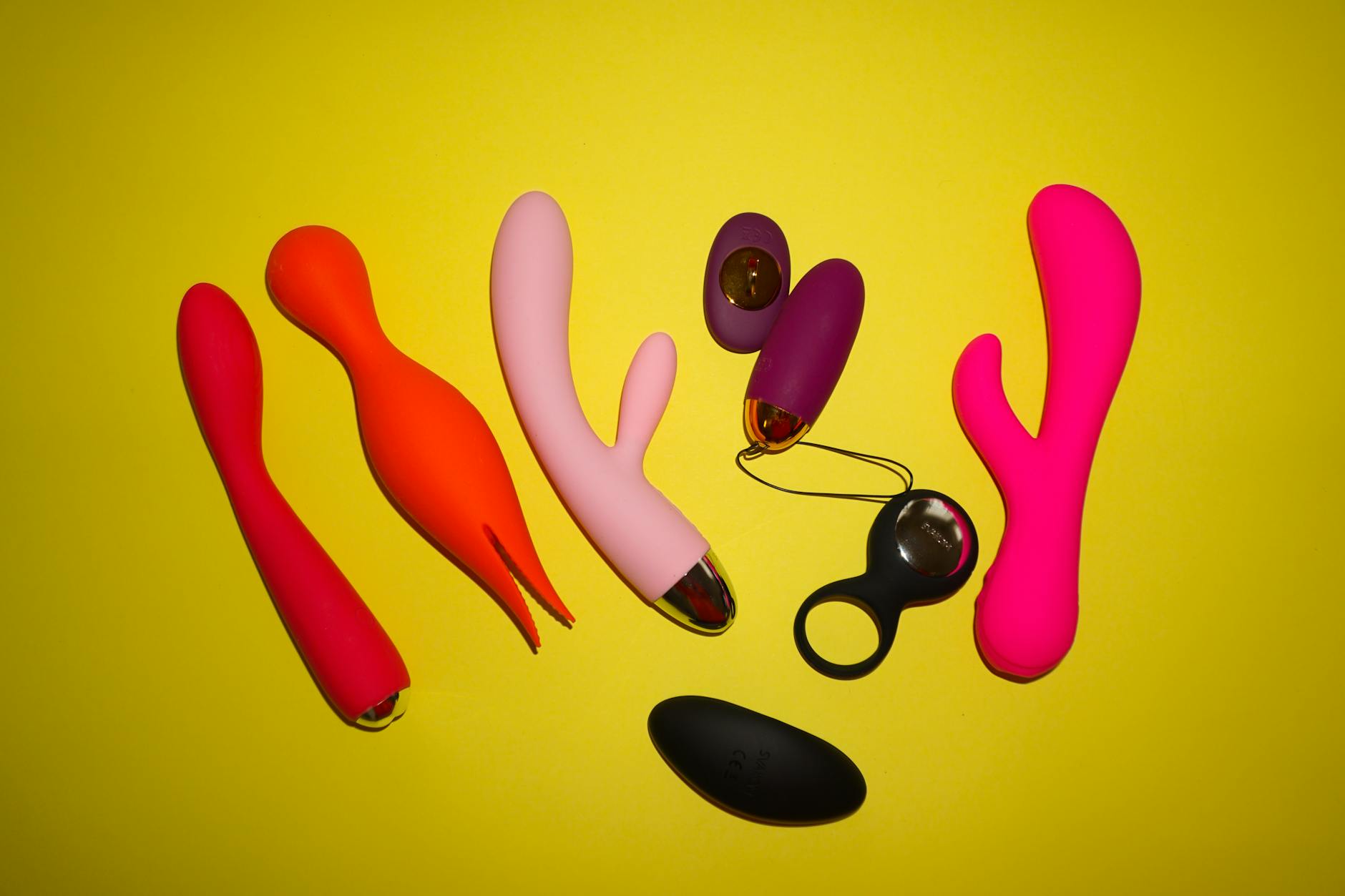
The weirdest thing about clitoral sensation: it's not supposed to be constant
You touch yourself one day and everything fires perfectly. Three days later, the same touch feels numb or oversensitive or just... off. You haven't changed anything. Your body has.
Clitoral sensation fluctuates wildly for reasons that have nothing to do with broken wiring or performance anxiety. Hormonal shifts, stress, hydration, how recently you've had an orgasm, blood flow patterns, even what you ate that morning all change how your clitoris registers touch. This unpredictability drives people absolutely bananas because it feels random and uncontrollable.
It's not. Here's why it happens and how to work with it instead of fighting it.
Why clitoral sensation peaks and dips unpredictably
Your clitoris isn't a simple on-off switch. It's a complex network of nerves with thousands of nerve endings, and sensitivity depends on several moving variables you can actually track.
Hormonal cycling. Even if you're not menstruating, your body is still producing hormones. Estrogen affects tissue thickness and blood flow to the clitoris. Higher estrogen typically means more sensitive tissue and faster arousal. Lower estrogen means the clitoris can feel almost numb by comparison. If you're on a hormonal contraceptive, you might have more predictable fluctuation. If you're not, the shifts can feel more chaotic.
Blood flow and hydration. When you're dehydrated, blood volume drops slightly. Less blood in your system means less blood reaching genital tissue. That directly impacts sensitivity. Same with caffeine, alcohol, or stimulants that constrict blood vessels. A day when you've been drinking tons of water and moving your body plays wildly differently than a stressed, sedentary day.
Pelvic floor tension. If your pelvic floor is clenched (from stress, sitting for hours, or just habit), it restricts blood flow and nerve signaling to your genitals. You can literally feel numb without anything being wrong. A tight pelvic floor also means sensation gets muffled, like touching yourself through a thick glove.
Arousal lag. This is huge and almost nobody talks about it. Your clitoris needs time to become fully erect and engorged with blood. If you jump straight to intense stimulation before you're actually aroused, it will feel wrong every time. Your clitoris physically isn't ready yet, so it registers as numb or painful.
Refractory sensitivity. If you've just had an orgasm, your clitoris becomes extremely sensitive to the point of overstimulation. Many people need 10-30 minutes of minimal touch before they can handle direct stimulation again. Some people need much longer. This varies wildly from day to day.
What unpredictable sensation actually means
Before you assume something's broken, understand what you're actually measuring. "Unpredictable" can mean three different things, and each one requires a different approach.
Type 1: Sometimes it feels numb. You're applying the same stimulation as always, but it's not registering. This usually means insufficient arousal time, dehydration, pelvic floor tension, or low estrogen. Not an emergency. Fixable.
Type 2: Sometimes it feels oversensitive. The same touch that felt great last week now feels sharp or raw. This usually happens after recent orgasms, when you're on a particular phase of your cycle, or when you're stressed. Your nervous system is in high alert and your clitoris is getting flooded with sensation it can't process.
Type 3: Sensation peaks suddenly without building. You go from zero arousal to extreme sensation in seconds, or you experience waves of sensitivity that come and go without you changing anything. This usually indicates hormonal fluctuation, caffeine/stimulant use, or blood sugar spikes.
Each type responds differently to lemon vibrators and different settings.
How lemon vibrators actually handle variable sensitivity
The suction-based design of lemon clitoral vibrators from Helo Nancy's Lemons works differently than traditional vibrators, and that matters a lot when sensation is unpredictable.
With a standard vibrator, you're applying direct mechanical pressure and friction. If your clitoris is oversensitive, that friction intensifies the raw feeling. If it's numb, you need to keep increasing pressure to feel anything, which eventually just hurts. You're always chasing the right intensity.
With a clitoral suction vibrator like the Lem, you're creating a gentle vacuum that stimulates the clitoral network without direct friction. The sensation is more diffuse and less sharp. This matters hugely when sensitivity is unpredictable because the suction adapts better to both ends of the spectrum.
When you're numb, suction wakes up dormant nerve endings without brutal pressure. When you're oversensitive, the suction feels like a deeper, gentler stimulation rather than sharp friction.
You also get variable control. Starting at pattern 1 or 2 on the Lem takes the guessing game out of things. You're not trying to calculate whether you can handle full-strength friction. You start low and work up based on what you're actually feeling that day. Some days pattern 3 is perfect. Other days you stay at pattern 2 the whole time. The device adjusts to your body, not the other way around.
The protocol: how to actually use lemon vibrators with unpredictable sensation
Ditch the idea that you need to feel the same every time. You don't. Here's what actually works.
Start with ten minutes of zero stimulation. Not edging. Not foreplay. Just being in your body without pressure to feel anything. Take a bath, breathe, move gently, touch non-genital skin. Let your nervous system settle. This sounds like nothing but it's the biggest predictor of good sensation.
Check your water and food. Drink a full glass of water 20-30 minutes before. Eat something with salt and carbs 1-2 hours before. This actually matters for blood volume and stability.
Begin with the lowest setting, no time limit. Turn on the Lem at pattern 1 or 2. Spend as long as you need there. Some days that's five minutes. Some days it's 20. There's no "supposed to" amount of time.
Track what actually changes sensitivity. Keep a simple log for two weeks. Note the day, what pattern you used, how arousal felt, and what you changed (hydration, exercise, cycle day, what you ate, stress level). You'll start seeing your personal pattern. One woman might notice that on high-stress days she needs an extra five minutes of warm-up. Another might realize that post-ovulation she can't use intensity above pattern 3. That information is gold.
Use multiple sessions instead of one long one. If you're sensitive and it's not working, stop at 10 minutes, wait an hour, and try again. Sometimes two 15-minute sessions feel way better than one intense 30-minute session. Your clitoris isn't rejecting you. It just needs breaks.
Pair the vibrator with pelvic floor release. Before you use any toy, spend 2-3 minutes consciously relaxing your pelvic floor. Breathe in for four counts, exhale for six. On the exhale, imagine your pelvic floor softening and dropping. You can also try gentle internal massage with clean fingers. Tense pelvic floor makes everything numb.
When unpredictability signals something else
Variable sensation is normal. Painful sensation every time, or complete numbness that doesn't shift with any of the above changes, deserves attention.
Pain during stimulation can signal genitourinary syndrome of menopause (GSM) if you're approaching or past menopause, or it can indicate vulvodynia or another condition that deserves proper diagnosis. That's a conversation with a menopause-informed GP or pelvic health specialist, not something to push through.
Complete numbness despite trying different settings and protocols might indicate peripheral nerve damage, hormonal imbalance, or a medication side effect. Again, that's specialist-level, not something a toy can fix.
But 95% of the time, unpredictable sensation that varies from day to day is just your body being a normal, complex system. It's not a defect you need to overcome. It's information you need to listen to.
How to talk to a partner when sensation feels unpredictable
If you're with a partner, this conversation is worth having. "My body feels different today and I need to warm up longer" is very different from "I'm not attracted to you anymore" or "something's wrong."
When your partner prefers slower intimacy anyway, you're already aligned. But even if they're the quickie type, most partners are relieved to know what's actually going on instead of guessing why you seem disconnected.
The script is simple: "I've noticed my body responds differently on different days. None of it's about you. I just need more warm-up time or a different kind of touch some days. Here's what actually helps me feel good."
Lemon clitoral vibrators are great because they give you autonomy over intensity and speed. You're not dependent on a partner guessing your arousal level. You control the rhythm.
The actual ending
Clitoral sensation that peaks and dips without warning isn't a bug. It's what normal, healthy sensation looks like. Every day your body is slightly different. Your hydration is different. Your stress is different. Your hormones are different. Of course the sensation is different.
Tools like the Lem from Helo Nancy's Lemons work because they give you options. You're not locked into one speed or pressure. You can adjust based on what you're actually feeling, not what you think you're supposed to feel.
Unpredictable pleasure is still pleasure. You're not broken. You're just listening to your body instead of ignoring it.
People also ask
Why does my clitoral sensitivity change throughout the day?
Blood flow and arousal readiness shift constantly based on hydration, stress, what you've eaten, your sleep quality, and hormonal cycling. Your clitoris requires adequate blood volume and nervous system relaxation to register stimulation fully. A morning when you're dehydrated and stressed plays differently than an evening when you've drunk water and moved your body. This is normal variation, not dysfunction.
Can lemon vibrators help if I'm mostly numb?
Yes, but they work best as part of a protocol, not a standalone fix. The suction design of clitoral suction vibrators reaches nerve endings that direct pressure doesn't. Start at the lowest setting and spend time in genuine arousal before increasing intensity. If numbness persists despite proper warm-up, hydration, and pelvic floor relaxation, that's a sign to see a pelvic health specialist to rule out other causes.
What's the difference between oversensitivity and normal sensation?
Normal sensation feels pleasurable even if it's intense. Oversensitivity feels sharp, raw, or painful. If stimulation makes you want to stop or pull away because it hurts, that's oversensitivity. The solution is lower intensity and longer warm-up time, not more pressure. With lemon vibrators, use patterns 1-2 and give yourself longer at lower settings.
How long should warm-up actually take?
There's no universal answer. Some people need 5 minutes. Others need 25. Track what you actually need on different days. If you're feeling numb or unmotivated, budget longer. If you're already aroused and just using the vibrator to extend that, you might not need much warm-up at all. Listen to your body instead of the clock.
Does clitoral sensitivity get worse with age?
Sensitivity changes with age, but "worse" depends on context. Peri-menopause and menopause can make sensation feel different due to lower estrogen, and that's treatable. Most people in their 40s, 50s, and beyond report deeper, more focused pleasure once they stop worrying about performance. The sensitivity itself often improves with attention and the right tools. Using lemon vibrators designed for variable sensation helps navigate those shifts.
Is unpredictable sensation a sign of low desire?
Not necessarily. Low desire is different from variable sensation. You can have strong desire with variable sensation, or low desire with consistent sensation. Unpredictable clitoral response is usually physiological (hormones, blood flow, pelvic floor tension) while low desire is usually contextual (stress, relationship issues, depression) or hormonal (low testosterone). Track them separately. Variable sensation is information. Low desire needs attention too, but it's a different conversation.
Sources and references
- Komisaruk, B. R., Beyer-Flores, C., & Whipple, B. (2006). "The Science of Orgasm." Johns Hopkins University Press. Overview of clitoral neural anatomy and variable arousal responses.
- Puppo, V. (2013). "Embryology and anatomy of the human clitoris." Journal of Sexual Medicine, 10(12), 2884-2891. Detailed review of clitoral structure and nerve distribution.
- Burri, A., & Spector, T. (2011). "Recent and lifelong sexual dysfunction in a female UK population sample." Journal of Sexual Medicine, 8(9), 2420-2430. Epidemiological data on variable sexual response.
- Goldstein, I., Kim, N. N., Munarriz, R., & Traish, A. M. (2009). "Vasculogenic female sexual dysfunction." Vascular Medicine Review, 14(2), 46-60. Blood flow's role in genital sensation.