When touch starts to hurt
Let's start here: clitoral pain during stimulation is not a signal to stop exploring pleasure. It's information. Your body is telling you something has shifted, either physically or neurologically, and that shift is absolutely workable.
I've worked with hundreds of couples navigating this exact friction point. Most assumed it meant something was fundamentally broken. None of them were right about that.
Why clitoral stimulation suddenly hurts
Clitoral pain during or after touch can come from at least seven distinct sources, and knowing which one is happening to you changes everything about how you respond.
Nerve sensitivity spikes. The clitoris has roughly 8,000 nerve endings, and they don't all fire at the same threshold. Sometimes irritation to surrounding tissue, hormonal shifts, or even extended periods without stimulation can make these nerves hyperresponsive. Light touch becomes intensity. Vibration becomes sharp.
Vulvodynia and clitorodynia. These are chronic pain conditions affecting the vulva or clitoris specifically. They're not infections, not STIs, not psychological. They're neuropathic. A gynecologist trained in vulvovaginal pain can diagnose and treat these effectively with topical treatments, physical therapy, or oral medications.
Inflammation from friction or pressure. If you've been using a toy that doesn't match your current anatomy, or if you've increased session length or intensity without adequate lubrication, tissue swelling follows. The swelling makes direct pressure feel sharp instead of pleasurable.
Provoked vestibulodynia. This specific pain happens only during contact, often concentrated around the vestibular tissue near the clitoral hood. It can develop after an infection, period of intense friction, or sometimes with no obvious trigger at all.
Hormonal thinning. Estrogen drops don't just affect vaginal tissue. Clitoral skin also thins, becomes drier, and has less protective fat padding underneath. Direct pressure that once felt fine now presses straight onto nerve tissue.
Thrush or other infections. Candida and bacterial imbalances make clitoral tissue swell and tender. The pain usually accompanies other symptoms (discharge, itching), but sometimes hypersensitivity is the loudest signal.
Psychological guarding. After painful experiences (surgery, trauma, prolonged physical discomfort), the nervous system can develop a protective response. Your brain literally tells the area to hurt as a defense. This is real pain, not imaginary, and it requires a different approach than tissue damage.
What actually helps: the practical start
Before you assume you need medical intervention, three immediate changes often shift the experience completely.
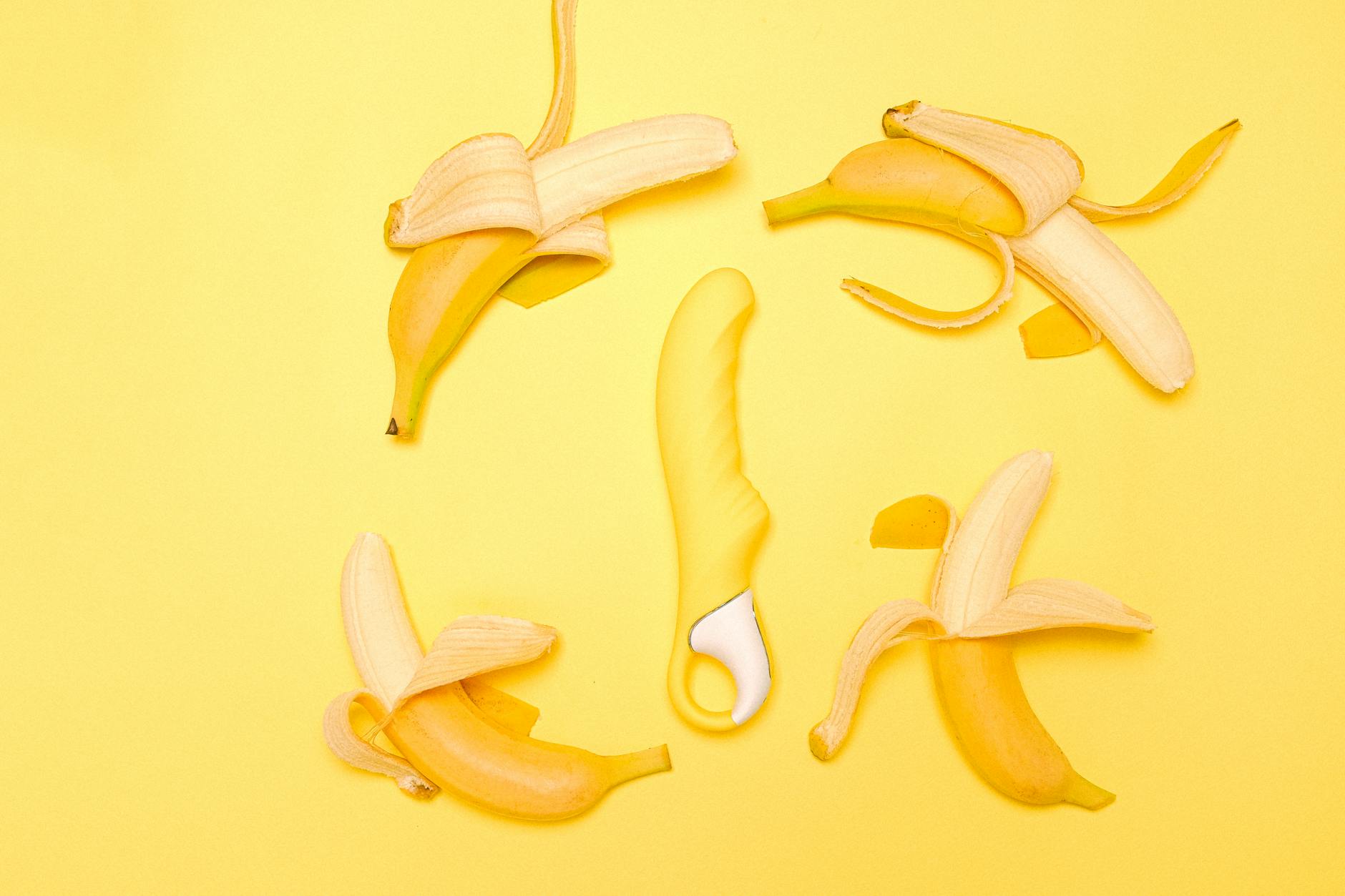
1. Switch to indirect stimulation. This is where lemon clitoral vibrators and similar devices matter. Air-suction toys like the Lem work by stimulation around the clitoris rather than directly on the sensitive nerve bundle. The suction creates a gentler pressure gradient that builds arousal without the sharp point-contact that triggers pain. Start on the lowest setting and spend time with indirect stimulation before any direct touch.
2. Use generous lubrication. This sounds basic, but most people vastly underestimate how much they need when sensation is compromised. Water-based lubricant doesn't just reduce friction. It changes the entire mechanical relationship between toy and tissue. Where dry friction creates catch and drag, lubrication creates glide. Try doubling whatever amount you think is enough, then add more. Reapply every few minutes.
3. Extend your warm-up dramatically. Pain during stimulation often happens because tissue hasn't had time to become fully engorged and responsive. Blood flow takes time. Arousal takes time. Start with 15 to 20 minutes of non-genital touch. Spend five to ten minutes on outer labia and thigh touch before moving toward the clitoris. Let sensation build rather than jump-starting it. Your nervous system will relax incrementally, and pain signals often quiet as tissues become less defensive.
How to use lemon vibrators safely when pain is present
The design of toys matters more when sensation is compromised. Lemon clitoral vibrators are specifically engineered to reduce point-contact pressure while delivering consistent stimulation.
Start with the absolute lowest vibration setting. Not "low." The lowest. Many people skip this step because they assume the sensation won't be enough to register. They're usually wrong. When clitoral tissue is sensitive, even gentle vibration travels across a wide nerve field. Intensity is not the limiting factor. Consistency is.
Position matters too. Experiment with angles and placements rather than assuming you know the right spot. Clitoral anatomy varies widely. What worked for you a year ago might not work now. The clitoris can be found more toward the top of the vulva in some people, more central in others. Some people respond better to stimulation slightly off-center. Treat this as exploration, not troubleshooting.
Keep sessions short initially. Fifteen minutes of focused sensation is plenty. Longer sessions often increase inflammation and pain for the next few days, which creates a cycle where you get more guarded about future touch. Short, consistent, low-intensity sessions actually rebuild responsiveness faster than longer, harder attempts.
When to loop in a specialist
If pain persists despite these adjustments after three to four weeks, or if pain is sharp rather than uncomfortable, see a pelvic floor physical therapist or a gynecologist trained in vulvovaginal pain syndromes. Not just any OB/GYN. Someone who specializes in this specifically. The difference is substantial.
They can assess whether you're dealing with muscular tension, neuropathic pain, inflammation, or psychological guarding. Each has a different treatment path. Pelvic floor physical therapy addresses muscular components. Topical estrogen helps with thinning tissue. Topical anesthetics can be useful short-term (not long-term, because they prevent feedback). Medications like amitriptyline or pregabalin help with neuropathic pain.
You might also ask about the clitoral hood. Sometimes excessive tension in the hood itself restricts clitoral mobility and creates discomfort. A pelvic floor therapist can show you how to gently release this tension manually.
The emotional piece you're probably not talking about
Here's what often happens. Clitoral pain shows up. You start avoiding touch because it hurts. Avoidance creates anxiety about the pain returning. Anxiety tightens the pelvic floor more. Pain increases. The cycle gets faster.
Breaking this usually requires two simultaneous efforts. The first is physical. The second is relational with your own body. This means deliberately building positive associations with gentle touch, even when you're not going for pleasure or orgasm. It means learning the difference between a pain signal and an intensity signal. It means tolerating some mild discomfort while trusting that your nervous system is recalibrating, not re-injuring.
If you have a partner, their role matters too. They need to understand that this isn't about their performance or attractiveness. It's about your body's current reality. Partners sometimes take clitoral pain personally, assuming they're doing something wrong. Clear communication helps. Let them know what you're exploring, what feels manageable, and what doesn't. This often brings couples closer because they're solving something together rather than working around it.
The long view
Clitoral pain is treatable in most cases. It's frustratingly common, under-discussed, and usually fixable with patience, the right tools, and sometimes professional support. Lemon clitoral vibrators can be part of that solution because they're designed to provide stimulation without the aggressive point-contact that aggravates sensitive tissue.
Start low. Go slow. Be consistent. Get help if you need it. Your pleasure matters, and it's worth the effort to reclaim.
People also ask
Why does my clitoris hurt when I use vibrators?
Clitoral pain during vibration usually comes from hypersensitivity (overactive nerve response), inflammation from friction, hormonal thinning, or rarely, an underlying condition like vulvodynia. The most common culprit is intensity level. Most people use vibrators on settings that are too intense for their current tissue sensitivity. Try switching to the lowest setting on your lemon vibrator and spending 15 to 20 minutes on indirect stimulation (using suction or positioning around rather than directly on the clitoris). Pain often resolves within a few sessions once you match intensity to your nervous system's current state.
Can I use a lemon clitoral vibrator if clitoral touch is painful?
Yes, often better than manual touch. Lemon clitoral vibrators use suction or broad-contact stimulation rather than point pressure, which means less direct friction on sensitive tissue. Start with the lowest vibration setting and position the toy around the clitoris rather than directly on it. Many people find that suction-based stimulation feels less aggressive than traditional vibration, which makes it a good entry point when sensation is compromised. Pair it with generous lubrication and slow warm-up time.
Is clitoral pain during stimulation a sign something is medically wrong?
Not necessarily. Clitoral pain can stem from simple things like intensity mismatches, dehydration, hormonal shifts, or pelvic floor tension that builds up from stress or posture. It's also a symptom of conditions like vulvodynia or provoked vestibulodynia, which are real and treatable but not dangerous. If pain is sharp, constant, or comes with other symptoms (discharge, burning, swelling), see a gynecologist trained in vulvovaginal pain. If pain only happens during stimulation and changes based on intensity or position, it's often a matter of recalibrating your approach.
How much lubrication should I use when clitoral stimulation hurts?
More than you think. When tissue is sensitive, lubrication does two jobs. It reduces friction mechanically, and it acts as a buffer that changes how vibration transfers to nerve tissue. Start with a quarter-sized amount and add more every few minutes. Many people find that increasing lubrication alone eliminates clitoral discomfort. Use water-based lubricant with silicone toys like the Lem. Avoid oil-based products if you're concerned about pH balance or infections.
Can pelvic floor tension cause clitoral pain?
Absolutely. Chronic pelvic floor tension (often from stress, sitting posture, or anxiety about pain itself) restricts blood flow to the clitoris and increases nerve sensitivity. This creates a catch-22 where tension causes pain, fear of pain increases tension, and pain increases. Pelvic floor physical therapy addresses this by teaching you how to relax and release the muscles. Gentle heat, breathwork, and consistent low-intensity stimulation can also help retrain your nervous system. If you suspect tension is driving your pain, ask your doctor for a referral to a pelvic floor therapist.
Will my clitoral sensitivity return to normal?
In most cases, yes. Sensitivity often normalizes once you identify and address the underlying cause. Whether that's inflammation resolving, lubrication strategy improving, pelvic floor tension releasing, or hormone levels stabilizing, your body typically rebounds. The key is consistency over intensity. Using a lemon clitoral vibrator on low settings regularly (three to four times weekly) often restores normal responsiveness faster than occasional intense sessions. If sensitivity doesn't improve after four to six weeks of adjusted approach, that's when to seek professional evaluation.
What to read next
If clitoral pain is linked to pelvic floor tension, how to use lemon vibrators when pelvic floor dysfunction recovery takes time walks through exercises that rebuild both strength and sensation. For pain triggered by hormonal shifts, how to use lemon vibrators when lubrication decreases with age covers the bigger picture of tissue changes and practical adaptations. And if you're exploring different stimulation patterns entirely, best lemon vibrators for first-time users nervous about intensity breaks down how to match toy design to your actual needs rather than assumptions about what pleasure should feel like.