Here's what nobody tells you about desire during major life changes
You moved cities. Got promoted. Lost a job. Your kids started school. Someone you love got diagnosed. Your relationship shifted. And suddenly, the thought of pleasure feels impossibly distant. Not just physically distant. Mentally unreachable.
That's not broken. That's survival mode. Your nervous system is doing exactly what it's supposed to do when the ground beneath you shifts. Desire is a luxury your brain no longer thinks you can afford.
But here's the thing. Waiting for your life to fully stabilize before you touch pleasure again? That can stretch into years. And in the meantime, that disconnection gets deeper, the shame piles up, and if you're with a partner, the gap between you widens.
The neuroscience of desire during upheaval
When you're in a major life transition, your nervous system is in overdrive. Cortisol and adrenaline are running the show. Meanwhile, the hormones and neurotransmitters that fuel desire. Dopamine, oxytocin, testosterone. They're on the back burner.
Your brain genuinely cannot prioritize pleasure when it's running a threat assessment on everything else in your life. It's not a character flaw. It's biology.
But here's what most people get wrong. You don't have to wait for the transition to end before you rebuild that circuit. In fact, gentle pleasure during upheaval actually helps regulate your nervous system. Not in a spiritual, "self care is healing" way. In a literal, measurable, vagus-nerve-activation way.
Small moments of low-pressure pleasure during high-stress seasons can actually help your body remember that safety and pleasure can coexist. Even when everything else is chaos.
Why lemon clitoral vibrators work especially well during transitions
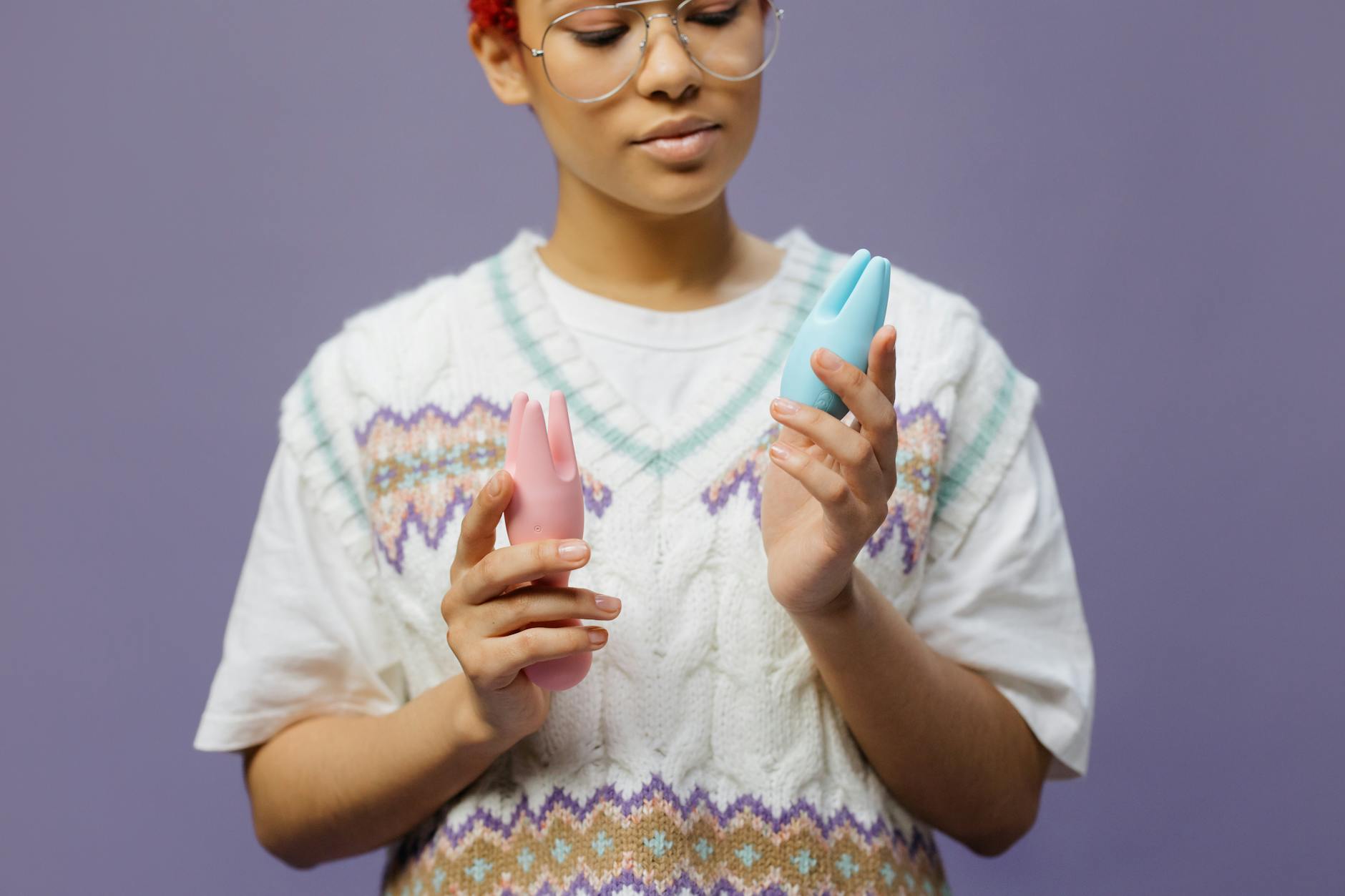
Lemon vibrators. The Lem and its cousins in the lemon sucker category. They're designed around a specific principle. Pleasure that doesn't require much from you.
When you're in transition mode, you don't have bandwidth for extended foreplay, elaborate setups, or anything that feels like a project. You need something that works fast, requires minimal mental presence, and doesn't feel like another obligation on an already-overloaded plate.
The suction mechanism on a lemon clitoral vibrator bypasses the need for mental arousal. It works on nerve activation alone. You don't need to "feel into it" or build a story. You just need about fifteen minutes and permission.
That's the real shift. Not the toy itself. The permission.
Reframing pleasure as a nervous system reset
One of the biggest blocks during life transitions is the guilt framework. You feel selfish touching yourself when there's so much else to handle. Your partner feels neglected. You feel broken for not wanting sex even though you love them. Everything gets tangled up in shame.
Here's what I tell my clients in this exact situation. Pleasure right now isn't about self care. It's about maintenance. Like eating when you're stressed, or sleeping when your body needs it.
Your nervous system needs micro-doses of safety and pleasure to keep functioning. A fifteen-minute session with a lemon clitoral vibrator isn't indulgent. It's preventative. It's the difference between your nervous system staying regulated and it tipping into full burnout mode.
Frame it that way internally, and a lot of the shame dissolves.
The practical setup for desire-less moments
You've got twenty minutes. Maybe less. No mental energy. Here's what actually works.
Find a private space. Bathroom, locked bedroom, car on your lunch break. Set a timer. Not because you're rushing. Because constraints actually help. When your brain knows this is fifteen minutes of permission and then it's over, it relaxes into it faster than if you have "as long as you want."
Use a water-based lubricant. When desire is low and cortisol is high, your body isn't producing natural lubrication the way it normally does. Lube isn't a sign something is wrong. It's a practical acknowledgment that your nervous system is in a different state right now.
Start at the lowest intensity. One or two on the Lem. You're not chasing intense orgasms. You're teaching your body that pleasure is still available, even when your life feels fractured. Gentle reintroduction matters more than fireworks.
And here's the piece most articles skip. Stop when it feels good enough, not when you've achieved a specific outcome. If you get to five minutes of pleasure and your nervous system feels slightly less contracted, that's a win. You don't need to chase an orgasm every time.
When you're partnered during the transition
If you're with someone, this gets more complicated because they're probably also stressed and also confused about where desire went. The conversation you need to have is separate from the physical one.
Tell your partner. Not "I'm touching myself instead of having sex with you." That frames it as replacement and creates resentment. Say something like "My nervous system is in overdrive right now, and my body isn't producing desire the way it normally does. That's temporary and it's not about you. I'm going to rebuild my relationship with pleasure separately, and that will actually help us later."
Then, separately, create a low-pressure physical touchpoint with your partner. Not sex. Not even foreplay. Just. Touch. A shoulder massage. Sitting close while you watch something. Sleeping skin to skin. Let that rebuild some of the physical intimacy while you handle the solo desire piece independently.
Returning to partnered pleasure when you're ready
Once you've spent a few weeks gently rebuilding your own connection to pleasure, the nervous system shift starts happening. You'll notice you think about sex slightly more. Your partner touches you and your body responds a little faster than it did last month.
That's the moment to have a different conversation. "I'm starting to feel my body again. I want us to rebuild this together, but slowly. No pressure. Just exploration."
When you do reconnect with a partner, lemon vibrators actually work beautifully in partnered play during recovery. The suction mechanism is visually interesting, the sensation is concentrated, and it bypasses the need for sustained arousal building that can feel impossible when you're still in transition mode.
The timeline nobody wants to hear
A major life transition doesn't end when the event ends. You move to a new city and think you'll feel settled in two months. You don't. Your body and nervous system need six to nine months to truly recalibrate. Same with job changes, relationship shifts, family crises.
During that whole period, desire will be inconsistent. Some weeks you'll feel it. Some weeks it'll vanish again. That's not relapse. That's normal oscillation.
Keep the lemon clitoral vibrators accessible. Keep checking in with yourself without judgment. And understand that rebuilding pleasure during upheaval is a slow, nonlinear process. You're not trying to get back to where you were. You're building something new that works for who you are right now, in the middle of all this change.
Eventually, the transition stabilizes. Your nervous system recalibrates. And pleasure, when it returns, often feels richer because you didn't shame yourself while you were struggling. You just met yourself where you were.
People also ask
Is it normal to lose all desire during a major life change?
Completely normal. Your nervous system prioritizes survival over pleasure. When your brain perceives threat. Whether that's financial stress, relocation, family crisis, or career upheaval. It downregulates the systems responsible for desire. This is a protective mechanism, not a failure. It usually resolves as the transition stabilizes, though the timeline varies widely depending on the severity and duration of the change.
Can using lemon vibrators during a transition actually help regulate my nervous system?
Yes. Low-pressure pleasure activates the parasympathetic nervous system, which counteracts the constant activation of the stress response. A fifteen-minute session with a clitoral vibrator can genuinely help your body remember what safety feels like. The key is keeping expectations low and treating it as maintenance rather than performance.
How do I use lemon clitoral vibrators when I'm too stressed to feel aroused?
That's the whole point of the suction mechanism. Lemon vibrators work on nerve activation rather than requiring arousal to be present first. You don't need to feel turned on to use one. You just need privacy and fifteen minutes. Start at the lowest intensity, use lubricant, and let your nervous system respond at its own pace. Arousal might build, or it might not. Either way, you're sending a signal that pleasure is still available.
Should I tell my partner I'm using a lemon vibrator while we're going through a transition?
If you're partnered and haven't discussed this, yes. Frame it clearly as nervous system maintenance, not replacement. Something like "I need to rebuild my own relationship with pleasure separately right now, and that will actually help us reconnect later." This prevents misunderstandings and shame. If your partner struggles with it, that's a separate conversation worth having with professional support.
How long does desire usually take to return after a major life change?
It varies widely. A job change might take three to six months. A move might take six to nine. A relationship shift or health crisis could take longer. The important thing is not to treat its absence as permanent. Gentle, consistent micro-moments of pleasure during the transition can actually shorten the recovery timeline by keeping that neural pathway active rather than letting it go dormant entirely.
Can lemon vibrators help if I'm partnered but my partner and I aren't connecting during the transition?
Absolutely. Using a lemon sucker solo helps rebuild your nervous system regulation, which makes you more available for connection. It also removes pressure from your partner to "fix" your desire. When you're handling your own nervous system, you can both relax into the fact that this period is temporary. Some couples also find that adding clitoral vibrators to partnered play helps bridge the gap when one person's desire is lagging.
What happens next
Major life transitions are exactly when pleasure disappears and exactly when you most need that nervous system regulation. The lemon clitoral vibrators from Helo Nancy's Lemons are designed for precisely this kind of low-pressure reentry into pleasure.
You don't need to wait until everything settles. You don't need to perform desire you don't feel. You just need fifteen minutes, permission, and a tool that works without requiring you to bring anything else to the table.
If you're struggling with desire during a transition and want to talk through your specific situation, reach out. That's what we're here for.