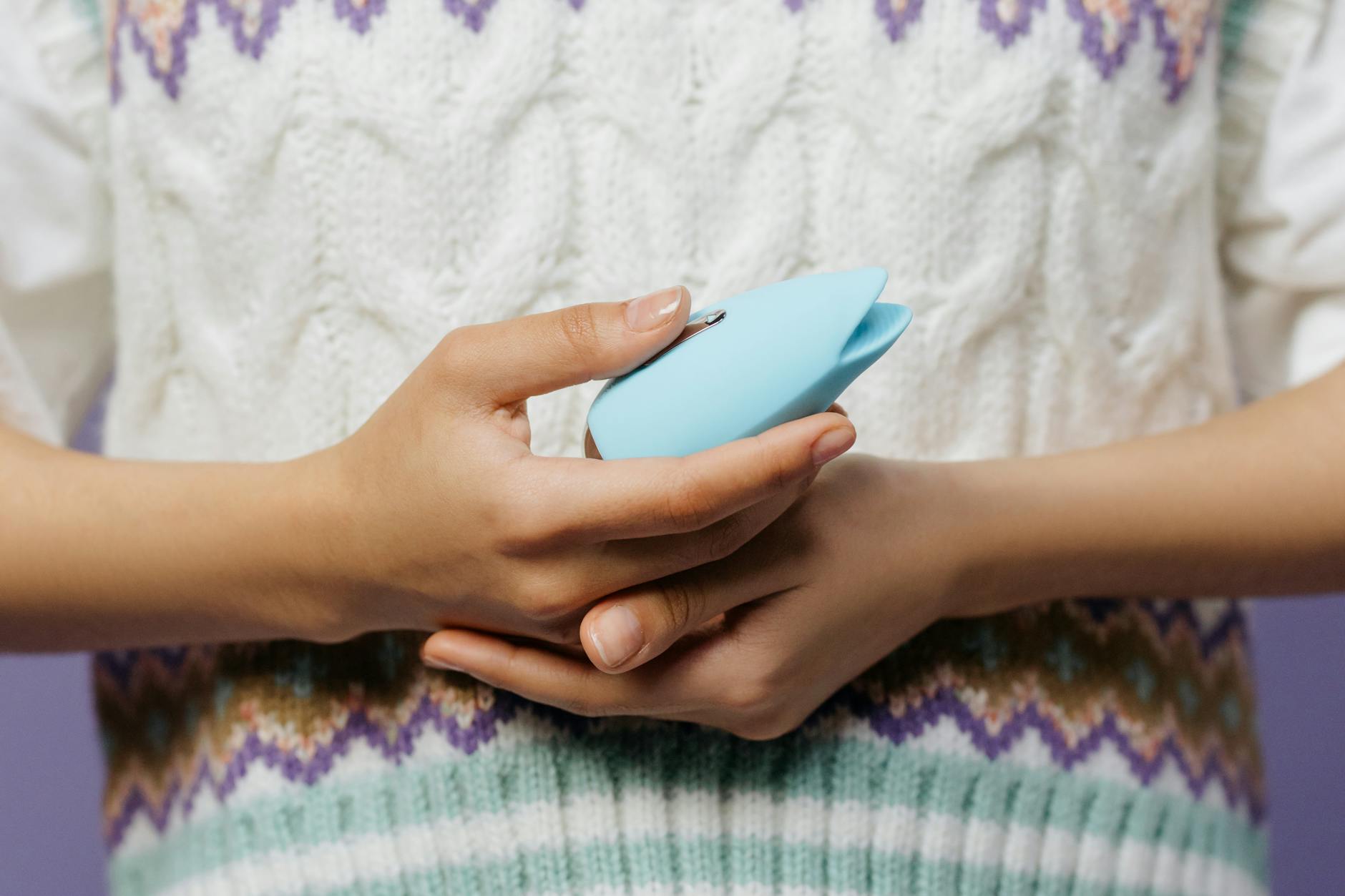
Here's the thing nobody says out loud
Your partner being home doesn't mean your pleasure stops. It doesn't mean you need permission, and it doesn't mean you should feel weird about using a lemon vibrator when they're in the next room. Yet most people do feel weird about it. That guilt isn't moral. It's learned.
After decades of working with couples, I can tell you: the partners who communicate openly about solo pleasure have stronger intimate relationships overall. They trust each other more. They feel less resentful. And paradoxically, they often have better partnered sex too.
Let me walk you through how to make this work in real life.
The guilt piece (and why it's worth untangling)
Most people grow up with the message that real pleasure happens with another person. Solo pleasure gets coded as secret, shameful, or like you're settling for second best. If you have a partner, the logic goes, why would you need to pleasure yourself?
Except that's not how bodies work. Solo pleasure and partnered pleasure activate different neural pathways. They satisfy different needs. One isn't better. They're just different.
When your partner is home, the guilt often intensifies because you're worried they'll hear, judge, or feel replaced. These worries make complete sense. But here's what I've learned: the couples who talk about this stuff directly have way less awkwardness than those who don't.
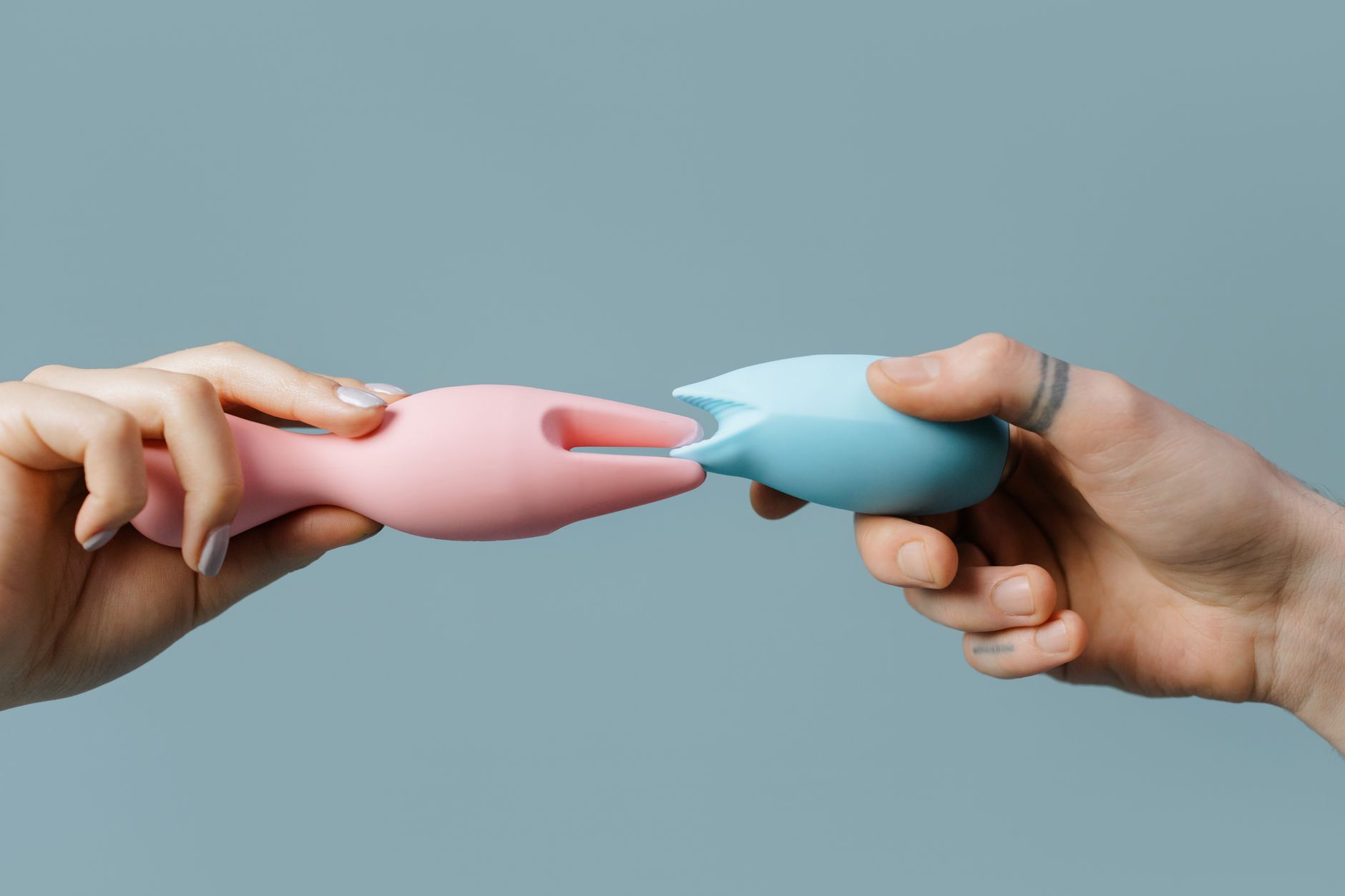
Photo by cottonbro studio on Pexels
Practical privacy strategies that actually work
Let's start with the immediate reality: using a lemon clitoral vibrator quietly is entirely doable.
Timing matters more than hiding. If your partner works late, has a standing gym session, or regularly spends time with friends, you already have built-in privacy. Use it. You don't need elaborate secrecy for something that's already structurally private.
The lemon vibrator's design is your friend. Unlike wand vibrators or larger toys, clitoral vibrators like the Lem are compact and quiet. Modern lemon adult toys use suction technology that's much quieter than older vibration motors. A closed door and normal background noise usually mask it completely.
Noise levels vary by settings. Start at lower intensity settings if sound is your concern. Most clitoral vibrators have 5-10 intensity levels. Pattern 1 or 2 is essentially silent. You only get meaningful noise at higher intensities, and you control that.
Water as a white noise layer. Running a shower, bath, or sink masks any sound. So does having music or a podcast playing in your room. The point isn't to hide something shameful. It's to claim your privacy respectfully, the way you would for any intimate activity.
The conversation you probably need to have
Honestly though: the privacy stuff is smaller than the communication piece.
If your partner is someone you trust and share intimacy with, they deserve to know that you have solo pleasure time. This doesn't require graphic detail. It requires honesty.
Opening this conversation feels terrifying, I know. But consider what you're actually saying: "I care about my own pleasure. I want time to explore what feels good for me. This is part of my wellbeing, and I'm not ashamed of it."
That's not threatening. That's attractive.
The way you frame it matters. "Hey, I want to talk about something personal" lands differently than sneaking around. "I enjoy solo time sometimes, and I wanted you to know because I don't want to hide it from you" is clear and respectful.
If your partner gets upset, that's information you need. It often means they have anxiety about sex, intimacy, or their own pleasure. That's a different conversation entirely, and it might benefit from actual couples therapy. But most partners, when they understand that you're not replacing them or criticizing them, actually relax.
What to do if your partner wants to join in
Some partners get curious or excited when you mention solo pleasure. That's okay. You can say yes sometimes and no other times. Those are separate things.
Solo pleasure time and partnered pleasure time serve different purposes for your brain and body. It's not an either-or. You can have both, and you should get to choose when and how.
If you sometimes want them to join and sometimes don't, say that clearly. "I love having you involved sometimes, and I also need my own time" is completely reasonable.
Scheduling and communication rhythms
If you live with your partner, a simple conversation can prevent awkwardness: "I'd like time on Tuesday and Friday evenings to myself. I might be in the bedroom. I'll put my phone away to be fully disconnected."
That's true whether you're using a lemon vibrator or journaling or napping. You're claiming your own time. You're being respectful by not leaving your partner hanging, not coming across as secretive.
With kids in the house, timing is harder but still possible. Early morning, after they go to bed, weekend naptime. Build your own rhythm and protect it the way you would protect any other health practice.
The paradox: openness strengthens everything
Couples who talk openly about masturbation and solo pleasure report higher satisfaction with their partnered sex life. Not because solo pleasure somehow improves your skill (though that can happen). But because honesty builds trust. And trust builds arousal.
When you don't have to hide something, you have mental space for actual pleasure. Your nervous system relaxes. That relaxation doesn't stay compartmentalized. It flows into the rest of your relationship.
Using a lemon vibrator mindfully in a shared space
When you do have solo time, make it intentional. This isn't about fitting it in between errands.
Set aside 20-30 minutes without your phone buzzing. Close the door. Use your lemon clitoral vibrator without rushing. Notice what feels good, what doesn't, what sensations surprise you. This is data collection for your own pleasure.
That information matters. It helps you understand your own body. It helps you communicate with a partner when you do have sex together. It grounds you in your own desire, which is actually the foundation of healthy partnered sex.
The privacy and the presence belong together. You're not hiding. You're investing in yourself.
When to involve a professional
If your partner consistently shames you, monitors your activity, or tries to control your solo pleasure, that's not a communication gap. That's a sign of controlling behavior, and it's worth talking to a couples therapist about.
Same thing if you feel shame so intense that you can't enjoy solo pleasure even when your partner explicitly approves. That shame often connects to older family patterns or past experiences. That's worth exploring with a therapist too.
Most situations don't need professional help, though. Most people just need permission to stop feeling weird about something that's completely normal.
You deserve this time
Your pleasure matters. Your solo pleasure matters. Using a lemon vibrator when your partner is home doesn't diminish your relationship. It strengthens it because you're not sacrificing yourself. You're whole.
People also ask
Is it disrespectful to use a lemon vibrator when my partner is home?
No. Solo pleasure and partnered intimacy are separate things. Using a lemon clitoral vibrator on your own time is self-care, not infidelity. Most therapists agree that healthy couples include independent pleasure time. If your partner feels threatened, that's about their own insecurity or beliefs about sex, not about anything you're doing wrong.
Should I tell my partner I'm using a lemon vibrator?
It depends on your relationship and what feels right to you. Complete secrecy often creates resentment over time. But you don't need to announce it. A simple, straightforward conversation once is usually enough. "I want some solo time sometimes, and I might use a toy. I wanted you to know because I don't want it to feel sneaky." Most partners appreciate the honesty.
What if my partner gets upset about me using a lemon sexual toy?
That reaction usually comes from insecurity, not from anything being wrong with you. It might help to ask what they're actually worried about. Are they concerned you don't want them anymore? That they're not enough? Those are separate issues from whether you get to have solo pleasure. Address the real worry, not the toy.
Can using a lemon vibrator solo affect my partnered sex?
Solo pleasure and partnered pleasure use different parts of your brain and can feel quite different. Some research suggests that solo exploration actually improves partnered sex because you understand your own body better. But everyone's different. Communication about what you both enjoy tends to help more than anything else.
How quiet is a lemon clitoral vibrator really?
Clitoral vibrators using suction technology, like the Lem, are significantly quieter than traditional vibrating toys. At lower intensity settings (1-3), they're nearly silent. Even at higher settings, a closed door and normal background noise usually masks it. If sound is your main concern, this style of toy is actually ideal.
What if we live in a small space and I don't have privacy?
Timing and communication matter more than physical space. Use the bathroom with the door locked. Use times when your partner is occupied elsewhere. Most importantly, have the conversation so you're not operating in secret. "I'd like some private time Tuesday evening" is way less awkward than someone finding out you've been sneaking around.