When pleasure has been off the table for years
Let's be real. Some people go through long stretches where sex, solo pleasure, and any kind of erotic exploration feel like something that happens to other people. Maybe it started with a relationship that felt unsafe, or a medical crisis, or years of stress that flattened your libido into invisibility. Somewhere along the way, you stopped asking yourself what feels good. The question stopped mattering because the answer seemed to be: nothing.
Now you're ready to ask again. That shift is huge. It's also terrifying.
Reawakening pleasure after years of avoidance isn't about technique or finding the right toy. It's about rebuilding permission. Your body has learned that pleasure isn't safe, isn't relevant, or isn't for you. Lemon clitoral vibrators can help you write a new story, but only if you understand what's actually happening underneath.
Why avoidance changes everything
When you've spent years not engaging with pleasure, a few things happen neurologically and emotionally. Your nervous system gets used to a baseline without arousal signals. Your brain stops automatically routing attention toward sensation. Most importantly, you lose access to the felt sense that pleasure is something your body can do, deserves, or wants.
This isn't laziness or trauma processing gone wrong. It's an adaptation. Your system was protecting you by going quiet. Now you're trying to wake it up again.
The problem with jumping straight to a vibrator when you've been avoidant for years is that intensity can feel jarring. A lemon vibrator that feels perfect to someone with a regular pleasure practice might feel overwhelming or even triggering to someone rebuilding from zero. You're not broken. You're just starting from a different place.
The good news. Most people in this situation report that sensation comes back faster than they expected once they give themselves permission and use the right approach.
Starting with the softest possible access
If you've been avoidant for years, begin by doing things that don't involve a toy at all. Spend a week or two just paying attention to texture. A silk pillowcase. Running your hand over your own arm. A warm shower. You're teaching your nervous system that sensation exists and that it's safe.
When you do introduce a lemon vibrator, start with the lowest setting. Most clitoral vibrators have multiple intensity levels for a reason. Set yours to pattern one or two, or if it has a button, touch it the gentlest way possible without activating it fully. The goal isn't pleasure yet. The goal is data. Your job is to notice what happens in your body when you apply very gentle vibration.
Do this for five minutes. Not because you're aiming for an orgasm, but because your nervous system needs evidence that vibration is just sensation. It's not dangerous. It's not demanding. It's just there.
Building incrementally without pressure
One of the things that kills a pleasure comeback is the expectation that pleasure should feel automatic once you have the right tool. It won't. Not at first. And that's completely normal when you're reawakening something that's been dormant.
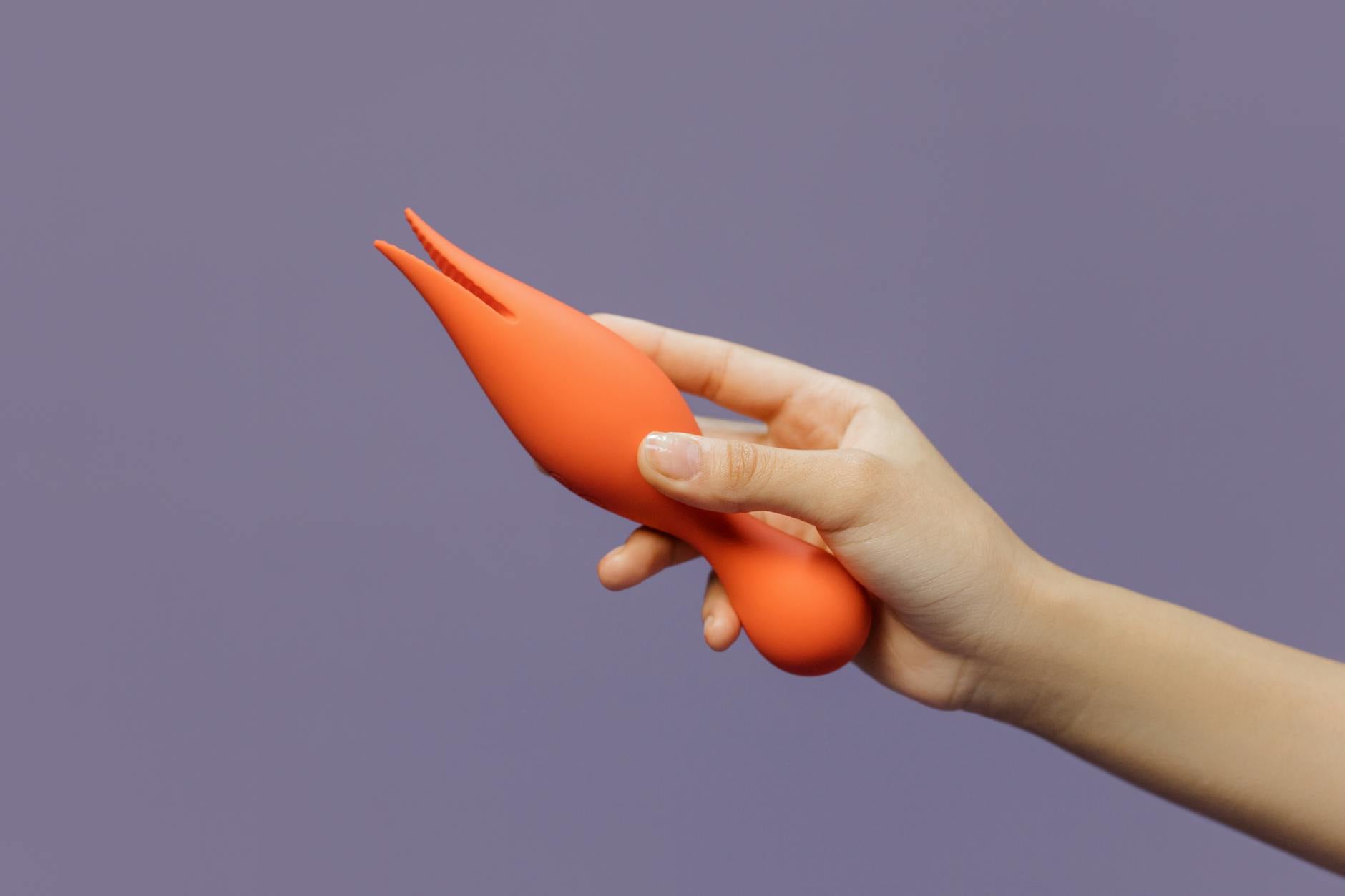
This is where patience actually matters more than the lemon vibrator itself. A good lemon sucker like the Lem gives you something that doesn't require intense friction or direct pressure, which can feel easier for nervous systems coming back online. The suction pattern is gentler than a conventional vibrator and many people find it less overwhelming when they're starting from zero.
But the tool is secondary to your actual plan. Here's what I recommend to clients rebuilding from avoidance:
Week one: five minutes with the vibrator on the lowest setting. No goal. Just presence.
Week two: ten minutes, same intensity. Let your mind wander. Read something erotic if that helps. Notice what happens to your breathing.
Week three: try progressing to a slightly higher intensity if the lower one feels boring now. Or stay where you are. There's no deadline.
Week four: experiment with time of day. Morning versus evening. Some people find pleasure returns more easily when they're rested.
This might sound slow. It is. It's also how you rebuild trust with your own body instead of just powering through avoidance with willpower.
The role of external context
Your body's ability to engage with pleasure isn't just about the toy or the sensation. It's about your environment, your stress level, and honestly, whether you've given yourself permission to want this.
If you're still living with the belief that solo pleasure is selfish, wrong, or something you don't deserve, no lemon clitoral vibrator will fix that. That's internal work. It might mean therapy. It might mean journaling about where that belief came from. It definitely means questioning it.
Externally, small things matter. Privacy matters. Time to yourself matters. A locked door matters. If you're trying to reawaken pleasure while checking over your shoulder, your nervous system has a good reason to stay quiet.
Set up one scenario where you have genuine privacy and genuine time. Not the five minutes before bed when you're exhausted. A whole hour if you can manage it. This is part of permission. You're not sneaking pleasure in the margins of your life. You're giving it space.
When sensation finally starts returning
Most people rebuilding from avoidance hit a moment around week three or four where something shifts. Maybe it's a subtle flutter. Maybe it's a thought that shows up during your session that surprises you. Maybe it's just that the sensation feels less foreign.
When that happens, you haven't solved anything yet. You've just confirmed that your body can access sensation. That's the real milestone. Everything that follows builds from there.
At this point, you might experiment with slightly longer sessions, different settings on your lemon vibrator, or bringing in another element like music or reading material. You might find that certain times of day work better. Some people find that they need the vibrator on the lowest setting and that's fine. Others progress to higher intensities and enjoy variation.
The key: there's no finish line you're supposed to cross. Pleasure returning doesn't mean you need to have earth-shattering orgasms. It means you can access your own sensation and that feels good enough to spend time on.
When to seek support
If you're rebuilding and hitting a wall around week four or five, that's normal. Sometimes pleasure takes longer to wake up. Sometimes there's an underlying reason it went dormant that needs addressing.
If you notice that sensation starts coming back but you feel anxious or triggered during sessions, pause and notice what's happening. Trauma often lives in the body, and pleasure can bring up old stuff. A therapist trained in somatic work or trauma-informed care can help you move through that.
If you have a partner and you're exploring this journey together, communication matters enormously. This is about you rebuilding your relationship with your own body first. Your partner can support that by giving you space, not pushing for outcomes, and understanding that your pleasure returning is a process, not a destination.
Lemon clitoral vibrators are tools. Good ones. But the real work is the permission and the patience.
FAQ
How long does it usually take for pleasure to return after years of avoidance?
There's no standard timeline. Some people notice shifts within two weeks. Others take two months. Your history matters, your stress level matters, and your belief system about pleasure matters. The most consistent factor I see is consistency. Three fifteen-minute sessions per week beats one weekly session every time, even if the total time is similar. Your nervous system needs regular evidence that sensation is safe.
Can a lemon clitoral vibrator be too intense if I'm starting from zero?
Absolutely. That's why starting on the absolute lowest setting matters. If you have a vibrator with a button or remote, you might test it in your hand first to get a sense of what each level feels like before you introduce it to your body. If all the settings feel too strong, you might explore other tools first. There's no shame in that. You're learning what your body needs.
Should I explore pleasure alone or with a partner?
Start alone. Your job right now is rebuilding your own relationship with sensation. When you can access pleasure solo consistently, involving a partner becomes about connection rather than relying on them to "unlock" your pleasure. If you have a partner, you can absolutely tell them you're working on this and ask for space and privacy. Most good partners get it.
What if I still feel guilty about solo pleasure?
Guilty feelings don't mean you shouldn't do it. They often mean there's a belief underneath that's worth examining. Where did you learn that your pleasure was wrong, selfish, or not for you? Can you trace it back? Often guilt fades when you actively choose pleasure anyway and realize nothing bad happens. You're still a good person. Your family didn't implode. Your relationship didn't suffer. You just felt good for a while. That's information.
Is it normal to feel emotional during or after sessions?
Yes. Pleasure waking up can bring all kinds of feelings. Relief, grief about the time you lost, anger about why you had to shut down, sadness, even joy. Your body is processing. Let it. You don't need to perform pleasure. You can cry while holding a lemon vibrator. That's actually part of reconnection.
What if I'm doing all this and nothing is happening?
If you're two months in and genuinely feeling no shift, there might be something worth exploring with a sex therapist or somatic practitioner. Sometimes pleasure avoidance is connected to deeper trauma, medical issues, or beliefs that need professional support to move. A good lemon vibrator is a great tool, but it's not a substitute for help when you need it. Get it.