Let's talk about what's actually happening
Your body makes less natural lubrication when hormones shift. That's not a flaw or a sign something's wrong. It's just how biology works. Estrogen drops during certain phases of your cycle, with certain medications, after pregnancy, or as you move through midlife. Less estrogen means thinner vaginal tissue and less fluid production. End of story.
Here's what matters: your clitoris doesn't care. The nerve density is the same. Your capacity for orgasm is unchanged. What changes is friction, glide, and how quickly stimulation registers.
That's where lemon clitoral vibrators actually shine. Unlike traditional vibrators that rely on repeated contact with dry tissue, air-suction devices like the Lem work by creating a seal and gentle pressure. They don't require the same level of natural lubrication to feel incredible. But pairing them with the right lubricant strategy transforms the whole experience.
Why lube becomes your best tool
Think of lube not as a sign of "not ready" but as a way to restore the conditions your body used to create automatically. When lubrication decreases with hormonal shifts, adding external lube is solving a mechanical problem, not covering up inadequacy.
Water-based lubricants are your friend with any silicone toy, including lemon sexual toys. They're compatible with everything, feel natural, and wash off easily. Silicone-based lubes feel richer and last longer, but they can degrade silicone toys over time. Oil-based lubes feel luxurious but can trap bacteria and damage condoms if you're using them with a partner.
Start with water-based. It's the reliable choice, and there are good ones that feel nothing like the cheap stuff from ten years ago.
The three-phase approach to sensation
When natural lubrication decreases, your warm-up needs restructuring. I recommend thinking about it in three phases instead of one long blur.
Phase one: mental arrival (5-10 minutes). Put your phone away. Breathe. Let your brain catch up to your body. Hormonal shifts often mean arousal takes longer to build, so don't try to rush this. Read something sexy, think about what you want, or just sit with the anticipation. This primes your system.
Phase two: external application (pre-toy). Apply lube directly to your vulva, focusing on your clitoris and the surrounding tissue. Let it sit for a moment. This gives your body a chance to absorb some and creates a barrier that prevents the direct friction that can feel uncomfortable when tissue is thinner.
Phase three: sustained stimulation (10-15 minutes). Now bring in your lemon vibrator. Start at a lower intensity setting and let the suction mechanism do the work. The Lem and other air-suction clitoral vibrators create a seal that holds lubrication in place while stimulating nerves. This is completely different from the direct pressure of a traditional vibrator, and it works brilliantly when natural lubrication is lower.
How lemon vibrators work differently when lube is part of the plan
Air-suction clitoral vibrators create a micro-suction effect that stimulates a broader area of tissue. When you're working with less natural lubrication, this design is an actual advantage. You're not grinding through layers of skin. You're creating a gentle pressure differential that feels more like oral sex than friction.
Apply a small amount of lube to your clitoris and the rim of the device before turning it on. This helps the seal form faster and feel smoother. Start at intensity level 1 or 2. Your tissue is more sensitive when lubrication is lower, not because it's damaged but because it's thinner. That means you feel sensation more acutely. You probably want less intensity overall, not more.
Many of my clients find that when they stop fighting their body's natural changes and instead work with them using good lube and a well-designed lemon clitoral vibrator, their orgasms become stronger and more reliable than they were before. The shift forces you to slow down and pay attention.
Lube quality matters more than quantity
You don't need a lot. A dime-sized amount on your clitoris, maybe another dime-sized amount on the device rim. More isn't better. Too much lube can actually reduce sensation because the device stops making contact with your tissue.
Look for water-based lubricants specifically labeled as long-lasting or silky. Glycerin-free options are better if you're prone to yeast infections, which become more common when tissue is thinner. Good brands include Sliquid, Pjur Water, and Good Clean Love. These cost a bit more than pharmacy basics, but they feel better and last longer.
Reapply lube as needed during longer sessions. Fifteen to twenty minutes in, things may start to feel dry again. That's normal. A quick refresh of lube often brings sensation roaring back.
What happens when you use lemon vibrators with the wrong lube
If you use silicone-based lube with a silicone lemon sexual toy, the silicone lube breaks down the silicone toy over time. You'll notice the toy becoming sticky or degraded after a few uses. Avoid this entirely by sticking to water-based.
Oil-based lubes feel amazing but they're porous. They can trap bacteria, which increases your risk of infection, especially when tissue is thinner and more vulnerable. They also stain sheets and take forever to wash off. Save oil for the occasional partner massage, not for solo play.
Water-based is the workhorse choice. It's not exciting, but it works.
Timing matters when hormones shift
If you menstruate, you've probably noticed that natural lubrication changes across your cycle. Days after ovulation are often drier than days before it. If you're on hormonal birth control, the entire cycle flattens out, and you might notice you're drier on any given day than you used to be.
Menopausal people experience consistent dryness because estrogen is consistently lower. Same with people on certain medications like SSRIs or those in recovery from pregnancy and breastfeeding.
The adjustment is the same for all of these: plan for lube, let your warm-up extend, and trust that sensation will arrive if you're patient and intentional.
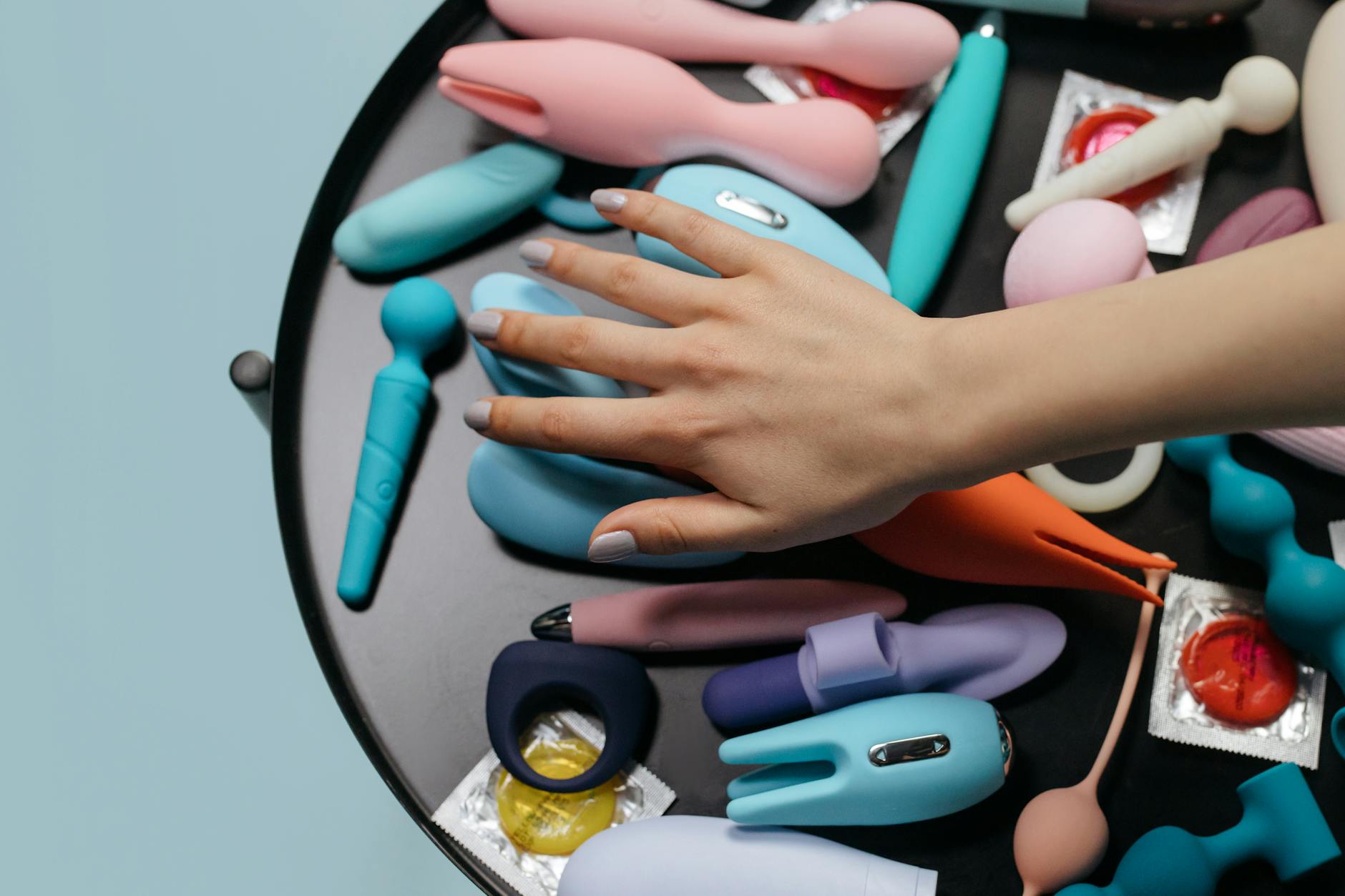
Photo by cottonbro studio on Pexels
When to see a medical professional
If lubrication changes come with pain during sex, itching, or burning sensations, contact your doctor. Genitourinary syndrome of menopause, yeast infections, or bacterial vaginosis can all feel like simple dryness but need actual treatment. A topical estrogen cream can transform things in weeks if GSM is the issue. These are medical solutions, not lifestyle fixes.
If lube and a longer warm-up aren't helping after a month of consistent practice, it's worth getting bloodwork done to check hormone levels. Sometimes what feels like a lube problem is actually thyroid dysfunction or another hormonal imbalance that your doctor can address.
Don't suffer in silence assuming this is just how your body is now. Often it's not. Often it's addressable.
How partners fit into this shift
If you're with a partner, this is a conversation worth having before you need it. "My body's natural lubrication is changing because of hormones. I want to use lube during sex, and I want to take more time for warm-up. That's not about you. It's about how my body works right now."
This prevents your partner from taking it personally and turns what could feel like a disconnect into collaborative problem-solving. Many partners actually find this shift refreshing because it gives permission to slow down and be more intentional.
If you're using a lemon clitoral vibrator solo, there's nothing to negotiate. You're in charge. Use lube, take your time, and let your body respond at its own pace.
Frequently asked questions
Why does my natural lubrication decrease with hormones? Estrogen supports the thickness and moisture of vaginal tissue. When estrogen drops (during cycle shifts, on certain medications, or during menopause), tissue becomes thinner and produces less fluid. This isn't a sign of low desire. It's just chemistry.
Can I use coconut oil with my lemon vibrator? Coconut oil is water-resistant, so it won't wash off easily, and it can trap bacteria. It's also porous and can damage silicone toys over time. Stick with water-based lubricant for anything silicone.
How long does it take to adjust to using lube during solo play? Most people feel comfortable and connected within 2 to 4 sessions. The first time feels a bit clinical. By the third time, it feels normal. By the fifth time, you forget it wasn't always part of your routine.
Does using lube mean I'm broken or not aroused? No. Lubrication and arousal are two separate systems. You can be wildly aroused and have lower natural lubrication due to hormones, medications, or stress. Using lube is solving a physical problem, not indicating anything about your desire or capacity for pleasure.
Should I use the same amount of lube every time? Start with a small amount. You can always add more, but too much reduces sensation. Many people find they need less lube as they warm up and their body responds to the lemon clitoral vibrator.
What if lube makes me feel less connected to sensation? That usually means you're using too much or the wrong type. Try less lube, switch to a silkier water-based formula, or give yourself more time for natural arousal to kick in. Some people find that once their body adjusts, they need lube only at the start, not throughout.
Can hormonal birth control be adjusted if lubrication changes bother me? Sometimes, yes. Not all hormonal birth control affects lubrication equally. If this is a major quality-of-life issue, talk to your doctor about switching methods. You don't have to accept a side effect that makes you unhappy.
Your body's lubrication changes because hormones are powerful. That's not a flaw. That's just how biology works. The adjustment is real, but it's manageable. Adding lube, extending your warm-up, and using a thoughtfully designed lemon clitoral vibrator often makes everything feel better than it did before. Reach out to the team at Helo Nancy's Lemons if you have questions about technique or product fit, or contact us at /contact if you'd like personalized guidance.