Here's what nobody tells you about menopause and pleasure
Menopause changes arousal. It doesn't end it. That sentence matters because the two conversations get tangled constantly. Most of what gets said about menopause and sex lands in one of two ditches: "everything stops working" or "it's no big deal, just use lube." Both are wrong. Both are unhelpful.
What actually happens is specific. Your body shifts. Your nervous system recalibrates. The timeline for arousal changes. But the capacity for intense, satisfying pleasure? That usually survives menopause intact. Sometimes it thrives.
What estrogen really does to arousal
Let's start with the mechanics. Estrogen drops during menopause. This changes tissue thickness in the vulva and vaginal canal, reducing natural lubrication and blood flow to the clitoris. Testosterone drops too (yes, people assigned female at birth produce testosterone). That hormone drives desire in everyone, so lower testosterone often means arousal takes longer to build and feels less urgent.
The pelvic floor gets less structural support from estrogen, which can change how orgasms feel. Sometimes they're more localized. Sometimes they feel flatter. Sometimes they're absolutely electric. All of this is normal.
Here's what doesn't change: the neural pathways for pleasure, the sensitivity of the clitoral nerve, your brain's capacity for arousal, or your ability to orgasm powerfully. I say this not as comfort but as clinical fact.
Why clitoral vibrators work differently now
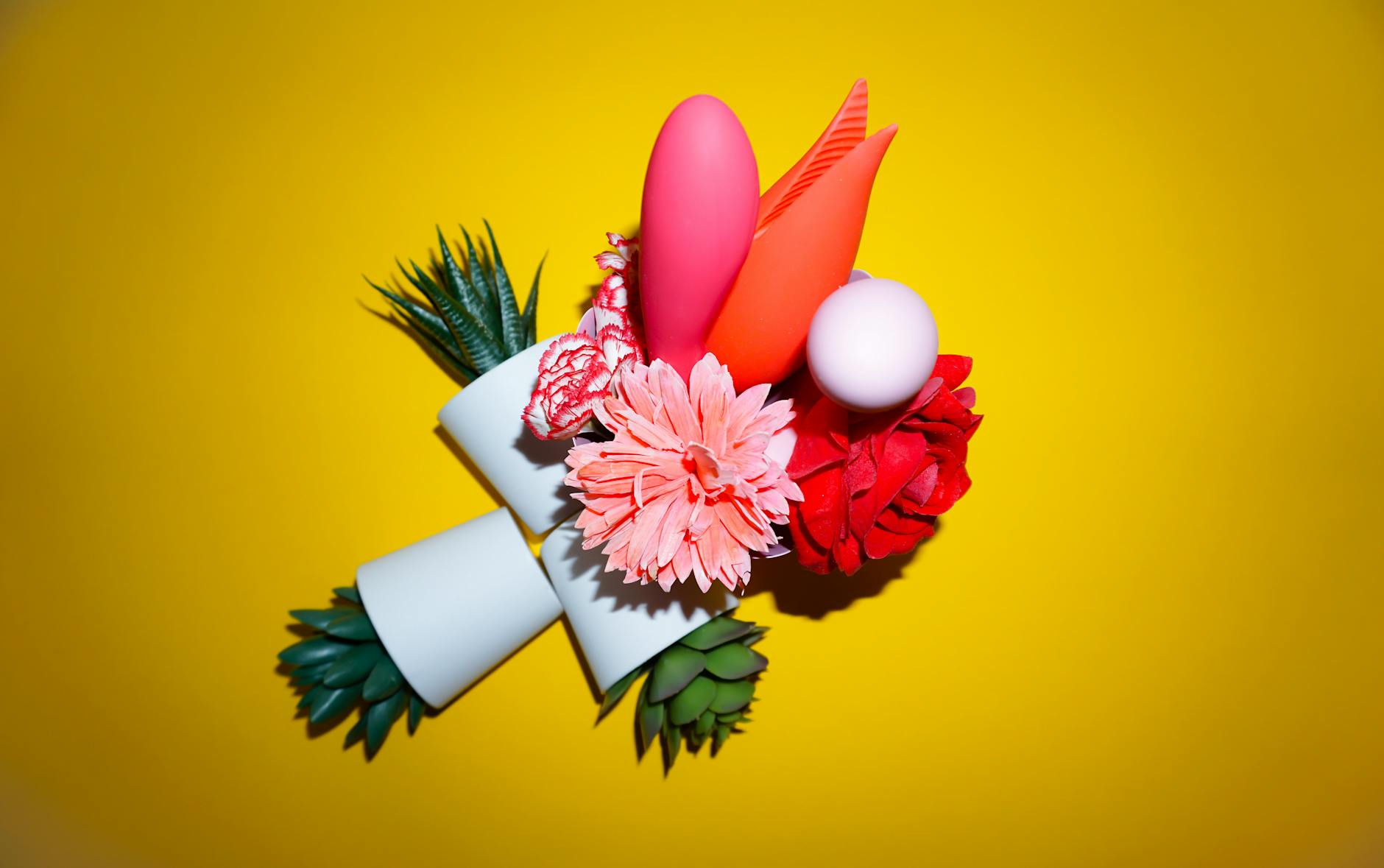
Traditional vibrators require direct friction stimulation. During menopause, thinner clitoral tissue can find that overwhelming or even uncomfortable. Enter the clitoral suction approach. Toys like the Lem (which uses gentle air-pulse technology) work with your changed anatomy rather than against it.
The mechanism is elegant. Instead of pressing, suction draws the clitoral tissue into the device gently, stimulating the thousands of nerves concentrated in that area without direct mechanical friction. For a post-menopausal body, this often feels more intuitive and builds arousal more predictably.
Many clients report that their first satisfying orgasm in years comes via a suction-style lemon vibrator because it doesn't require the same physical conditions that manual stimulation or traditional vibrators demand. It's not a workaround. It's often an upgrade.
The timeline shift (and why it matters)
Before menopause, you might have gone from zero to sixty in five minutes. Post-menopause, that number stretches. Fifteen to twenty-five minutes of consistent stimulation becomes normal. This frustrates people until they reframe it.
Longer arousal windows mean different things depending on how you use them. Solo, you get to be fully present without rushing. With a partner, slower builds can deepen connection. The nervous system gets more time to engage. Pleasure becomes less about speed and more about depth.
Lemon clitoral vibrators fit this new timeline perfectly. Set the Lem to a lower intensity pattern, spend ten minutes on outer stimulation, shift to the clitoris itself when you're ready. You're not chasing a finish line. You're following your body's actual rhythm.
The emotional layer (which is actually bigger)
Here's what I notice in my practice that rarely gets mentioned: menopause often arrives with a kind of permission. Kids are older or launched. Fertility concerns evaporate. The cultural pressure to perform sexually gets quiet. For many people, this is the first time in decades they've explored pleasure on their own terms.
If you've spent twenty years calibrating your responses around a partner's rhythm, menopause can be the moment you ask yourself what YOU actually want. What feels good without compromise. What you've been too distracted or anxious to discover.
That emotional shift changes how vibrators work. You're not using them because you "have to" now. You're using them because you want to, specifically, right now. That intention matters.
Practical setup for post-menopausal pleasure
Four things I recommend to almost every client navigating arousal changes:
1. Water-based lubricant, always. Your natural lubrication might be lighter now. That doesn't mean you're broken. Water-based lube feels natural and works with clitoral vibrators without damaging the silicone. Silicone lube feels richer but can degrade silicone toys, so skip it.
2. Start lower than you think. On a toy like the Lem, patterns 1-3 often surprise people with how satisfying they are. You don't need maximum intensity. Clitoral suction stimulates nerves efficiently at lower power levels. You can always increase later.
3. Warm up first. Spend time on outer stimulation before moving to direct clitoral focus. A lemon vibrator on pattern 1 across the vulva for five to ten minutes wakes up the whole area, improves blood flow, and makes the actual climactic moment feel less jarring.
4. Pelvic floor awareness. Menopause makes pelvic floor tension more common. Spend a few minutes consciously relaxing this area before using a vibrator. Deep breaths, loosened thighs, intentional release. A tense pelvic floor can muffle sensation.
When sensation feels unpredictable
Some days during menopause, your clitoris feels incredibly responsive. Other days, it feels muted. This happens because hormonal fluctuations don't stop at menopause's start. Your body can spend years in transition, with estrogen bouncing around unpredictably.
This means your approach changes week to week. Some weeks you crave intense, fast patterns on the Lem. Other weeks you need patient, low-intensity stimulation. That's not failure. That's information. You're learning your body's new language.
Many of my clients keep a simple note on their phone. One-line entries: "Date, vibrator used, what worked." Over three months, patterns emerge. You see your cycle (yes, you still cycle for years during the menopause transition). You know when to expect sensitivity changes. You stop being surprised by your own body.
The partner conversation
If you're partnered, menopause often reveals a gap in how pleasure gets discussed. You might assume your partner understands that arousal feels different now. They might assume you don't want to explore toys because you've never mentioned them. Both assumptions create silent, unnecessary friction.
The most useful move is specific. "My body responds better to vibration now" is clearer than "things feel different." "I need about twenty minutes to get aroused" sets realistic expectations. "I want to try a lemon clitoral vibrator solo first, then maybe explore it together" is a real plan, not a vague wish.
A clitoral vibrator becomes a tool for reconnection when you frame it that way. Not a replacement for your partner but an addition to what's possible together.
When to get professional support
If pain appears during or after sex, don't white-knuckle through it. Genitourinary syndrome of menopause (GSM) is real, common, and highly treatable. A menopause-trained GP or gynaecologist can prescribe topical estrogen creams that work locally with minimal systemic absorption. Relief often comes within two to four weeks.
If desire has completely vanished and a lemon vibrator doesn't spark anything, consider talking to a specialist about testosterone therapy. It's prescribed conservatively in the US but more readily available in the UK and Australia. For the right person, it's transformative.
And if you're struggling with the emotional dimensions (grief, identity shifts, relationship stress), that's what I'm here for. A relationship coach or therapist who specializes in menopause can help you separate what's biological from what's relational. Both need attention.
FAQ: Menopause, arousal changes, and lemon vibrators
Can I still have orgasms after menopause starts?
Yes. Orgasm capacity doesn't disappear at menopause. What changes is how you get there and what it feels like. Many people report that post-menopausal orgasms are more full-body, more intense, or more satisfying than pre-menopausal ones. The clitoris still works. The nerve pathways are still there. The brain is still capable. You're just working with a different physical setup.
How long does it take arousal to build now?
Typically fifteen to twenty-five minutes instead of five to ten. This varies wildly depending on your specific hormonal situation, stress levels, and what's happening in your relationship. Some people experience this as frustrating at first, then liberating once they realize it gives them permission to slow down and actually feel what's happening.
Why does clitoral suction work better than traditional vibration during menopause?
Clitoral suction doesn't rely on tissue thickness or natural lubrication the way direct vibration does. It stimulates the thousands of nerves in the clitoris through gentle pulling rather than friction. For a post-menopausal body with thinner tissue, this is often less irritating and more pleasurable. It also tends to feel less mechanical and more organic.
Should I use lube with a lemon clitoral vibrator?
Yes. Water-based lube helps the suction work more effectively and reduces any potential irritation. Your natural lubrication might be lighter now, so adding external lubrication isn't a sign of dysfunction. It's smart body mechanics. Apply it to the toy or directly to your vulva before you start.
What if menopause has also affected my desire, not just arousal?
Desire and arousal are different. Low desire often has emotional, relational, or hormonal roots (testosterone, thyroid function). A vibrator can't fix low desire directly, but it can help you explore what's still possible and rebuild the pleasure circuit in your nervous system. If desire stays flat after a few weeks of exploration, talk to a specialist about hormone levels and also consider whether stress, relationship dynamics, or depression are playing a role.
Can I use a lemon vibrator if I'm on hormone replacement therapy?
Absolutely. HRT changes your hormonal landscape but doesn't make vibrators unsafe or ineffective. Some people find that HRT improves arousal noticeably within weeks. Others find they need support beyond HRT. A vibrator works in either case. If you're on HRT and still struggling with arousal, that's useful information for your doctor.
The actual truth about menopause and pleasure
Menopause is not a deadline. It's a doorway. Your body is entering a new chapter. The tissue is thinner. The timeline is slower. The context might feel entirely different from your twenties and thirties. And yes, sometimes all of that adds up to better, deeper, more satisfying pleasure than you've ever known.
Lemon clitoral vibrators work in this new season because they meet your actual body where it is. Not where it used to be. Not where cultural narratives say it should be. Where it actually is. That simple alignment is where everything shifts.
The orgasms are still real. The pleasure is still there. The capacity hasn't gone anywhere. You're just learning to access it differently. And honestly? That's often worth celebrating.
If you're navigating menopause and pleasure feels confusing, unclear, or distant, reach out. We can talk through what's actually happening in your body and relationship.