
When connection breaks, so does sensation
Let's be real. After a major relationship transition, your body doesn't just move on emotionally. Pleasure disconnects too. Maybe you're healing from a breakup, or rebuilding trust after infidelity, or adjusting to remarriage after years solo. Whatever the shift, many people report that their familiar arousal pathways feel blocked. Touch that used to work doesn't land. Your clitoris feels less responsive. The whole sensory experience feels foreign, like someone else's body.
This isn't dysfunction. It's actually your nervous system doing exactly what it's supposed to do: protecting you.
When we experience relationship rupture or major transition, our body enters a protective state. Blood flow redirects from the sexual centers. Nerve endings become less responsive to stimulation. Your clitoris, which relies on trust and safety signals to engage fully, essentially goes quiet. Most people interpret this as permanent. It's not.
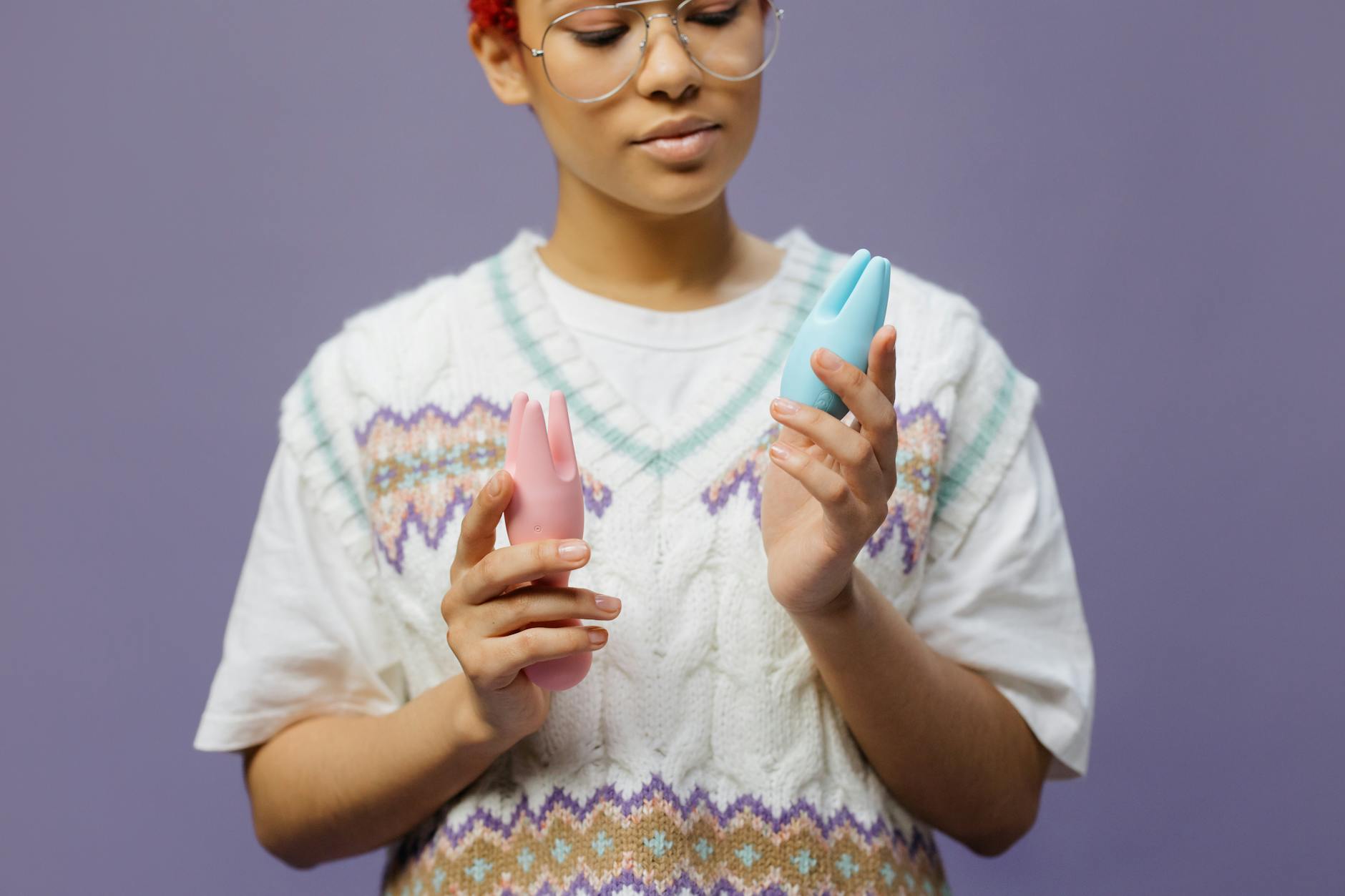
Photo by cottonbro studio on Pexels
Why lemon vibrators are different after relationship shifts
Here's the thing about clitoral suction vibrators like the lemon clitoral vibrators from Helo Nancy's Lemons. They work differently than traditional vibration. Traditional vibrators require your body to already be in a state of arousal and trust. Suction-based stimulation, by contrast, can actually initiate the arousal response. It creates sensation independent of your emotional state.
That matters enormously when you're rebuilding.
After relationship trauma or transition, your nervous system has learned that familiar touch isn't safe. But a new sensation, a different tool, engages a different neural pathway. The lemon sucker doesn't carry the memory of your ex's hand or the weight of what didn't work. It's genuinely new territory. Your body doesn't need to override protective mechanisms because the stimulus itself is unfamiliar enough to bypass old defense patterns.
This is why many people find that pleasure returns more quickly with a fresh tool than it does with a partner or with fingers alone.
The three stages of reconnecting through sensation
Stage one: Permission without pressure. Start solo, no timeline, no outcome goal. Use the Lem vibrator at the lowest setting in a space where you feel genuinely safe. You're not trying to orgasm. You're not trying to prove anything. You're gathering data. Does this feel good? Does it feel neutral? Where does your body want the suction? Let curiosity lead. Most people spend 2-4 weeks in this phase, using the lemon clitoral vibrator 2-3 times weekly without any expectation.
Stage two: Expanding intensity gradually. After a few weeks, your nervous system has new sensory information. It's learned that this sensation is safe and pleasurable. Now you can incrementally increase intensity on the Lem. Move from pattern 1 to pattern 2. Spend longer on each setting before advancing. Your clitoris will start waking up. Some people report sensation returning in waves. One week feels responsive. The next week feels numb again. This is normal. Your body is recalibrating.
Stage three: Integrating with touch or partnership. Once pleasure starts returning reliably in solo use, you can begin integrating lemon vibrators into partnered contexts if you want to. But here's the key: you maintain control. You hold the vibrator. You set the pace. If you're rebuilding trust with a partner, this autonomy matters psychologically and physically. Many people find that using a clitoral vibrator during partnered sex actually helps them stay present because the sensory experience is so focused and new.
Photo by cottonbro studio on Pexels
What makes lemon suction vibrators work in emotional recovery
The suction mechanism itself is key. Unlike traditional vibration, which stimulates through repetitive friction, suction creates a gentle pressure change that engages deeper nerve tissue. For people whose arousal pathways are dampened by emotional guardedness, this different type of input can feel genuinely novel. Your brain doesn't have an old trauma file labeled "suction." So there's less unconscious bracing.
Additionally, the sensation of suction requires your body to relax into it rather than tense against it. That's therapeutically important. After relationship rupture, many people unconsciously grip their pelvic floor, holding tension as protection. Suction naturally encourages release. The gentler suction patterns on the Lem vibrator feel almost exploratory rather than demanding. There's an ease to it that can help nervous systems downregulate.
Timing matters when you're in transition
Don't rush this. I've worked with people who try to reactivate their sexuality too quickly after major relationship shifts, and it almost always backfires. Your nervous system needs time. Using a lemon clitoral vibrator regularly but gently gives your body permission to gradually rebuild arousal capacity without the pressure of a partner's expectations.
If you're rebuilding after infidelity or betrayal, this is especially true. Solo pleasure serves a function beyond orgasm. It's a way of telling your nervous system, "I am safe with my own body." That foundational trust has to rebuild before shared sexual experience can feel genuine again.
If you're navigating remarriage or a new partnership after years solo, the timeline is different but the principle holds. Your body has been your own. Sharing sexual space again requires a renegotiation of safety and control. Using a clitoral suction vibrator lets you explore new arousal patterns independently first, which makes the transition to partnered sex feel less destabilizing.
When to check in with yourself
After 8-12 weeks of consistent use with a lemon vibrator, pleasure usually starts returning. If it doesn't, that's information worth paying attention to. Sometimes disconnection is neurological (certain medications, hormonal changes, chronic stress). Sometimes it's emotional and deeper (grief, unresolved trust issues, depression). A good therapist or sex-positive physician can help clarify which.
But here's what I know from clinical experience: pleasure does return. It looks different post-transition. It often feels more grounded and less performative. Many people report that their pleasure after rebuilding is actually richer than before, because it's no longer tangled up with old relationship patterns.
Starting fresh with the right tools
If you're exploring a lemon vibrator for the first time after a relationship transition, start with the Lem. The suction intensity is graduated and intuitive. Begin with 5-10 minutes at a time, early evening when you're not exhausted, in a space where you won't be interrupted. No performance pressure. No outcome target.
The goal isn't orgasm. The goal is sensation. The goal is permission. The goal is your nervous system learning that pleasure is available to you independent of your relationship status or history. That's the real work. The vibrator is just the tool that makes it possible.
People also ask
How long does it typically take for pleasure to return after a major relationship transition?
It varies widely, but most people report noticeable shifts within 8-12 weeks of consistent exploration. The key word is consistent. Using a lemon clitoral vibrator once and then abandoning it won't create lasting change. But 2-3 times weekly over several months usually rewires arousal patterns. Your nervous system needs repetition to learn new safety signals.
Can using lemon vibrators help if I'm rebuilding intimacy with my current partner after infidelity?
Absolutely, but with an important caveat. Solo use with a clitoral vibrator helps you reclaim your own pleasure and autonomy first. That's essential. Then, if you're integrating it into partnered sex, it's important that you maintain control. You hold the vibrator. You decide when and how it's used. This gives your nervous system the safety signal it needs to re-engage with your partner's touch over time.
Is it normal for arousal to feel inconsistent during the reconnection process?
Yes. Your nervous system is relearning safety after a rupture. Some days your clitoris feels responsive. Other days it feels numb or oversensitive. This inconsistency is completely normal and temporary. Keep using your lemon vibrator consistently even on the numb days. You're building new neural pathways, and that's not linear. Trust the process.
What if using a vibrator brings up emotional feelings or flashbacks?
That's valuable information. Stop, breathe, and notice what came up. You don't have to push through it. Sometimes our body holds memories and emotions that need space to process. If this happens regularly, it might be worth working with a trauma-informed therapist alongside your self-pleasure practice. The vibrator isn't the problem. It's actually helping you surface what needs attention.
Should I use lemon vibrators solo or with a partner first after relationship transitions?
Solo first, every time. When you use a lemon suction vibrator alone initially, you're building confidence and reclaiming agency. You're learning what your body responds to without the complexity of another person's presence or needs. Once pleasure returns reliably in solo contexts, partnered use feels much less fraught. If you integrate too early, you risk overlaying old relationship patterns onto the new tool.
How do I know when I'm ready to include my partner in pleasure exploration with lemon vibrators?
You're ready when you can generate pleasure reliably on your own with the vibrator and feel genuinely curious about sharing it. Not pressured. Not obligated. Genuinely curious. That curiosity is the signal. Also, you should feel safe with your partner. Trust doesn't have to be total (rebuild happens gradually), but there should be genuine respect and willingness on their part to move at your pace. If you're still walking on eggshells or managing their feelings, it's not time yet.
The path forward
Pleasure after relationship transitions isn't about getting back to where you were. It's about discovering where you are now. Lemon vibrators, with their gentle but engaging suction design, create a bridge between disconnection and reconnection. They give your nervous system new information: that sensation is safe, that pleasure belongs to you, that your body can trust again.
Start solo. Start slow. Start with curiosity, not pressure. And trust that your capacity for pleasure will return. It always does. For more guidance on reconnecting with yourself and your partner, explore resources at Helo Nancy's Lemons or check out our complete guide on using lemon vibrators when intimacy feels disconnected. Your pleasure matters. Your healing timeline matters. And you deserve both.