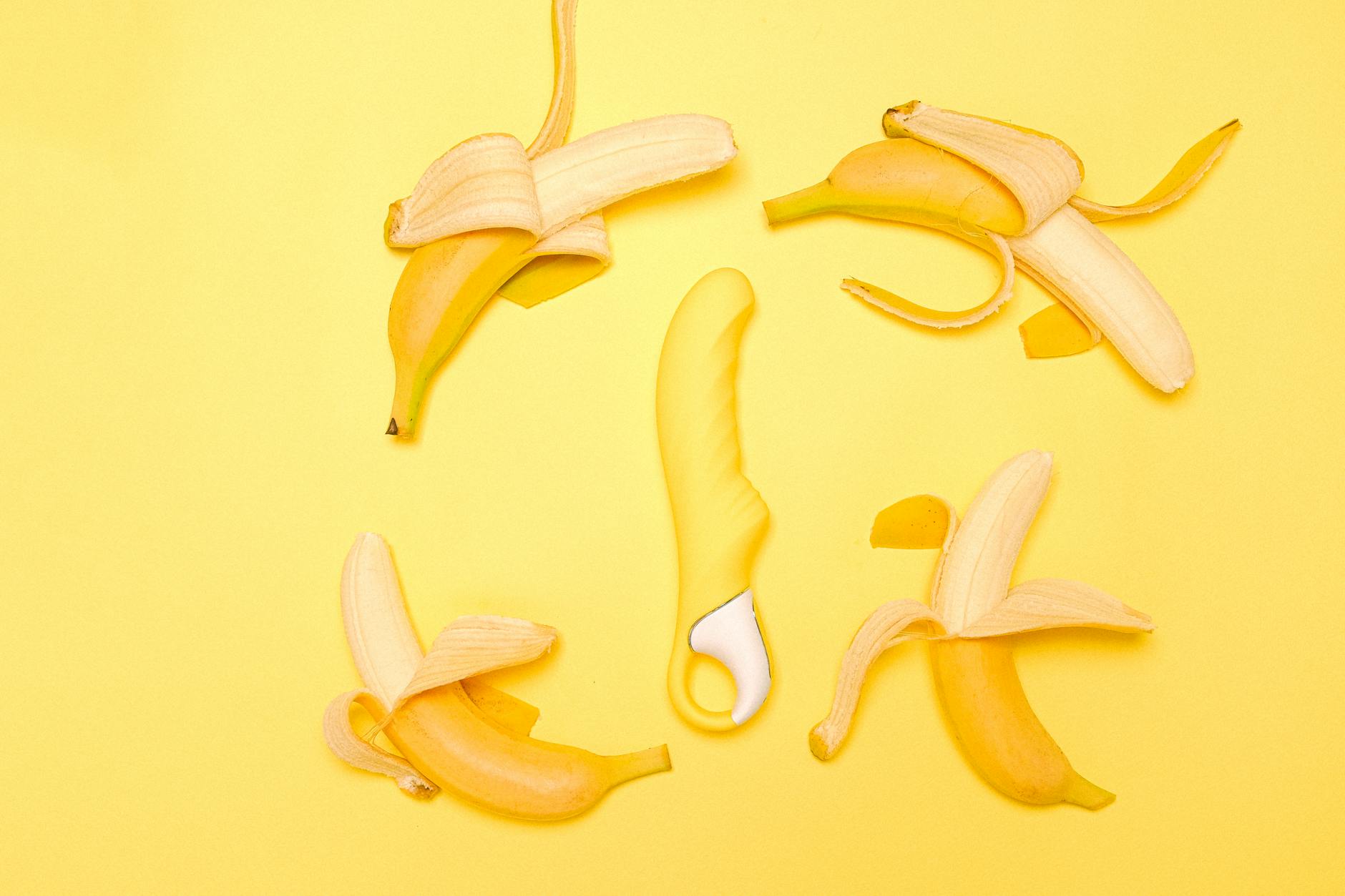
When pleasure becomes a task instead of a feeling
Let's be real: the moment you start watching the clock or wondering if you're taking too long, you've already lost it. That anxious loop of "am I going to come or not" kills arousal faster than anything else. Add a partner checking their phone, a tight schedule, or lingering guilt about your own body, and pleasure doesn't just slow down. It disappears.
You're not broken. You're responding normally to pressure. The nervous system doesn't differentiate between "rush because we only have 10 minutes" and "rush because you're anxious." To your body, pressure is pressure.
Why pressure and arousal are neurological enemies
Here's the neurology: arousal lives in your parasympathetic nervous system. That's the rest-and-digest part. The moment pressure shows up, your sympathetic nervous system (fight-flight-freeze) takes over. These two systems can't occupy the same space at the same time. It's not a willpower issue. It's basic physiology.
This is especially true if you've spent years in a relationship where sex feels obligatory, where there's performance pressure from a partner, or where you've internalized the idea that you're "taking too long." That baggage doesn't vanish when you're alone. It's wired into your nervous system as a red light.
Lemon clitoral vibrators work here because they bypass the pressure story entirely. They're not about going faster or trying harder. They're about permission structures that your body actually believes.
The permission problem and how lemon vibrators solve it
Most people with this friction have a single thing in common: they don't actually believe they're allowed to take the time they need. It sounds simple until you sit with it. You might consciously say "of course I deserve pleasure," but your nervous system has absorbed a different message: "hurry up," "you're too slow," "this is taking too long," or even "your pleasure isn't worth the time."
A lemon vibrator changes the conversation because it's an external tool. When you're not relying on your own body's response or a partner's timing, the pressure architecture collapses. You're not performing. You're not waiting. You're just following what feels good in the moment.
Start by removing time markers entirely. No timer, no thinking "I have 20 minutes." Actual permission to stop whenever, last for two hours if it happens, or walk away and come back tomorrow. That sounds obvious until you realize most people never actually do it.
Setting the nervous system up for success
Four things that matter more than the vibrator itself:
1. Eliminate interruption anxiety. If you live with someone, lock the door. Tell them you need an hour. Make it boring and routine, not a big deal that needs explanation. The moment your brain is still half listening for footsteps, arousal won't build.
2. Use a lemon vibrator's steady pattern, not speed progression. Don't start at low intensity hunting for sensation. Start at a medium pattern (the Lem works beautifully here) and stay there. Let the vibration do the work while your nervous system settles. Moving between settings too often is its own form of pressure. Pick a rhythm and trust it.
3. Separate pleasure from outcome. This is the hard part. You're not using the lemon vibrator to "achieve" an orgasm. You're using it to spend time with sensation. Full stop. If an orgasm happens, great. If not, you still had 30 minutes of your nervous system getting the message that pleasure is safe and allowed. That's not a failed session. That's exactly the point.
4. Use lubrication generously. Physical comfort removes micro-stressors. Water-based lube works best with silicone lemon vibrators. It's not just about sensation. It's about removing the small voice that says "is this going to feel okay?" Good lubrication means your body can relax fully instead of bracing slightly.
The partner conversation (if there is one)
If you're in a relationship, this is worth naming. "I need some solo time with my pleasure, no performance, no timing expectations" is a complete sentence. You don't need to justify it or explain the mechanics.
What often happens is a partner feels excluded or worried they're not enough. That's their anxiety to work with, not yours to fix. You can separate the two conversations. "I need this for myself" is different from "I'm not attracted to you" or "our sex is broken." Both can be true at the same time. One person can need solo time to rebuild a sense of ownership over their own pleasure. That's not a critique of a partnership. It's maintenance.
If your partner wants to be involved eventually, that's a conversation for later. Right now, the goal is to rewire your nervous system's understanding of what pleasure means when there's zero external pressure.
Rebuilding the trust between your brain and body
Pressure creates a split. Your conscious mind wants pleasure. Your nervous system learned that pleasure means risk: judgment, criticism, taking too long, not being enough. Using a lemon clitoral vibrator in a pressure-free context is literally retraining that neural pathway. It's not meditation or therapy. It's evidence. Your body experiences "I took 45 minutes and nobody was mad. Nobody was bored. I got what I needed and it was fine." That proof rewires faster than affirmations.
Do this consistently and the story starts to change. You'll notice you're less anxious during partnered sex. You'll stop clock-watching. You'll actually be able to tell when you need more time versus when you're done. That clarity is gold.
When to bring a partner back in (if you want to)
Once you've rebuilt some confidence solo, the reentry can be gentle. A lemon vibrator isn't something you use instead of a partner. It's something you use to show a partner what actually works for you. "This rhythm, this pressure, this timing. This is what my body responds to."
You can also use a lemon vibrator during partnered sex without the performance component. It's just integrated into what's already happening. No script. No goal. Just sensation.
The bigger point: once you know what pressure-free pleasure feels like, you recognize it when it appears in partnered contexts too. And you learn to name it in the moment when pressure creeps back in. "I need to slow down. I need more time. Let's pause." Those become normal words instead of things you're too anxious to say.
FAQ: Pressure, pleasure, and lemon vibrators
Why do I feel guilty about taking time for solo pleasure?
Guilt usually means you've absorbed a message that your pleasure isn't worth the time or attention. That message rarely comes from nowhere. It might come from a partner, from cultural scripts, from your family of origin, or from internalized beliefs about what "good" people need. A lemon vibrator is just a tool. The real work is questioning whether you actually believe you deserve this time. If you don't, no tool will make it feel frictionless. Start with that question first.
Can my partner use a lemon vibrator on me if I have pressure anxiety?
Yes, but it changes the dynamic. It removes some control, which can actually feel good once you've rebuilt confidence solo. The key is that your partner understands this isn't a performance. They're not trying to make you come. They're following your cues and rhythm. If they speed up or get impatient, the pressure sneaks back in. Communication matters more than the vibrator here.
How long should a solo pleasure session take?
There is no "should." That's the whole point. It could be 10 minutes. It could be an hour. The goal isn't duration. It's removing the timer entirely from the equation. Once the timer is gone, you'll probably find you naturally take longer than you thought you wanted to. That's your nervous system saying it finally has permission.
What if I still feel rushed even when I'm alone?
That's internalized pressure. Your own nervous system has absorbed the "hurry" message so deeply that you're policing yourself. This is really common and it takes conscious rewiring. Try setting an actual, generous time boundary (say, 60 minutes) and giving yourself explicit permission to fill every second of it. If you finish in 15 minutes, the remaining 45 are just for you to exist in your body without a task. No orgasm required. No achievement required. Just presence.
Are lemon clitoral vibrators quiet enough to use discreetly?
Most lemon vibrators, including the Lem, are designed to be quieter than wand vibrators. But "discreet" depends on your living situation. If you need absolute silence, a whisper-quiet device is worth the investment. If you have basic privacy and a closed door, a standard lemon vibrator is fine. The point is: if you're choosing a device based entirely on stealth, you still don't have real permission. That's worth examining.
How do I use a lemon vibrator if my partner thinks it means I'm not interested in them?
This is a relationship conversation, not a vibrator question. Here's what might help: "I'm using this to learn more about my own body and what I need. It's not about you. It's about me reclaiming a part of myself." Some partners hear that and it lands. Some partners are still insecure. If insecurity is the blocker, that's something to work through separately, ideally with a couples counselor or therapist who specializes in sexual health. A lemon vibrator isn't the problem. The relationship dynamic is.
The real work is permission
A lemon clitoral vibrator is a tool. But the actual shift happens when your nervous system finally believes that your pleasure, your timing, your needs, and your body are worth protecting. Solo time with a device becomes the proof your system needed. Once that's rewired, pressure loses its grip. You still might occasionally feel rushed. But you'll know you can step back, reset, and take the time you actually need.
You deserve pleasure that doesn't come attached to performance anxiety or guilt. Start there. The rest follows.