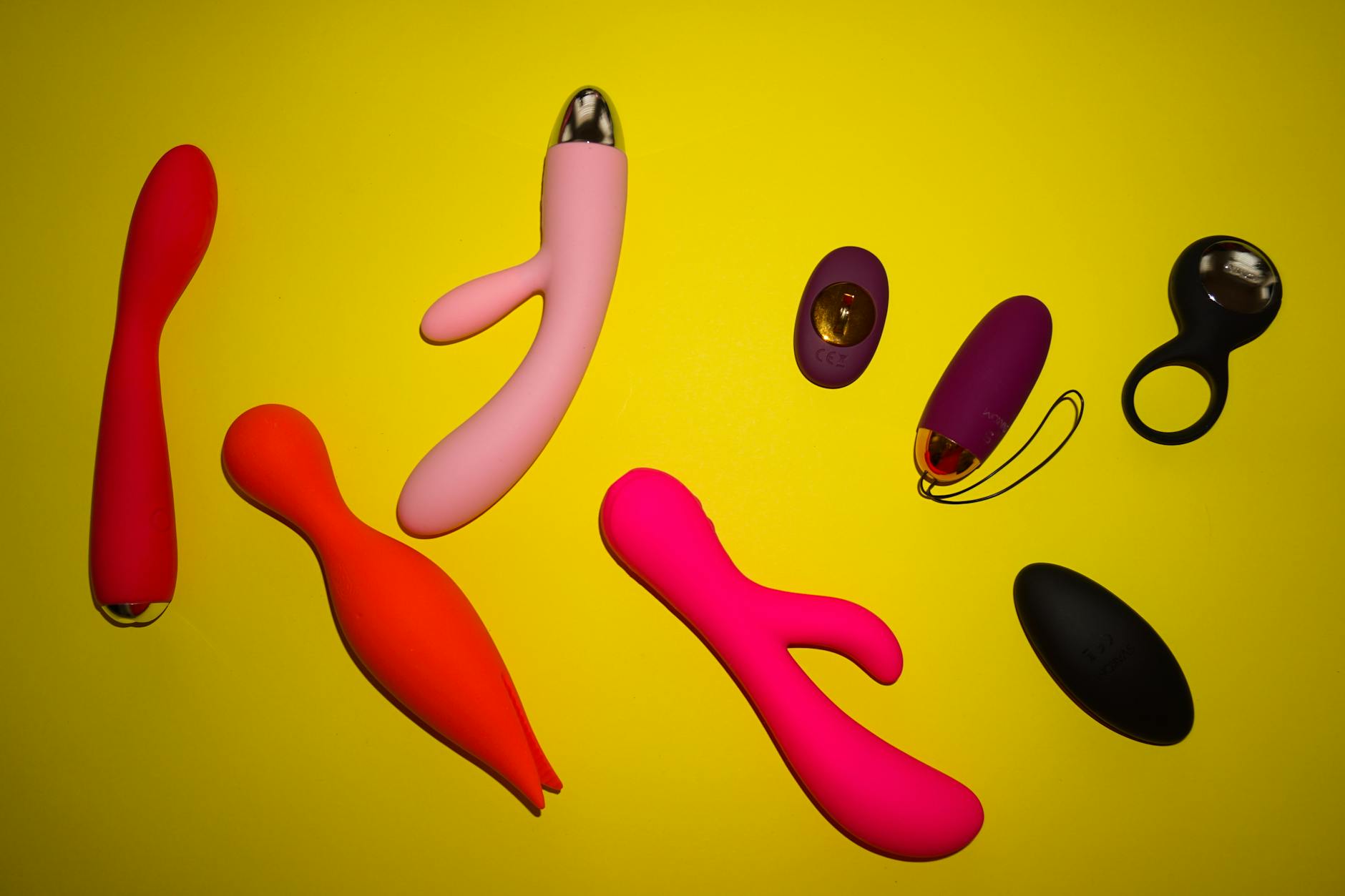
Let's be real about what happens after a breakup
Your body doesn't just lose a relationship. It loses a habit. For months or years, pleasure was something that happened with someone else. Your nervous system got used to that rhythm, that touch, that particular way of being desired. When that's gone, solo pleasure can feel weirdly hollow. Or guilty. Or like you're doing something wrong.
You're not. And rediscovering what feels good on your own terms is one of the most clarifying things you can do after a split.
The grief your body carries
This might sound dramatic, but it's clinical: breakups are losses, and your body grieves them the same way it grieves other losses. Touch-starved nervous systems go quiet. The nerve endings in your clitoris don't just switch off, but the context changes everything. You're not being touched because someone loves you. You're touching yourself because you're reclaiming something that was lost.
That's actually powerful. But it doesn't always feel that way at first.
Many people I work with describe solo pleasure after a breakup as feeling either numb or hyperaware. Some say their clitoris feels unreachable, like they've forgotten the map. Others say touching themselves feels like admitting something they're not ready to admit. All of these are normal. None of them are permanent.
Why air-suction vibrators change the game here
When you're rebuilding, intensity can feel overwhelming. A traditional vibrator demands precision. You have to find the exact spot, the exact angle, the exact rhythm. If your nervous system is already dysregulated from grief, that pressure can feel like homework instead of healing.
Lemon clitoral vibrators work differently. The suction sensation is gentler than direct vibration. It doesn't require perfect positioning. It feels less like stimulation and more like gentle pressure. That distinction matters when you're learning to trust your body again.
The suction also creates a different kind of sensation than what you might have experienced in your previous relationship. That newness can actually be grounding. It's not a replay. It's discovery.
Three phases of rebuilding
Phase one: Just being with the device. Don't aim for orgasm. Don't even aim for arousal. The first week, maybe just hold it. Charge it. Look at it. Learn its weight in your hand. Your nervous system needs to know this is safe, that it's yours, that there's no performance happening. This isn't wasting time. This is recalibration.
Phase two: Exploring without pressure. Turn it on. Start on the lowest setting. Move it around. Notice what makes you curious instead of what makes you feel good. Curiosity is permission. Good feelings are a bonus. You're teaching your body that solo pleasure is about information gathering, not reaching a destination. That paradox is where the healing starts.
Phase three: Building back to yourself. Once you've spent a few weeks with phases one and two, your nervous system will start asking for more. You'll notice your breath changing. Your body will lean in. That's when you can gradually turn up the intensity, try different patterns, spend time on what actually works for your body now, post-breakup. You might find you like things you never tried before. That's the gift of this moment. You get to rediscover yourself.
The emotional part nobody talks about
Solo pleasure after a relationship loss can unlock surprising emotions. Some people cry. Some feel euphoria. Some feel anger. Some feel nothing for a while, and then everything hits at once.
All of that is okay. Your body is processing. If you feel uncomfortable emotions during this time, that's not a sign you're doing it wrong. It's a sign that pleasure, for you, has been wrapped up with other people's approval for a long time. Untangling that takes time.
One thing I recommend: don't use solo pleasure as a distraction from grief. If you're using it to numb out or avoid feelings about the relationship, pause. Feel the thing first. Then come back to pleasure from a cleaner place. Your nervous system will thank you.
When to expect shifts
Most people notice something shift around week three or four of consistent (but pressure-free) exploration. Not necessarily orgasm. Maybe just a deepening of sensation. A sense of reconnection. Your clitoris has thousands of nerve endings. They don't disappear after a breakup. They just need a little time to remember that pleasure can exist without another person's involvement.
Some people find that lemon vibrators help them rebuild confidence in their bodies in ways that extend beyond sex. They start moving differently. They stand up straighter. They make better decisions in other areas of life. Your body's pleasure matters. When you believe that, other things shift too.
A word on guilt
If you feel guilty about solo pleasure, you're not broken. Women especially are trained to believe that pleasure is something we give away or receive, not something we claim for ourselves. A breakup is an invitation to unlearn that. Your pleasure doesn't belong to anyone but you. A lemon clitoral vibrator is one tool for remembering that.
Practical tips for rebuilding
Start with water-based lubricant. Your nervous system might not be producing much lubrication in the early grief phase, and that's not a failure of your body. It's just biology responding to stress. Lubrication helps sensation feel easier.
Set a timer. Give yourself 20 minutes with no other goal. If nothing happens, that's fine. You showed up. You explored. That's the win.
Turn off your phone. Grief likes to interrupt. Your attention needs to be on your body, not on whether anyone's texting.
If orgasm happens, celebrate it quietly. If it doesn't, that's okay too. Sensation is the goal right now, not climax.
The through-line
Rebuildingpleasure after a relationship loss is rebuilding trust in your body. It's saying: I was worth touch before, and I'm worth touch now. Not because someone else validates it. Because I matter. A lemon vibrator is just a tool for that conversation. But it's a good one.
You deserve to feel good. Not someday, when you've healed completely. Now. While you're still grieving. While you're still figuring things out. Your body isn't a project to fix. It's a home to return to.
Frequently asked questions
How long after a breakup should I wait before using a vibrator?
There's no standard timeline. If you're feeling the impulse, that's usually the right time. Some people need two weeks. Some need two months. Your nervous system will tell you. The question isn't when you're "allowed" to start. It's when you're curious enough to try without judgment. Start there.
What if I feel numb when I use a lemon clitoral vibrator?
Numbness is your nervous system protecting itself. That's a feature, not a bug. Keep exploring without expectation. The sensation will return. Sometimes it takes three weeks of gentle exploration. Sometimes it takes longer. Patience is the only thing that helps.
Can I use a lemon vibrator the same way I did in my relationship?
Probably not, and that's actually good. Your body has changed. Your context has changed. Your partner knew your body in a particular way. Now you get to discover it fresh. You might find you like different patterns, different intensities, different everything. That's healing, not loss.
What if using a vibrator makes me feel sad?
Greif likes to live in your body. Pleasure can unlock it. If sadness comes up, let it. You don't have to push through to climax. You can pause, feel, and come back another time. Solo pleasure doesn't always look like the movies. Sometimes it looks like gentle exploration while you process hard things. That's still valuable.
Is it normal to want different intensity levels at different times?
Completely normal. Your nervous system fluctuates with sleep, stress, cycle, and how much you're grieving that day. Some days you'll want the gentlest setting. Some days you'll want more intensity. Both are you. There's no "right" way to use a lemon vibrator. There's just your way.
How do I know when I'm ready to move on to partnered pleasure again?
When you can bring yourself pleasure without guilt, without numbness, and without using it as a distraction from grief. When your body feels like yours again, not like something that's still haunted by the previous relationship. That looks different for everyone. A therapist or coach can help you figure out your timeline.
One more thing
Your pleasure matters. Not because it will make you a better partner someday. Not because it's healthy (though it is). It matters because you matter. Right now, post-breakup, grieving, uncertain. You still matter. Your body still deserves good things. A lemon vibrator can be part of that reclamation. So can time, therapy, friends, sleep, and patience with yourself. Use all of it. You've earned it.
If you're struggling to rebuild confidence and connection more broadly after a breakup, reach out. We're here to help.