
Let's be honest about what a hormonal IUD actually does to sex
You got the IUD inserted, felt the cramps, and then about two weeks later realized your body wasn't responding to touch the way it used to. That's not in your head. A hormonal intrauterine device (like Mirena, Skyla, or Liletta) releases a steady, localized dose of levonorgestrel directly into your reproductive system. This is brilliant contraception. It is also a significant sensory shift.
Here's what I tell my clients: the IUD doesn't break your pleasure. It recalibrates it. And once you understand what's happening, you can work with your body instead of fighting it.
What hormonal IUDs actually change
Unlike oral birth control, which circulates hormones throughout your whole body, a hormonal IUD delivers hormones primarily to your uterus and surrounding tissue. About 80% to 90% of the hormone stays local. This means your systemic hormone levels don't drop as dramatically as they do on the pill. But locally, in your pelvis, the hormone concentration is intense.
Here's what shifts:
Vaginal lubrication. The hormone influences how your vaginal tissue responds to stimulation. For some people, this means less natural lubrication. For others, it's unpredictable. One day you're fine; the next, you're dry. This inconsistency is maddening because you can't prepare for it.
Clitoral sensitivity. The clitoris has hormone receptors. A hormonal IUD can dull sensitivity or, occasionally, make the clitoris feel oversensitive to direct touch. You might find that the vibration intensity you loved before the IUD now feels uncomfortable. Or you might feel numb and need stronger stimulation.
Arousal timeline. Many people report that it takes longer to get turned on after IUD insertion. Your brain still wants sex, but your body takes longer to catch up. This is profoundly frustrating and often gets misinterpreted as lower libido.
Orgasm texture. This is rarely discussed, but I hear it often: orgasms can feel flatter, shorter, or less full-body after IUD insertion. They're not gone. They're just different.
Pelvic floor tension. Some IUD users develop subtle tension in the pelvic floor muscles around the device. This can make penetration uncomfortable and also makes it harder for the clitoris to receive sensation effectively.
The good news: all of this is reversible. Most adjustment happens in the first three to six months. And while you're adjusting, the right tools make an enormous difference.
Why lemon clitoral vibrators work better during this transition
A lemon clitoral vibrator uses suction and pulsing stimulation rather than traditional vibration. This matters after IUD insertion for three specific reasons.
First, suction bypasses the sensitivity problem. If your clitoris feels numb, direct vibration might not register. Suction works differently. It creates a gentle pressure that pulls blood flow to the area and stimulates the internal bulbs of the clitoris, not just the surface. This means you can feel sensation even when external sensitivity is dampened.
Second, suction is easier to control. With a traditional vibrator, you're locked into one intensity level. With a lemon sucker like the Lem, you can adjust the suction strength. You can start at the gentlest setting while your body adjusts and build from there. This gradual approach works with your body instead of overstimulating an already tender area.
Third, it feels different enough to bypass expectation. Here's something psychological: your brain expected the old vibrator to work the way it did before the IUD. When it doesn't, you feel broken. A different tool with a completely different sensation breaks that mental loop. You're not comparing it to the before. You're discovering what this new body responds to.
Many of my clients tell me that after trying a lemon clitoral vibrator during the IUD adjustment phase, they reconnect with sensation faster than they expected. The tool doesn't fix the hormonal shift. But it creates a bridge back to pleasure while your body settles.
The practical adjustment timeline
Most people take one to three months to fully adjust to a hormonal IUD. Here's a realistic framework.
Weeks one to four. You're crampy. Sex probably sounds terrible. This is normal. Skip the vibrator entirely unless you want it. If you do use one, keep it light. Try your lemon clitoral vibrator on the lowest setting for very short sessions (five to ten minutes, once a week max). The goal isn't orgasm yet. The goal is to desensitize yourself to the fear that something is permanently broken.
Weeks four to eight. Physical discomfort eases. Now you're noticing the sensation shift. Your clitoris might feel numb or oversensitive. Try your lemon sucker at medium settings. Longer warm-up time helps. Budget twenty to thirty minutes just for arousal. Use plenty of water-based lubricant even if you don't think you need it. The lining of your vagina is thinner from the hormone, and lubrication helps reduce friction.
Weeks eight to sixteen. This is the window where most people regain baseline sensation. If you've been consistent with a lemon clitoral vibrator, you'll likely feel a clear shift in how responsive your body is. Orgasms start rebuilding their intensity. Arousal feels more direct. This is progress, even if you're not back to exactly where you started.
Beyond sixteen weeks. Your body has adapted. The IUD is settled, and your nervous system has recalibrated. Most people reach a new normal that's surprisingly similar to their pre-IUD baseline, sometimes even better because they've learned their body more deeply.
If you're well past this window and sensation still hasn't returned, check in with your gynecologist. Rarely, an IUD can be in a position that's causing nerve irritation. More commonly, there's something else going on (stress, medication change, relationship issue) that's getting blamed on the IUD.
What to do if a lemon sucker feels too intense
Start lower than you think you need to. The Lem vibrator has multiple settings for exactly this reason. Use it at pattern one for a few weeks. Sounds boring. It's actually smart.
If even the lowest setting feels overwhelming, try this: use it for two minutes, then take a break. Then two more minutes. Discontinuous stimulation is less overwhelming than sustained sensation while your body is recalibrating.
Lubricant is non-negotiable. A water-based lube makes the suction gentler and reduces any friction-related discomfort. Apply it generously.
If your partner is involved, tell them what's happening. Say something like: "My body's responding differently since the IUD. I need to go slower and rebuild sensation gradually. This isn't about you. I just need time." That conversation prevents a lot of hurt feelings and gives your partner permission to be patient with you.
The emotional piece nobody talks about
After an IUD insertion, many people feel a weird shame about the sensation shift. You chose this contraception. You knew it might affect sex. Why are you surprised? Why does it feel like a betrayal?
Because informed consent and lived experience are two different things. You can know intellectually that a hormonal IUD might change sensation and still feel shocked when your body doesn't respond the way it did yesterday. That shock is valid. That grief is valid.
Give yourself permission to feel both things at once: grateful for reliable contraception and frustrated that it changed your pleasure. Both are true.
Most couples I work with tell me that the adjustment period, once they stopped fighting it, actually deepened their intimacy. You learn your partner's body differently. You learn your own body differently. You have to communicate more explicitly about what feels good. For some people, that rebuilding is the best thing that happened to their sex life.
Quick troubleshooting
Orgasms feel impossible even after three months. This usually isn't the IUD alone. Look at stress, sleep, medication, and relationship dynamics. The IUD is part of the picture, not the whole picture.
Penetration hurts more than before. This can happen if the IUD is irritating nearby tissue or if the pelvic floor is holding tension around it. Tell your gynecologist. Don't just tolerate it.
You feel numb, but a lemon clitoral vibrator doesn't help. Try a different tool. Some people need broader, gentler stimulation. Some need more intense suction. The Lem works for a lot of people, but everyone's nervous system is different.
Your partner isn't being patient with the adjustment. This is a relationship conversation, not a body conversation. You might find it useful to talk to a therapist or coach about how to communicate your needs during this transition.
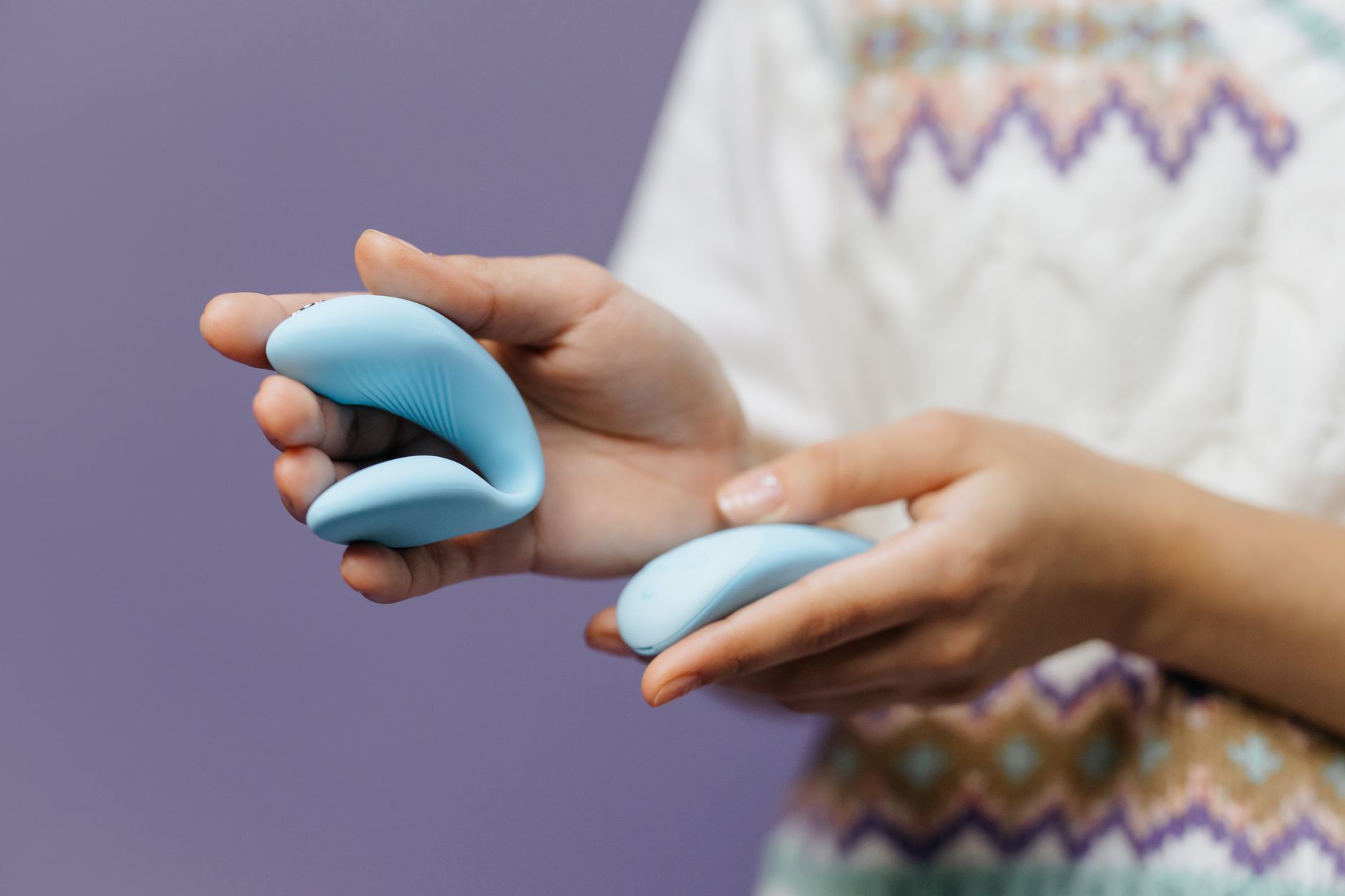
Photo by cottonbro studio on Pexels
Building pleasure back intentionally
Here's the framework I give my clients. It's the same whether you're using a lemon clitoral vibrator or any other tool.
Week one of using your tool: Focus on sensation, not orgasm. Use it for five to ten minutes. Notice what intensity level makes you go "huh, that's interesting" rather than "oh my god, yes." That's your starting point.
Week two to three: Gradually increase duration. Move up to fifteen minutes. Try two settings instead of one. Keep orgasm as a bonus, not the goal.
Week four onward: Build orgasm back in. Now you're using what you learned to reach climax intentionally. This is where a lemon sucker shines. The varying intensities on the Lem let you build arousal gradually and then push toward orgasm without shocking your system.
If you're working with a partner, involve them. Let them hold the toy. Let them control the intensity while you focus on receiving. This reconnects you emotionally while you're reconnecting physically.
A hormonal IUD is a sensible choice for long-term contraception. The sensation shift is real, temporary, and manageable. With the right information and the right tools, most people rebuild pleasure within a few months. You're not broken. You're just recalibrating. And that process, honestly, can teach you things about your body you wouldn't have learned any other way.
People also ask
How long does it take for sensation to return after an IUD insertion?
Most people regain baseline sensation within three to six months. The first month is usually the hardest because you're still cramping and hormones are settling. By week four to eight, physical discomfort eases and you start noticing the sensation shift more clearly. If sensation hasn't improved by six months, check with your gynecologist to rule out positioning issues or other complications.
Can you use a lemon vibrator right after IUD insertion?
Not ideally. The first two to four weeks, your body is healing and cramping. Using a vibrator might aggravate cramping and defeat the purpose of resting. Wait until physical discomfort settles before introducing any toys. Once you're past the acute cramping phase, a gentle lemon clitoral vibrator can actually help you reconnect with sensation.
Does a hormonal IUD permanently change your sex drive?
No. For most people, sex drive returns to normal once the body adjusts, usually within three to six months. However, if low libido persists beyond that window, it might be worth checking in with your doctor about IUD positioning or considering other factors like stress, relationship dynamics, or medication interactions. Some people also find that their libido actually improves once they stop worrying about the sensation shift.
Is it normal for the clitoris to feel numb after IUD insertion?
Yes, this is a common temporary response to hormonal changes. The clitoris has hormone receptors, and localized hormone exposure from an IUD can dull sensation. This almost always resolves on its own. If it persists beyond six months or gets worse, mention it to your gynecologist.
Should I tell my partner about sensation changes after the IUD?
Absolutely. A simple conversation prevents misunderstandings and speeds up the adjustment. Try something like: "The IUD is settling, and my body's responding differently to touch right now. It's temporary, and I want us to explore this together." Many partners respond by being more attentive and patient. It's also an opportunity to try new tools, like a lemon clitoral vibrator, that neither of you might have explored otherwise.
What if a lemon sucker feels too intense during the adjustment period?
Start at the lowest setting and use it for short sessions (two to five minutes) with plenty of water-based lubricant. You can also try discontinuous stimulation. Two minutes on, thirty seconds off, repeat. This trains your nervous system to accept sensation gradually. If the Lem still feels overwhelming, try a different toy with a gentler profile or work with a therapist on desensitization exercises.