Let's talk about what stress actually does to your body
When you're in the middle of a genuinely stressful period, pleasure often disappears first. Not because you stop wanting it. Your nervous system has essentially unplugged from that channel entirely. Your cortisol is high, your parasympathetic nervous system is asleep at the wheel, and your body has decided that orgasms are a luxury it can't afford right now.
This isn't a character flaw. This is physiology.
How chronic stress kills sensation
Here's the chain reaction: prolonged stress triggers the fight-or-flight response. Your adrenal glands pump cortisol and adrenaline. Blood flow redirects away from your extremities and toward your core. Your nervous system literally prioritizes survival over sensation. Add sleep deprivation, poor nutrition, and the mental load of whatever's actually stressing you out, and your clitoris becomes basically a stranger.
But here's the thing nobody says out loud: pleasure during high-stress periods isn't a distraction from the stress. It's medicine for it. Orgasms activate the parasympathetic nervous system. That's the rest-and-restore branch. A single strong orgasm can lower cortisol for hours, reduce inflammation, and give you actual, physiological relief.
The problem is getting there when everything feels numb.
Why lemon vibrators work when sensation has flatlined
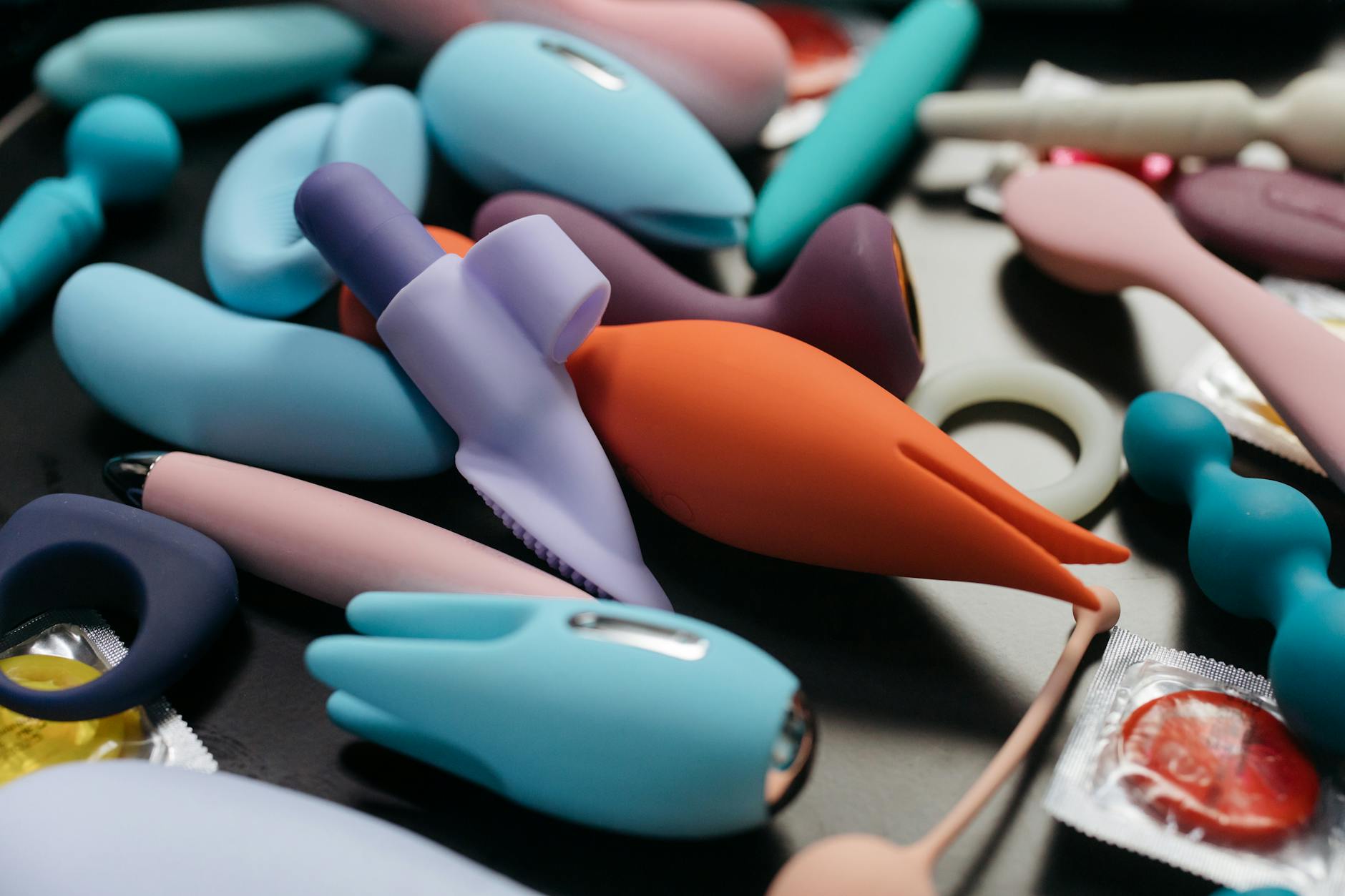
The suction-based design of lemon clitoral vibrators like the Lem operates on a different principle than traditional vibration. Instead of relying on your baseline clitoral sensitivity (which is shot when you're stressed), it creates a pressure wave that stimulates a much larger area of sensitive tissue. This is crucial when sensation feels muted.
Think of it this way: traditional vibrators need you to already be somewhat present and responsive. Lemon vibrators essentially reboot your nervous system by delivering stimulation your body can't ignore. The suction pattern works even when your clitoral sensation feels deadened.
This matters because during high stress, your body isn't just numb to pleasure. It's actively defended against it. A gentler approach often backfires. You get frustrated, self-critical, and you give up. The Lem's intensity cuts through that defensive barrier.
Step one: lower your internal resistance
Okay, so you're overwhelmed. You also feel guilty about taking 15 minutes for yourself when you should be handling the crisis. This guilt is the second biggest barrier after physiological numbness.
Here's what I tell my clients: during acute stress, pleasure is not selfish. It's load management. When your nervous system is maximally dysregulated, the only thing that will reset it faster than an orgasm is sleep. You deserve both.
Give yourself permission. Say it out loud if you need to. Not as some affirmation nonsense. As a tactical decision. Your stress management plan now includes this.
Step two: create minimal friction
During high-stress periods, activate energy is precious. You're not in the mood for a production. Keep it simple.
Remove barriers to entry. Charge your lemon vibrator fully the night before. Keep it on your nightstand. Clear 15 minutes where you don't have to be anywhere. Put your phone on do-not-disturb. One signal. One interruption. And your entire nervous system slams back into overdrive.
Use water-based lubricant. When you're stressed, your body isn't producing its own lubrication generously. The Lem works beautifully with lube, and adding it removes the friction (both literal and mental) of discomfort.
Step three: warm up longer than you think you need to
Stress makes you defensive. Your pelvic floor is probably tighter than it's been in months. Your nervous system is on high alert. You need more runway than usual.
Start with the Lem on pattern one or two. Spend five minutes just at that lower intensity. Let your body remember what it feels like to receive sensation. Don't chase the orgasm. That goal-oriented mindset is what you're trying to escape. Instead, focus on the sensation itself. The pressure. The rhythm. What your body is experiencing right now, not what it should be experiencing.
Most people find that after about five minutes at lower intensity, their nervous system begins to shift. Breathing deepens. Tension releases. Then you can increase intensity.
Step four: embrace interrupted sessions
Here's something nobody mentions: during high-stress periods, you might get partway through and lose the connection. This is normal. This is your nervous system still partially in defensive mode.
Don't treat this as failure. If you reach a place of release after ten minutes at medium intensity, that's still a parasympathetic hit. That still resets your cortisol. If you don't reach orgasm at all but feel noticeably calmer afterward, that's still a win.
I've had clients who needed three separate 10-minute sessions across three days to work back up to their normal pattern. The point isn't the performance of the orgasm. It's the nervous system reset.
Step five: track what actually helps
During the chaos of high stress, your stress management becomes guesswork. Add one data point: which patterns on the Lem feel best when your system is this dysregulated? Do you prefer steady pulse or varied rhythm? Do you need the wider suction or narrow focus?
Your pleasure preferences shift with your stress levels. A lemon sucker-style toy might feel too intense when you're barely functional. The next week, you might want maximum intensity to cut through your defense mechanisms.
Document this briefly. Not as a burden. Just a note. This becomes your personal stress-relief protocol.
When sensation stays blocked for weeks
If muted sensation persists beyond four or five weeks of stress reduction, it might not be stress alone. Certain medications (SSRIs, some blood pressure meds) reduce clitoral sensitivity. Undiagnosed hormonal shifts might be amplifying the stress response. Sleep deprivation at this level can create neurological dampening that takes weeks to resolve.
Talk to your doctor. Specifically about sexual sensation changes in the context of high stress. Most clinicians don't ask. You have to name it. And yes, it matters enough to address.
The nervous system does actually heal
One thing I see repeatedly in my practice: people believe that once stress kills their pleasure, it's gone for good. It isn't. Your nervous system has extraordinary plasticity. Within days of your stress level dropping, sensation returns. Sometimes stronger than before because you've worked to reclaim it.
The Lem exists partly for this reason. When your body won't cooperate with gentle approaches, a lemon clitoral vibrator gives you a tool that works anyway. You're not forcing yourself to be more sensitive. You're giving your nervous system a focal point strong enough to interrupt its own defensive pattern.
Pleasure during high stress isn't a luxury. It's a reset button for your physiology. Use it.
FAQ
Can using a lemon vibrator during high stress make my sensitivity worse?
No. Intentional, pleasure-focused stimulation trains your nervous system toward openness, not away from it. What can make things worse is forcing yourself to use a toy when you're so dysregulated that frustration sets in. If the Lem isn't working after two sessions, step back for a week. Your nervous system isn't ready yet, and that's information.
How often should I use my lemon sexual toy when I'm in a high-stress period?
Three to four times weekly is the sweet spot for nervous system recalibration. More than that starts to feel like another obligation. Less than that and you lose the compounding benefit of parasympathetic activation. Listen to your body. If it feels like medicine, you need it. If it feels like another chore, you're doing too much.
Does the Lem work differently when I'm extremely stressed versus mildly stressed?
Yes. When stress is acute and severe, you'll likely need to start at the Lem's lower patterns. Your sensitivity is suppressed, and lower intensity becomes a way to gently reintroduce sensation. As your stress normalizes, the same toy might feel less intense than it did when you were dysregulated. Your nervous system recalibrates quickly.
Is it normal to feel emotional during or after using a lemon vibrator when I'm stressed?
Completely normal. Pleasure during high stress can release tension you didn't know you were holding. You might cry. You might feel something shift emotionally. You might have random memories surface. Your nervous system is processing. Let it.
Should I tell my partner I'm using a lemon clitoral vibrator to manage stress?
That depends entirely on your relationship and communication style. Some partners feel excluded. Others feel relieved that there's a tool managing your dysregulation without them having to perform. If you share a bed, they'll probably figure it out anyway. The conversation is worth having before they wonder what you're doing. Frame it as what it is: a nervous system reset tool, not a replacement for partner intimacy.
Can I use a lemon sucker vibrator if I'm on antidepressants that reduce sensation?
Yes. In fact, the Lem's suction-based design often works better for people on SSRIs than traditional vibrators because it stimulates a broader area. That said, the medication itself might be the limiting factor. If sensation improvement is important to you, mention it to your prescriber. Sometimes timing, dosage, or medication choice can be adjusted without sacrificing the mental health benefit.