Let's name what's actually happening
You pick up your lemon vibrator. Your nervous system immediately says: this is selfish, this is wrong, this is something you should only do when your partner isn't home, this is not as valid as partnered sex. So you put it down.
This isn't about the toy. It's about a narrative you've internalized so deeply that it feels like your own thinking. Here's the thing: it isn't.
The guilt you're feeling is learned, not innate
Babies touch themselves. Toddlers discover their bodies without shame. Somewhere between age four and fourteen, most of us learn that solo pleasure is less important, less legitimate, or outright wrong. For some people it comes from religion. For others it's cultural messaging about what "good girls" or "good partners" do. For many it's just the ambient noise of living in a world that treats masturbation as a backup plan, not as a valid form of sexual expression.
Here's what research actually shows: solo sex is not a consolation prize. It's foundational. People who masturbate regularly report higher sexual satisfaction overall, better orgasms in partnered contexts, and a stronger sense of sexual agency. It's not a replacement for partnered sex. It's a separate category entirely, and it matters.
If you're in a relationship, solo pleasure isn't something you owe your partner permission to skip. If you're single, it's not something you're supposed to hurry through until "real" sex arrives. Your lemon vibrators aren't inferior tools. They're just different tools.
The specific guilt traps (and how to unhook from each one)
"I'm being selfish."
Masturbation is not selfish. Taking care of your nervous system, your sexual health, and your capacity for pleasure is basic maintenance. You shower. You eat. You sleep. This is the same category. Your partner benefits from you having a healthy sexual life, whether that includes them or not.
"My partner will feel rejected."
Solo pleasure and partnered sex are different experiences. You don't stop going to the gym because your partner can also run. You don't stop reading books because you sometimes talk to people. Same logic applies. In fact, partners often report that their person is more relaxed, more confident, and more orgasmic after establishing a regular solo practice.
"Good partners don't need to masturbate."
This one's worth sitting with because it's pervasive. The myth is that if your partner is "enough," you won't want solo sex. That's backwards. Good partners know their own bodies. They understand their own arousal. They come to partnered sex as a whole person, not as someone who's been waiting passively for permission to feel good.
"If I use a vibrator, real sex won't feel as good."
Your clitoris doesn't get bored. It gets smarter. Using a lemon vibrator, a lemon sucker, or any clitoral vibrator actually teaches your body what works, which makes partnered sex more satisfying, not less. You're building sexual literacy, not training yourself out of pleasure.
How to reframe solo pleasure as maintenance, not rebellion
One shift that helps: stop thinking of masturbation as a guilty secret and start thinking of it as sexual health maintenance. That reframe isn't semantics. It changes how you experience the whole thing.
You're not stealing time. You're investing in yourself. The same way you'd schedule a therapy appointment or a doctor's checkup. Your nervous system needs regular doses of sexual pleasure to function optimally. That's not philosophy. That's neurobiology.
When you're ready to pick up your lemon vibrator again, you might say to yourself: I'm taking care of my body. I'm learning what I like. I'm building confidence in my own pleasure. These are all true statements. They're also the opposite of selfish.
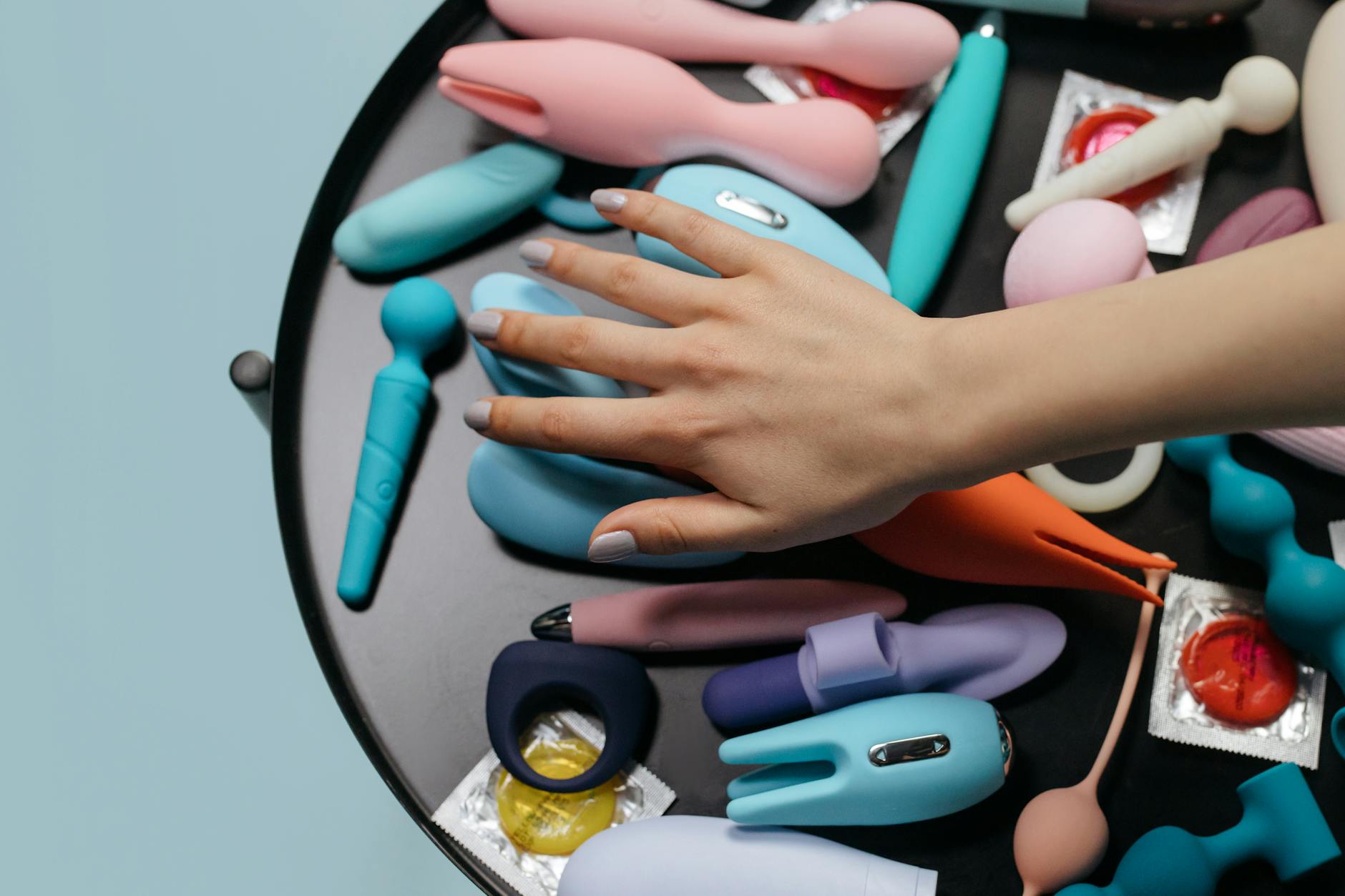
Photo by cottonbro studio on Pexels
The practical part: using your clitoral vibrator without the noise
Once you've reframed the guilt intellectually, your nervous system still needs to catch up. Here's what helps.
Start small. You don't need a 45-minute session. Fifteen minutes of solo time with your lemon vibrator, your lem vibrator, or whichever clitoral vibrator feels right—that's plenty. This isn't about performance. It's about consistency and pleasure.
Pick a specific time. Guilt thrives in ambiguity. If you decide: every Tuesday and Thursday evening after dinner, then it's a plan, not a stolen moment. Your brain relaxes when it's scheduled.
Set your phone to do not disturb. Guilt loves interruptions. Silence your phone. Close the door. Make it clear to yourself that this time is non-negotiable. That's not selfish. That's boundary-setting, which is the opposite of selfish.
Use lube. This is underrated. Adding water-based lubricant removes friction, which removes a layer of physical discomfort that can feel (mentally) like punishment. Your body deserves to feel good. Lubrication is part of that.
Start at a lower setting. If you're using a lemon vibrator or any suction-based clitoral vibrator from Helo Nancy's Lemons, beginning at pattern 1 or 2 gives your nervous system time to settle. Guilt makes you tense. Tension makes everything feel harder. Start easy and build.
Pay attention to what happens after. Notice how you feel when you're done. Most people report clarity, relaxation, better mood, less anxiety. Your nervous system is supposed to feel better after sexual pleasure. If you're feeling shame instead, that's the guilt talking, not your actual body. Keep going. The shame fades when the practice becomes routine.
If you're partnered, the conversation is worth having
Solo pleasure doesn't replace partnered sex. It complements it. If you're with someone, they deserve to know this. Not because you need permission, but because transparency builds trust, and trust builds better sex.
You might say something like: I'm prioritizing my sexual health by exploring solo pleasure regularly. This actually makes me more present with you, not less. If your partner reacts with possessiveness or insecurity, that's real data about compatibility. It's not data that you're wrong for wanting this.
A secure partner gets it. A mature partner understands that your orgasms don't belong to them. Your body doesn't exist primarily to pleasure them. You exist to pleasure yourself, and they get to participate in that sometimes. That's the arrangement.
If you're single, there's no negotiation needed. This is just your baseline sexuality. Your lemon vibrators aren't a placeholder for "real" sex. They're your actual sex life. Treat them that way.
The guilt will probably come back. That's normal.
You're not going to reframe this once and be done. Guilt has decades of momentum. Some days you'll pick up your clitoral vibrator and feel completely clear. Other days the old voices will return. That's okay. The practice is returning anyway.
Over time, the guilt becomes background noise. Then it becomes almost inaudible. You'll be using your lemon vibrator, enjoying your orgasm, and realize halfway through that you haven't thought about shame in months. That's when you know it's working.
Your pleasure matters. Not because it serves anyone else. Not because it's productive or noble. It matters because you're alive and your body is capable of feeling good, and that's enough.
People also ask
Is masturbation healthy, or does it interfere with partnered sex?
Masturbation is healthy. Regular solo sex actually improves partnered sex because you understand your own body better, you're more confident in what you like, and you come to intimacy as a whole person rather than someone dependent on a partner for pleasure. Studies consistently show that people who masturbate report higher sexual satisfaction both alone and with partners. The two aren't in competition.
How often should I use a lemon vibrator or clitoral vibrator for pleasure?
There's no universal frequency. Some people feel best with solo pleasure three or four times a week. Others prefer once a week. Some find daily practice helpful. Pay attention to how your body and mood respond. More frequent isn't always better. What matters is consistency and the absence of shame. If you're using your lemon sucker or lem vibrator out of guilt or compulsion, that's different than using it out of genuine desire. The goal is pleasure, not performance.
Can guilt about masturbation actually reduce the pleasure I feel?
Absolutely. Guilt triggers your sympathetic nervous system, which is your fight-flight-freeze response. Pleasure requires your parasympathetic nervous system, your rest-and-digest state. When you're wrapped in shame, your body can't fully relax into sensation. This is why reframing matters so much. Removing the guilt removes a physiological barrier to orgasm.
What if my partner makes me feel bad about solo pleasure?
That's worth examining. A secure partner respects your sexual autonomy. If someone is policing your masturbation, controlling when you're "allowed" to pleasure yourself, or framing your solo sex as betrayal, that's controlling behavior. You have the right to know your own body and to experience sexual pleasure independently. If your partner can't respect that boundary, that's information about the relationship, not about whether your pleasure is legitimate.
How do I explain to a partner why I want to explore solo pleasure?
You don't owe extensive justification, but clarity helps. You might say: I want to prioritize my sexual health and understand my body better. Solo pleasure isn't about you or about our sex life being insufficient. It's about me investing in myself. A partner who gets it will understand. Someone who doesn't may need to work on their own insecurity, which isn't your responsibility to fix.
Will using a lemon vibrator make partnered sex feel less satisfying?
No. Your clitoris doesn't get desensitized to partnered touch because you've used a vibrator. What actually happens is the opposite: you become more attuned to what brings you pleasure, more confident asking for it, and more present during partnered sex. Your lemon vibrator or any clitoral vibrator from Helo Nancy's Lemons is teaching you about yourself. That knowledge translates directly into better intimacy with a partner.
Final thought
Your guilt about solo pleasure isn't a moral compass. It's inherited noise. You can set it down without becoming a worse partner, a worse person, or a worse lover. In fact, you become better at all those things when you reclaim your own pleasure as valid, non-negotiable, and entirely yours.
Pick up your lemon vibrator. Use it. Feel good. Do it again next week. That's not selfish. That's self-respect.