
Here's what nobody talks about
Orgasms aren't supposed to feel flat. When they do, the instinct is to blame yourself. You're not turned on enough. You're too stressed. Your body doesn't work right anymore. But shallow sensation usually has a concrete reason, and once you understand it, you can fix it.
I've worked with dozens of people who experienced a shift from deep, full-body orgasms to something that feels like a brief surface-level flutter. It's disorienting because your capacity hasn't changed. The wiring is still there. Something is just getting in the way.
Why orgasms lose depth
An orgasm's intensity depends on three things: blood flow to the clitoris, nerve activation, and pelvic floor engagement. When any of those three weakens, you feel it immediately as shallowness.
Here's what typically causes it:
Stress and tension. The pelvic floor holds onto stress like a clenched fist. When you're anxious or overwhelmed, those muscles tighten involuntarily, restricting the nerve signals that create deep sensation. This is probably the most common cause I see.
Changed stimulation pattern. If you've been using the same method for years, your nervous system adapts. It's not damage. It's just neural habituation. Your body needs novelty or variety to feel the same intensity.
Reduced blood flow. Anything that impacts circulation affects arousal. That includes blood pressure medication, smoking, dehydration, and yes, aging. The clitoris relies on increased blood flow to become fully engorged. Less engorged tissue means less depth.
Pelvic floor weakness or overactivity. This one is paradoxical. Sometimes the pelvic floor is too tight (overactive), which prevents the rhythmic contractions needed for deep orgasms. Sometimes it's weak, which means it can't build and release the tension that creates intensity.
Disconnection during sex. Shallow breathing, distraction, or numbness during stimulation means your nervous system isn't fully engaged. You're physically present but mentally or emotionally checked out.
Why lemon clitoral vibrators help rebuild depth
Lemon vibrators, especially a device like the Lem, use air-pulse technology rather than traditional vibration. That's important here because it works differently on your nervous system.
Instead of a vibrating buzz that stays on the surface, air-pulse suction engages deeper nerve clusters around the clitoral body and tissue below the surface. The sensation feels more layered. It creates what I call "stacked stimulation." You feel it superficially and also deeper, which trains your nervous system to recognize and amplify depth again.
The other advantage is control. Traditional vibrators have one mode or a limited range. With the Lem, you can start at a gentler intensity and gradually build, which gives your body time to fully engorge and your nervous system permission to relax into sensation rather than brace against it.
The technique that actually works
Shallowness often means your body is bracing. So the first step is the opposite of what you'd think. You slow down.
Start with breathing work. Spend three to five minutes before you even touch yourself doing deep belly breathing. In for four counts, hold for four, out for six. This signals safety to your nervous system and relaxes the pelvic floor. Skip this and you're fighting tension the whole time.
Begin at the lowest setting. Don't jump to intensity. Start the Lem at level one or two. The goal right now isn't to orgasm fast. It's to teach your body that sensation can be gradual and layered.
Focus on the entire clitoral area, not just the tip. Most people concentrate stimulation only on the glans (the visible tip). But the clitoral body extends inside your body, around the urethra and down into the tissue. Experiment with angling the Lem slightly differently or moving it in small circles to find where sensation feels deepest. That's usually not where you expect.
Stay at one intensity for two to three minutes. Resist the urge to keep increasing. Let your body adjust. Notice where you feel it. Notice the texture of the sensation. This is your nervous system re-learning depth.
Then slowly progress upward. Once you've built arousal with gentle stimulation, gradually increase the intensity. The key word is gradually. One level at a time. Pause between increases. This is different from the rushing approach most people use.
Engage the pelvic floor intentionally. Around the point where you're building toward orgasm, start doing Kegel contractions on rhythm with the stimulation. Squeeze for two counts, release for two counts. This activates the same muscles that create depth. It's not enough to contract randomly. Make it rhythmic.
What kills depth (and how to avoid it)
Anxiety about the orgasm itself kills it faster than almost anything. The moment you start thinking "Will this feel good enough?" or "Why isn't this working?" you've disconnected from sensation. Your prefrontal cortex is now running the show instead of your nervous system.
Same thing happens if you're distracted by your phone, a partner's presence, or worry about time. Deep sensation requires presence.
Numbing emotion also flattens sensation. If you're having sex while feeling resentful toward your partner, or if you're being intimate while grieving something, your nervous system turns down sensation as a protective measure. That's not broken. That's your body doing its job. But it means the orgasm will feel muted.
Dehydration and low blood sugar reduce blood flow, which directly reduces depth. Before a session, drink water and eat something with protein.
Using the same toy the same way every single time numbs your nervous system to it. If you've been using a lemon vibrator exclusively at level five for a year, try starting at level two next time. Novelty restarts sensitivity.
When to bring a partner in
If you're in a relationship, rebuilding depth sometimes involves the other person. Not always, but sometimes.
The most common issue I see is that partners are still using the old, fast approach because they don't realize sensation has changed. If your partner has always moved quickly to intensity because that's what used to work, you need a conversation: "I've noticed orgasms feel different now. I need more time building up and I want to try a gentler approach at first."
If a partner is present but creating performance pressure (like they're watching to see if it's working), that kills depth instantly. Sometimes solo exploration with the Lem first is the right move. Rebuild depth alone, then integrate a partner once you've rediscovered what deep sensation feels like.
The timeline (what's realistic)
You won't restore depth in one session. Your nervous system needs time to retrain. Most people notice a real shift within seven to ten days of consistent practice. By three weeks, the change is usually obvious.
During that time, don't abandon the Lem if it doesn't feel perfect immediately. Shallow sensation took weeks or months to develop. Rebuilding takes patience too.
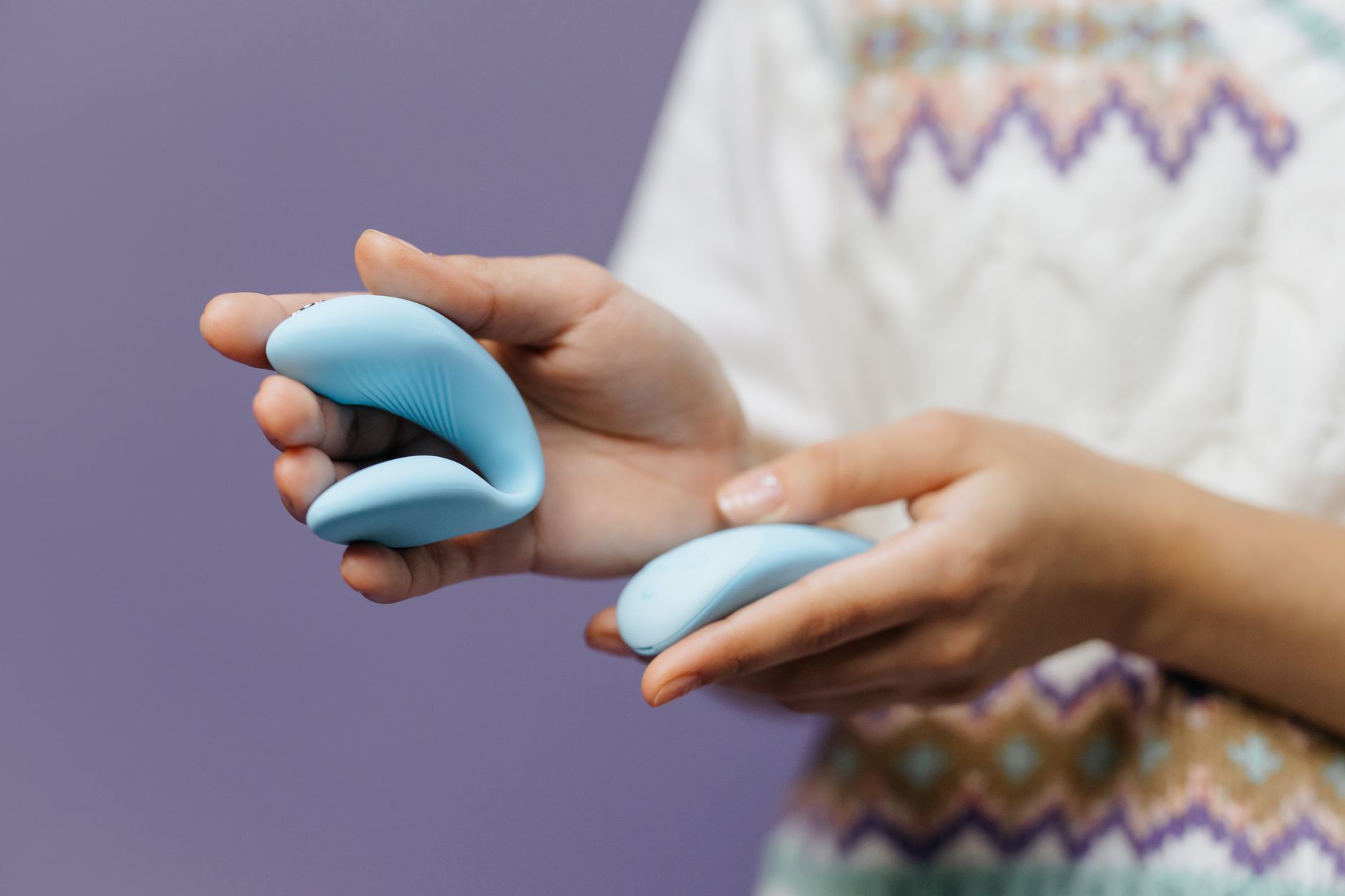
Photo by cottonbro studio on Pexels
When sensation stays shallow
If you've been consistent for four weeks and nothing has changed, something else might be at play.
Certain medications flatten sensation permanently. SSRIs (antidepressants), blood pressure meds, and antihistamines can all reduce orgasm intensity. Talk to your prescriber about timing. Sometimes taking medication after sex instead of before makes a difference. Sometimes switching to a different class of medication helps.
Pelvic floor dysfunction (whether overactive or weak) sometimes needs professional support. A pelvic floor physical therapist can assess what's happening and give you targeted exercises. This isn't failure. It's like physical therapy for any other muscle group.
Emotional disconnection from your partner or from your own sexuality can also keep sensation muted. If that's the case, the Lem is a helpful tool, but the deeper work is relational or psychological. That's where therapy comes in.
If you're recovering from sexual trauma, shallow sensation is often a protective response. Work with a trauma-informed therapist alongside exploring tools like the Lem. Your nervous system is doing what it's supposed to do.
FAQ
Can shallow orgasms mean I'm losing sexual response forever?
No. Shallow sensation is almost always temporary and fixable. Your nervous system is just in a protection pattern. Once you understand why and shift the approach, depth returns. I've worked with people in their 20s and their 60s who thought orgasms were gone for good, and they came back stronger than before.
Does the Lem work better than other lemon vibrators for rebuilding depth?
The Lem's air-pulse technology engages deeper nerve tissue better than standard vibration, which is why it's particularly useful for rebuilding intensity. The Uno or Berri vibrators offer different sensations and can work too, but they're straight vibrators rather than sucking stimulation. If you're specifically trying to restore depth, the Lem's layered sensation is the better choice.
What if my partner finds the Lem weird or intimidating?
Most partners are actually relieved when they learn the Lem exists. If you're struggling with shallow sensation and your partner doesn't know why, it creates blame and frustration. A clitoral vibrator isn't a replacement for them. It's a tool that helps your body respond more fully, which usually makes partnered sex better for both of you. Show them the evidence. Some partners even want to learn how to use it together.
How long should I use the Lem before I expect to feel deeper sensation?
Three to seven days of consistent use, and you'll notice a shift. By two to three weeks, it should be obvious. If you only use it sporadically, the effect will be slower because your nervous system needs repetition to retrain. Daily or every-other-day is ideal for rebuilding.
Is shallow sensation a sign something is physically wrong?
Usually not. It's much more often a nervous system pattern than a structural problem. But if it comes with pain, unusual discharge, or other physical symptoms, see a gynecologist just to rule things out. In most cases, the answer is behavioral and nervous system based, not medical.
Can stress alone cause shallow orgasms?
Absolutely. Stress tightens the pelvic floor and triggers the sympathetic nervous system (fight or flight), which suppresses parasympathetic activation (the system required for arousal). If you're in a high-stress period and notice shallowness, stress management alone might be enough. But combining that with the Lem technique above speeds recovery.
The deeper conversation
Shallow orgasms often show up as a sign that something else in your life needs attention. Sometimes it's stress. Sometimes it's disconnection from a partner. Sometimes it's not making time for pleasure anymore.
The good news is that rebuilding depth isn't just about technique. It's about giving yourself permission to prioritize sensation, to slow down, to explore your body without judgment.
A lemon clitoral vibrator like the Lem is a tool that makes that permission concrete. But the real work is deciding that your pleasure matters enough to spend time on it.
Once you do, depth usually comes back quickly. Your body hasn't forgotten how. It's just waiting for the right conditions to respond again.
If you're struggling with sensation shifts in a relationship, consider having a conversation with your partner or reaching out for support. Evelyn Granieri specializes in helping couples navigate exactly these kinds of intimate transitions. You don't have to figure this out alone.
Get in touch with us if you have questions about how to use any Helo Nancy's Lemons products, or if you want personalized recommendations for rebuilding sensation.