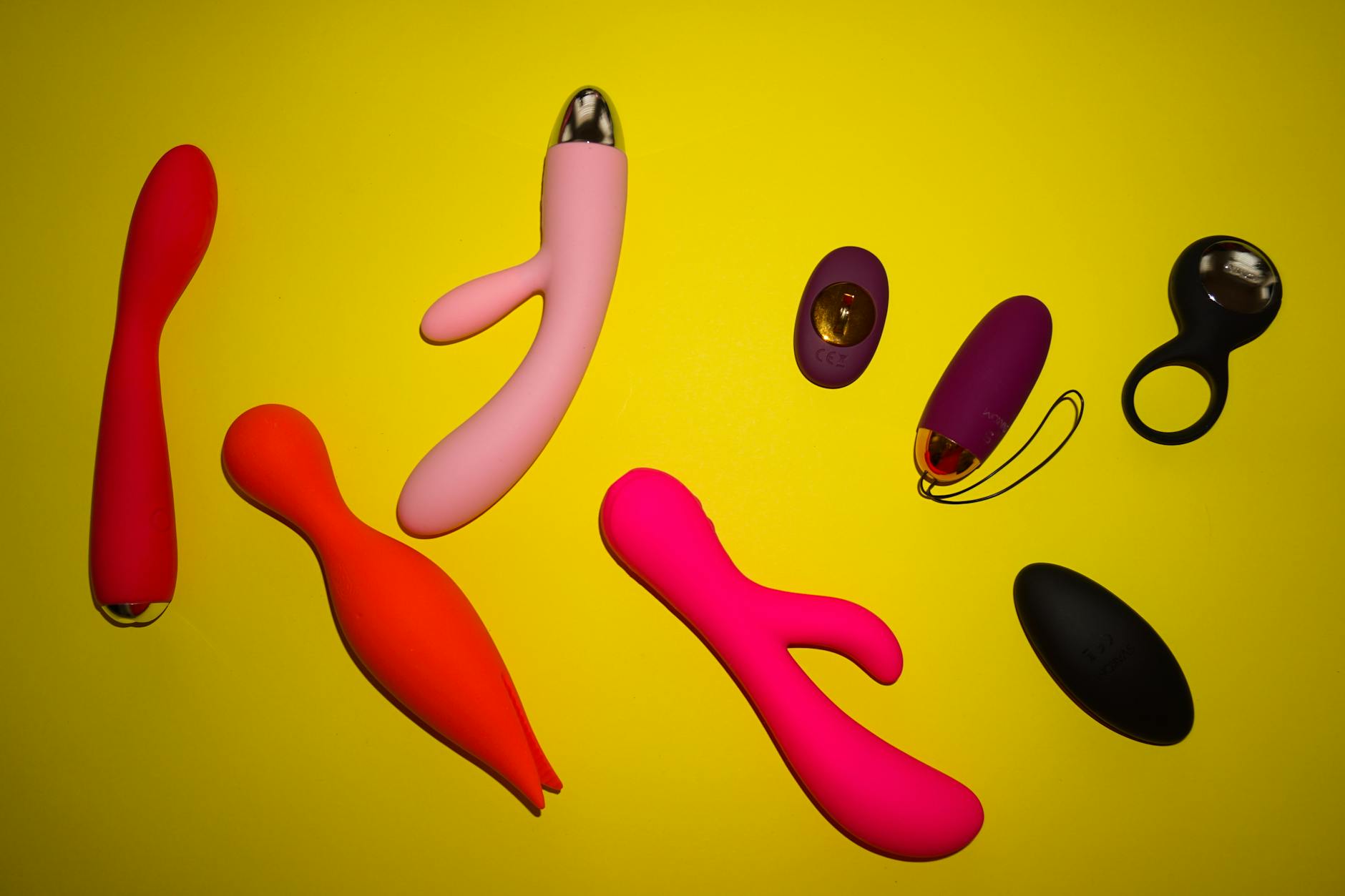
Here's what nobody tells you about new relationships and pleasure
When you're intimate with someone new, there's a silent negotiation happening. You're trying to figure out what they like. They're trying to figure out what you like. Everyone's worried about seeming too eager, not eager enough, or—worst of all—weird. The actual mechanics of pleasure get buried under layers of performance anxiety.
That's where a lemon vibrator changes things. Not because it's magic, but because it's honest.
Why introducing a vibrator early matters (and feels less risky)
Most people assume vibrators are a sign that something's "wrong." That's backwards. Introducing a clitoral vibrator like the Lem to a new partner actually does two things simultaneously: it removes the guesswork and it signals that you know your own body. Both of those are deeply attractive.
Here's what I see in my practice. People who bring a vibrator into early intimate play report less anxiety, faster orgasms, and significantly better communication with their partner. Why? Because you're not trying to make it happen through willpower. You're using a tool that works, which means your brain can actually focus on connection instead of "Is this taking too long?"
The Lem specifically is a clitoral suction vibrator, which means it works through gentle air-pulse technology rather than direct vibration. For new partners, that's valuable because it's less intense on entry, it feels different from typical vibrators (so it feels like you're exploring together rather than you already having a fixed routine), and it's genuinely pleasurable without requiring a ton of adjustment time.
The conversation before you bring it up
Timing matters. You don't want to ambush someone. But you also don't want to make it into a formal presentation. The sweet spot is casual and early.
I recommend bringing it up once you know you're going to be intimate but before you're in bed. Maybe over dinner or while you're getting ready. "I like using toys" lands better than waiting until the moment and producing one from your drawer like it's a surprise.
Honestly though, the language you use matters less than the energy you bring. If you say it like it's totally normal and good (because it is), your partner will feel that. If you're nervous or apologetic, they'll mirror the nervousness back.
Try: "I have a vibrator I really like. Would you be open to us trying it together?" That's direct, it includes them in the decision, and it positions the toy as part of your shared experience.
How to actually introduce it into foreplay
Don't lead with it. This is crucial. You want at least 10-15 minutes of regular touch first. Kissing, skin contact, normal intimacy. This does two things: it gets you both aroused so your body is actually responsive to the toy, and it lets your nervous system settle into trust with this new person.
Once you're comfortably aroused, integrate the vibrator gradually. Start with it on the lowest pattern. This isn't the time to go straight to pattern 5. You want your partner to see how your body responds and feel like they're part of creating that response, not watching you disappear into your toy.
If your partner is touching you during this, they can hold the Lem while you guide their hand. This keeps them involved and prevents the dynamic where you're just using the toy while they watch. Shared action creates shared investment.
What happens if it feels awkward (it might, and that's fine)
Not every first attempt feels seamless. Maybe the angle is weird. Maybe someone gets in their head. Maybe the sensation is different than expected. That's normal and it's actually useful information.
If things feel uncomfortable, the move is to pause, not to power through. "This isn't quite working. Let's try a different position" or "I want to go back to just your hands for a minute" are completely fine statements. In fact, they're the foundation of good communication.
What you're building here isn't just orgasm. You're building a pattern where both of you feel safe saying "that's not working" and trying something else. That pattern transforms everything that comes after.
Why the Lem specifically works better for new partner intimacy
I mention the Lem because it has properties that suit this dynamic. The suction technology creates sensation that feels distinct but not overwhelming. It's quieter than bullet vibrators, so if you're in an apartment or worried about noise, it's gentler on both of you psychologically. And the shape lets a partner hold it and still have their other hand free for you, which keeps the experience collaborative.
That said, any clitoral vibrator can work. What matters is that it's something you've already used before, so you know how to work it, and something you genuinely like. Your authentic pleasure is contagious. Your partner will feel the difference between "I'm trying this because I read an article" and "I actually love this and want to share it."
The emotional part (which is actually the whole point)
Introducing pleasure tools with a new partner is partly about physical sensation. But mostly it's about vulnerability. You're saying "Here's what makes me feel good, here's what I need, here's what I want." That's not small.
Your partner's response matters. A partner who's curious, willing to adjust based on your feedback, and happy that you feel good is showing you something about how they approach intimacy. That's useful data for deciding if you want to keep going with this person.
Conversely, if a partner shuts down the conversation or makes it awkward, that's also information. Someone who can't handle the fact that clitoral vibrators exist or that you enjoy your own pleasure might not be equipped for the deeper emotional communication intimate relationships require.
Building a rhythm that works for both of you
Once you've done it once, the second time is easier. You know what works. You know your partner isn't weirded out. You can actually relax and enjoy it.
Over time, you might find rhythms. Maybe you use the Lem for solo pleasure on Tuesday but save partner intimacy for without-toys. Or maybe you weave it in regularly. Or maybe it becomes something you use when you want a specific kind of orgasm that builds differently. None of those is right or wrong. They're just different textures in your intimate life.
The point is that by introducing a vibrator early and directly, you're creating space for communication. And communication is the actual foundation. The vibrator is just the tool that opens the conversation.
FAQ: Starting vibrator use with new partners
Will using a vibrator make my partner feel inadequate?
Only if you frame it that way. If you position it as "I want to feel this together with you" rather than "You're not enough," the context is completely different. A partner who cares about your pleasure will be more interested in what makes you feel amazing than defensive about a tool.
What if my new partner has never used a vibrator before?
That's actually often easier. They're not comparing the Lem to their ex's experience with toys. They're just experiencing it fresh. Give them a moment to hold it, feel the weight, see how it works. Curiosity goes a long way.
Can I use a lemon vibrator while they're inside me?
Physically, yes. The Lem can be used on the vulva during penetrative sex. Practically, it depends on position and comfort. But this isn't something you need to figure out on night one. Start simple. Once you're both confident with the toy solo and together, you can explore combinations.
What if I want to use the vibrator but they want to use it on me instead?
Let them. Handing over control can feel really intimate, and it gives your partner a way to directly create your pleasure. The goal is mutual comfort and exploration, not a specific script.
How do I know if I'm using the vibrator right with a partner present?
You feel good and you're communicating. That's it. There's no wrong way to use a lemon clitoral vibrator with someone you're intimate with. The process is the point, not perfect technique.
Should I mention that I own vibrators before we get intimate?
Timing depends on your instinct, but somewhere between "we're definitely going to be intimate" and "we're in bed right now" is ideal. Over dinner, getting ready, right before, all of those work. The goal is matter-of-fact, not surprise.
The real point
New relationships are vulnerable. You're learning someone's body, they're learning yours, and you're both trying to figure out if this person is worth the emotional risk. Bringing a vibrator into that early doesn't complicate things. It clarifies them. You get real information about whether your partner is curious, responsive, and genuinely interested in your pleasure. And you get to feel good while you're figuring it out.
That's not a bad foundation. That's actually the foundation that lasts.