When your partner shuts down about sex, the problem isn't always resistance
Let's be real. If your partner won't talk about pleasure, won't look at toys, changes the subject when you bring up intimacy, there's a story there. Maybe they were raised in a shame-heavy environment. Maybe past partners made them feel judged. Maybe they're anxious about performance or worried that wanting a toy means there's something wrong with them. Or maybe they're afraid that talking about sex will expose something they don't want to see.
None of those stories gets solved by having a serious conversation first. In fact, most people who resist sex talk will shut down harder if you try to force the dialogue before they feel safe.
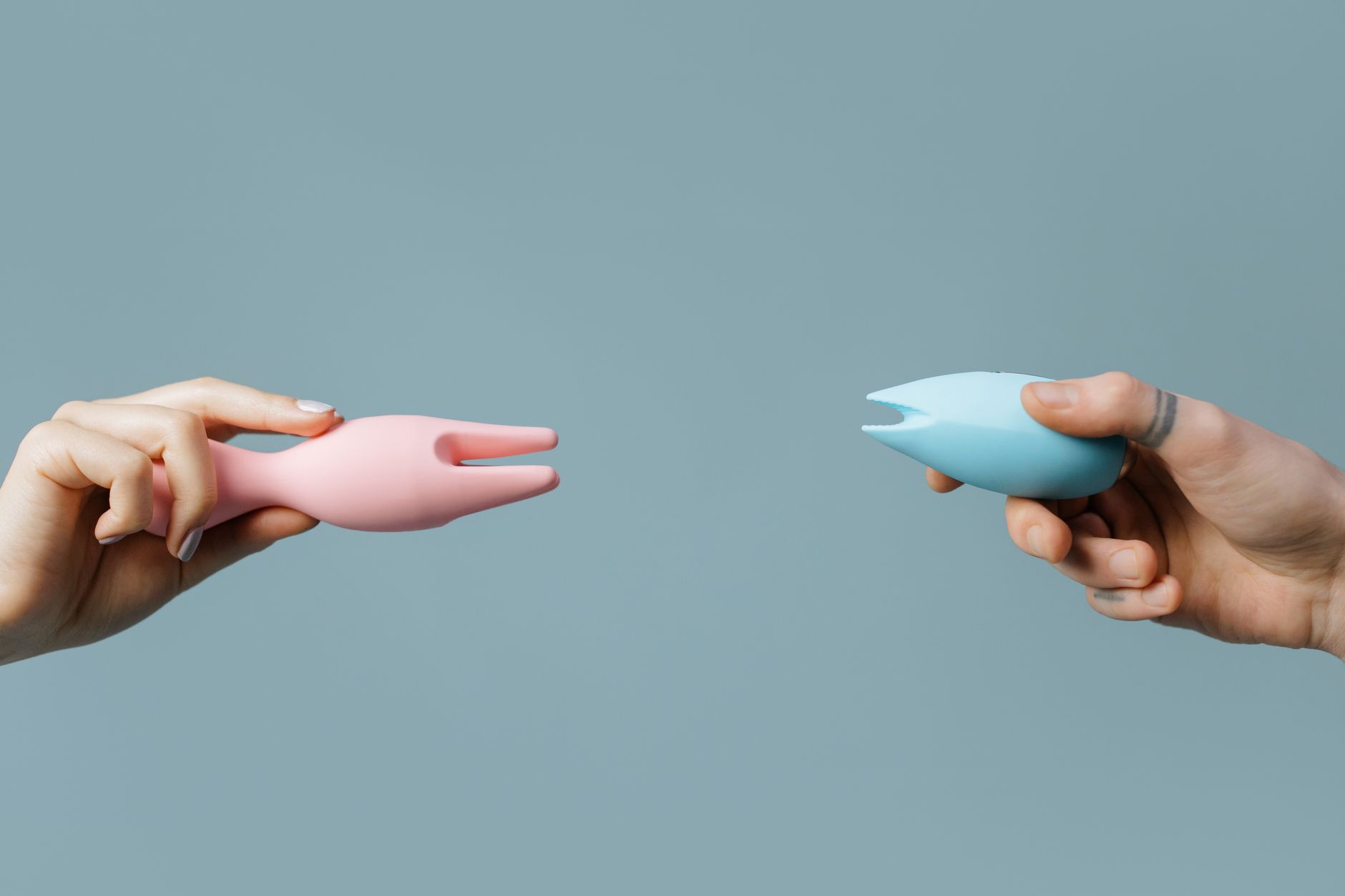
Helo Nancy's Lemons clitoral vibrators, especially the Lem, work differently in this scenario. Instead of being a "let's talk about this" tool, they become a gentle entry point. A way to show your partner that pleasure isn't shameful, clinical, or threatening. It's just... sensual. Simple. Normal.
Here's how to actually use lemon vibrators when your partner has built walls around the whole topic.
Start with your own pleasure, not theirs
This is the counterintuitive part, and it's crucial. When someone resists talking about sex, trying to introduce a toy "for us" or "for you" often backfires. It feels like pressure. Like you're saying something is wrong. Like you're trying to change them.
Instead, use a lemon sucker or clitoral vibrator on yourself. Solo. While they're in the house, or at least while they know you're doing it. Don't hide it, but don't perform it either. Just... normalize it.
Many partners who resist sex talk are actually fine with their partner having solo pleasure. They just haven't made the connection that it could be something shared. By using lemon vibrators privately first, you're doing two things at once: you're getting pleasure (which is your right), and you're showing them that sex tools aren't weird, scary, or a sign of relationship failure.
Let curiosity be their entry point, not conversation
When you're using a vibrator openly, your partner will notice. They might ask, "What's that?" or they might just... watch. Both are openings.
If they ask, the answer isn't a speech. It's a sentence or two: "It's a lemon vibrator. I like how it feels." That's it. You're not explaining anatomy. You're not making it a big moment. You're just... answering a question.
If they don't ask, that's okay too. Seeing you enjoying your own body without shame does something quiet and powerful. It tells their nervous system that pleasure is safe.
Over time, some partners will ask to watch. Some will ask to try. Some will just start asking how it feels, or what you like about it. The key is you're not pushing the conversation. You're just existing with your pleasure, and they get to respond at their own pace.
If they do ask to touch or try it, here's the sequence
Let's say your partner becomes curious. Maybe they ask if they can hold it while you use it. Maybe they ask what happens if they try it on you. This is the moment you've been patient for.
Don't overthink it. Your job is to make it feel casual and normal, which means you probably feel excited (which is fine), but you respond like they just asked where you put the keys.
If they want to hold it and watch you use it, let them. No narration needed. Just enjoy yourself. They'll see your genuine response, and that's worth more than any explanation.
If they want to try it on you, start at the lowest setting. Most lemon vibrators have multiple patterns, and someone who's never used one before usually needs time to adjust to any vibration at all. Let them explore at their own speed.
This is where the design of tools from Helo Nancy's Lemons actually matters. The Lem is intuitive. It doesn't require a manual. They turn it on, they feel what it does. You respond. No mystery, no anxiety.
The moment they'll probably get uncomfortable (and what to do)
Somewhere in this process, your partner will likely get awkward. They might stop, laugh nervously, make a joke, or suddenly want to do something else. This isn't failure. This is their nervous system hitting a limit.
When this happens, don't push through it. Don't say, "We were just getting started." Don't make them feel guilty for the boundary. Just stop, and say something like, "That was nice. Thanks for trying." Then move on.
This is counterintuitive, but it works. When you respect their boundary without making them feel bad about it, you're showing them that pleasure exploration doesn't require shame or pressure. Next time will be easier.
Use the toy as a bridge to actual conversation (not the start)
Here's the thing nobody tells you: you don't have a conversation about pleasure first. You have an experience first, and the conversation comes later.
Once your partner has felt a lemon vibrator, once they've seen you enjoy it, once they've experienced you receiving pleasure without judgment, the actual talking gets easier. They've already proven to themselves that it's not as scary as they feared.
Then, when you do talk, it's not abstract. You're talking about something real. "I liked when you..." or "That felt good because..." Specifics. Actual information. Way less shameful than talking about desire in the abstract.
This is also when you can ask questions without triggering their defenses. "What did that feel like for you?" "Would you want to try a different pattern?" "Do you want me to show you how this one works?" These are real questions about a real experience, not hypothetical conversations about whether you should even be having pleasure.
What happens if they stay closed off
Sometimes you do all this, and they still won't engage. They won't ask questions, they won't try, they won't even acknowledge that you're using a vibrator.
In that case, you have information. And you have a choice.
You can continue using lemon vibrators on your own, which is still valuable for your pleasure and still sends a quiet message. You can also, at some point, suggest working with a couples therapist who specializes in sexual communication. That's not a failure of the vibrator. That's a sign that the resistance runs deeper than curiosity, and you might need professional help to get past it.
But here's what I know from working with hundreds of couples: when you stop trying to convince someone and just live your pleasure openly, most people soften. Not all. But most. And the ones who soften usually surprise you with how much they wanted to engage all along. They were just waiting to feel safe.
Why lemon vibrators specifically work in this dynamic
There's something about the design and shape of clitoral vibrators from Helo Nancy's Lemons that makes them feel less "medical device" and more "beautiful object." They're intuitive. They don't require explanation. They work well. And because they actually deliver pleasure, when your partner tries one, they get to see the real result immediately. That's powerful.
It's easier to believe "pleasure is safe" when you've felt it firsthand, rather than when someone tells you about it.
The long game
If your partner resists discussing pleasure, using lemon vibrators is a softening strategy, not a solving strategy. You're building evidence over time that pleasure is normal, that you deserve it, and that they're allowed to be curious about it without shame.
Some partners come around quickly. Some take months. Some never fully embrace it, but they stop being defensive about it. All of those outcomes are better than living in a relationship where pleasure is forbidden territory.
Your pleasure matters. Your right to explore your body matters. And your partner's journey to see that matters too. Lemon vibrators can help bridge that gap. But only if you're patient, and only if you're willing to do the work on yourself first.
FAQ
What if my partner thinks I'm using a vibrator because they're not enough?
This is the fear behind most resistance. The answer is: that belief exists before the vibrator. You'll need to name it directly, probably with help. A sex-positive therapist or relationship coach can help you both understand that pleasure is additive, not comparative. A vibrator doesn't replace a partner. It's a tool that works alongside partnership, not against it. Once your partner feels this truth in their body (through experience and reassurance), it lands differently.
Can I use a lemon vibrator together if they're still shy about talking?
Yes. In fact, doing it together without much conversation is often easier than talking about it. You initiate (gently), they watch or participate, and you don't have a postmortem. Let the experience speak. The conversation can come later when they've had time to process.
How long does this usually take?
It depends on their background and how deep the shame goes. Some partners feel safe within weeks. Others take months. The speed isn't the point. The direction is. As long as they're gradually softening and becoming more curious, you're moving the right way.
What if they get angry when they find out about the vibrator?
Anger is usually fear wearing a louder costume. It means shame was triggered. This is a sign you might benefit from professional support to unpack where that's coming from. A therapist can help you both communicate without defensiveness and work through the deeper belief systems underneath the anger.
Is it ever okay to surprise them with a vibrator?
Not if they've already shown resistance. Surprises work when someone is already curious or open. If they're closed off, a surprise will feel invasive. The point of this approach is patience. You earn the moment when they're ready.
What if they want to use it but only in the dark or under the covers?
That's progress. Some people need privacy to feel safe with pleasure. That's fine. As long as they're engaging, you're building the foundation. Over time, many people become less self-conscious. But even if they don't, using a lemon vibrator together under the covers is still connection and pleasure and breaking through resistance. That counts.