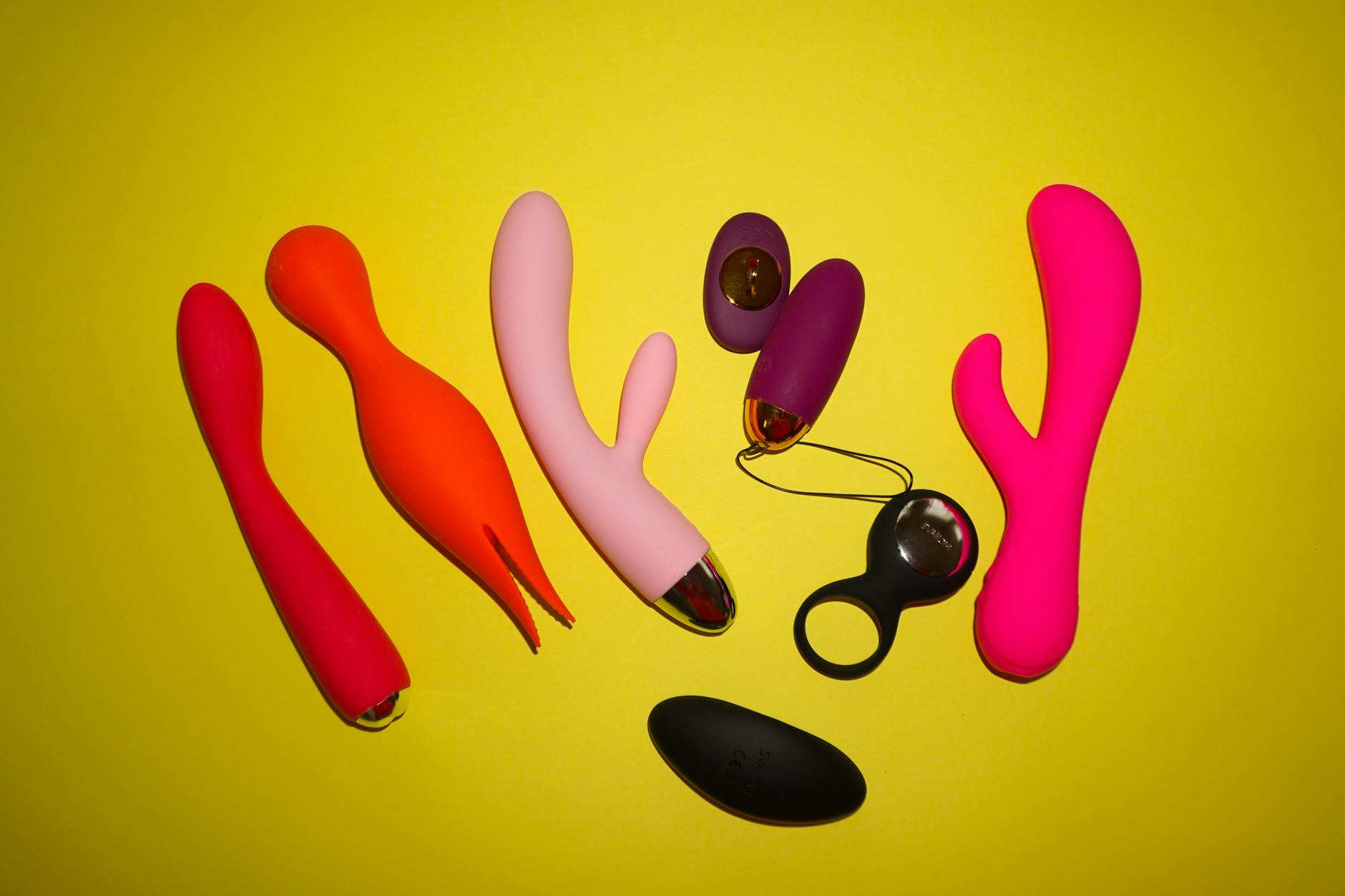
How Lemon Vibrators Feel Different After Hormonal Changes
Let's be real. Hormones shape how your body responds to touch, and that includes how you experience lemon vibrators and other clitoral vibrators. But here's the thing nobody says clearly: your lemon sucker still works beautifully. Your capacity for pleasure doesn't leave your body. What changes is the pathway to get there, and that's actually useful information.
Most conversations about hormones and pleasure fall into two traps. Either someone tells you everything will be fine (it will, mostly, but that's not helpful right now), or they act like your body is broken (it's not). I'm going to skip both and tell you what actually happens physiologically, and more importantly, what you do about it.
What hormonal shifts actually change
When your estrogen drops—whether that's from perimenopause, postmenopause, birth control changes, or hormonal conditions—several things shift in how tissues respond:
Clitoral tissue becomes thinner. This isn't a failure. It's a real change. Thinner tissue is more sensitive to direct pressure, which means the intensity setting that felt perfect at 35 might feel intense at 50. Your lemon vibrator's suction action works differently on different tissue density because it's engaging nerves, not just vibration.
Blood flow changes. Arousal takes longer because vasoconstriction (the process of blood rushing to the tissue) happens more gradually. This is why "taking longer to warm up" isn't a myth. You're not broken. You're running on a different timeline.
The pelvic floor loses elasticity. Estrogen supports muscle tone everywhere, including the floor of your pelvis. When it drops, that tissue relaxes, which can mean orgasms feel different in intensity or location. Some people report they feel more diffuse. Others say they finally feel them in their whole body instead of just one spot.
Vaginal lubrication isn't automatic. This one matters for everyone with a vulva using internal toys, but less for Hello Nancy's lemon clitoral vibrators since they're external. Still: water-based lube is your friend. Full stop.
Here's what does not change: your nerve density in the clitoral glans. Your brain's capacity for pleasure. Your ability to orgasm intensely. The orgasm reflex itself.
Read that twice.
Why your lemon clitoral vibrator might feel "different" after hormonal shifts
Your lemon vibrator isn't different. Your body's response is. That distinction matters because it tells you where to troubleshoot.
If a lemon sucker felt incredible at pattern 3, and now pattern 3 feels too intense, that's tissue sensitivity. Lower to pattern 1 or 2 and work up. That's an adjustment, not a rejection.
If it takes longer to reach orgasm, that's arousal timeline. Budget 20 minutes instead of 10. Extend your warm-up. Use a longer session. The orgasm is coming. The route just got longer.
If the sensation feels numb or muffled, that's usually one of two things. First: you might be tensing your pelvic floor out of habit or anxiety. Your nervous system learned a pattern years ago, and it's still running that program. Second: you might be on a medication that affects sensation (blood pressure meds, antidepressants, hormonal birth control). Talk to your doctor about timing or alternatives.
If the orgasm feels different in location or intensity, that's the pelvic floor change. It's real. It's also manageable with pelvic floor physical therapy, which isn't a fringe thing. It's evidence-based. A pelvic floor PT can help you retrain how those muscles engage, which changes how you experience sensation.
The adjustment period is real (and it's not permanent)
Here's what I tell clients: your body didn't break. It updated. And updates require driver reinstallation.
If you've been using the same lemon vibrator settings for a decade, and then hormones shift, you're starting a new exploration phase. Not from zero. From a different point.
This is where patience becomes a tool. Spend a week or two at lower intensity settings. Notice what pattern feels good now. Notice how long warm-up takes. Notice if you need more lube even if you didn't before. You're gathering data, not failing a test.
Most people report that within 4-6 weeks of adjusted use, sensation normalizes. Sometimes it's even richer because you're paying attention instead of running on autopilot.
Lubrication and how it changes the experience
Water-based lubricant deserves its own section because it's that important.
When tissue is thinner, friction feels different. A lemon clitoral vibrator with suction action reduces friction because you're not dragging the toy across tissue. But adding water-based lube changes the feel of that suction. It becomes smoother, less gripping, warmer.
Silicone-based lubes are richer and last longer, but they can degrade silicone toys over time. Stick with water-based. Coconut oil is an option if you're comfortable with it, though it can harbor bacteria, so cleanliness matters.
The counterintuitive part: lube doesn't mean you're dry. Your body still produces natural lubrication. Water-based lube just enhances glide and sensation, which is especially valuable when tissue sensitivity changes. It's not a workaround. It's an upgrade.
How to reset your lemon vibrator routine after hormonal changes
Three moves that actually work:
Start lower, work up. If your go-to pattern was 5 out of 7, begin at 2. Spend a few sessions there. Move up only when 2 feels less intense than it did the first day. This trains your nervous system to the new sensitivity baseline.
Extend warm-up time. Arousal is a feedback loop. More time touching yourself (without the toy at first) means more blood flow, more lubrication, more ready tissue. Budget 15 to 25 minutes before you introduce the toy.
Track what changes. Not obsessively. But notice. How long until you orgasm? What pattern gets you there? How does your body feel after? You're building a new map. That map is valuable.
When hormonal changes need professional support
If pain appears, see a gynecologist or pelvic floor PT. Pain isn't normal and isn't something to wait out. Genitourinary syndrome (GSM) is treatable, often with topical estrogen that has minimal systemic absorption.
If you're on hormonal birth control and sensation dropped significantly, talk to your prescriber about timing (taking it at different times can sometimes help) or alternatives. The birth control might be the right fit for you, and sensation shift is a known side effect you can plan around.
If you're in perimenopause or menopause and desire has vanished entirely, testosterone therapy is worth discussing with a menopause specialist. It's prescribed conservatively in the US but it's available and, for the right person, transformative.
And honestly, a relationship coach or sex therapist can help you separate hormonal changes from emotional stuff. Sometimes what feels like a pleasure problem is actually a connection problem wearing a hormonal disguise. Both are real. Both are solvable. But they need different solutions.
Your lemon vibrator is still your tool
Here's what I want you to know: your body's changes don't make you less able to experience pleasure. They change the path to it. And that path is often richer, deeper, and more under your control than before because you're not running on automatic anymore. You're paying attention.
A lemon vibrator works beautifully with hormonal shifts because suction-based stimulation is gentle, adjustable, and doesn't rely on friction. It adapts. You adapt. And that's where pleasure lives.
People also ask
Can hormonal changes make lemon vibrators feel numb?
Yes, but usually not because the toy stopped working. More often, it's either that thinner tissue processes intensity differently (try lower settings), or your pelvic floor is tensing unconsciously (pelvic floor PT helps), or a medication is affecting sensation (worth talking to your doctor about). Start with lower intensity and longer warm-up time. If numbness persists, rule out medication side effects or pelvic floor tension with a professional.
How long does it take to adjust to lemon vibrators after hormonal changes?
Most people report feeling like things are "normal" again within 4 to 6 weeks of adjusted use. That means intentionally using lower settings, extending warm-up time, and paying attention to what feels good now instead of what felt good before. Some people adjust in 2 weeks. Others take 8. Your nervous system will recalibrate.
Does hormone replacement therapy change how lemon clitoral vibrators feel?
Yes. HRT restores some tissue thickness and elasticity, which can make sensation feel more like it did before hormonal changes. Some people find they can return to their previous settings and routine. Others find that they've developed new preferences during the adjustment period and stick with the new rhythm. Both are fine. Let your body tell you what works.
Should I use more lubricant if hormones are affecting sensitivity?
Not necessarily "more," but consistently. Water-based lube becomes more important as tissue changes, not because something is wrong, but because it smooths sensation and reduces friction. One small pump is usually enough. You're not trying to recreate the past. You're optimizing for now.
Can lemon vibrators help restore clitoral sensitivity after hormonal changes?
They don't "restore" it in the sense of rewriting your hormones. But gentle, consistent use with a lemon sucker can help your nervous system recognize and amplify sensation. Orgasms can retrain nerve pathways. Regular use, even when sensation feels muted at first, often leads to increased sensitivity over weeks. This isn't magic. It's neuroplasticity.
Is it normal for orgasms to feel different after hormonal changes?
Completely normal. Location, intensity, duration, and the sensation of building up can all shift. Some people say orgasms feel more diffuse. Others say they're sharper and more focused. Some report that they finally happen with less effort. These aren't downgrades. They're variations. Your body is adapting to a new hormonal baseline, and that ripples into every sensation.
What happens next
Hormonal shifts are real. They're also manageable. Your body didn't break. It updated. And your lemon clitoral vibrator is still here, waiting for you to explore what feels good now.
If you're navigating big changes with a partner, the most important thing you can do is separate two conversations: "My body is different" and "We need to reconnect." They're linked, but talking about them as one thing turns both into dead ends. Talk about both. Just talk about them separately.
Your pleasure matters. It doesn't disappear. It just takes a different route. And usually, when you follow that route with patience and a little curiosity, you find it's deeper than before.
Have questions about how your body is changing, or how to navigate pleasure during transitions? Let's talk.