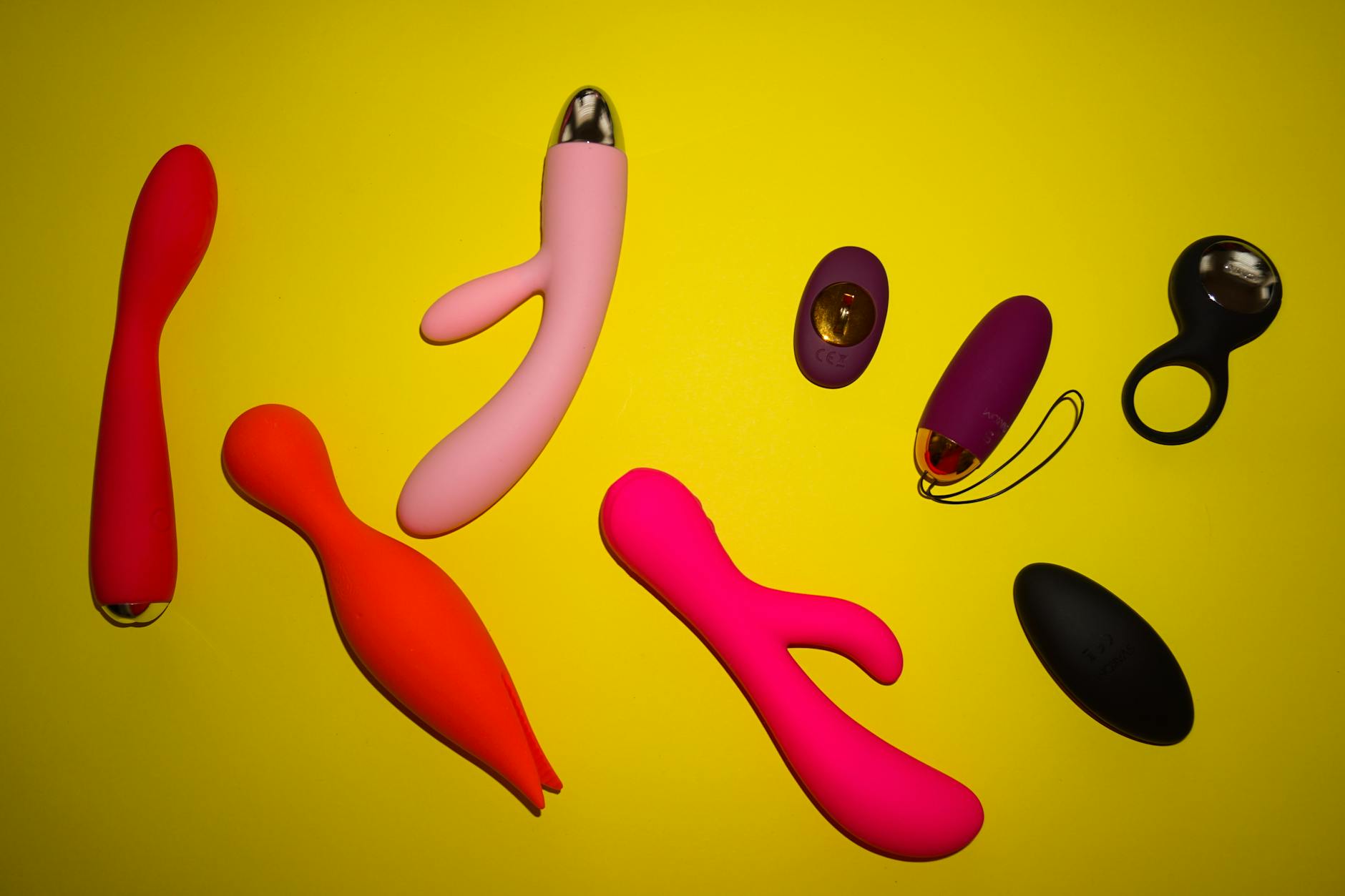
Lemon Vibrators and Relationship Anxiety: How to Introduce Toys Without Tension
Let's be real. The moment you think about mentioning lemon vibrators to your partner, a specific flavor of anxiety kicks in. Will they think you're not satisfied with them? Will they feel replaced? Will it become this whole thing where you're defensive and they're hurt and nobody gets what they actually needed?
Honestly? That anxiety is the actual problem, not the toy.
The good news is that introducing clitoral vibrators like the Lem or other lemon sexual toys to a relationship isn't inherently risky. Thousands of couples do it beautifully. The difference between the couples who strengthen their connection and the ones who create tension comes down to one thing: how the conversation happens.
What actually triggers the anxiety
Your partner's reaction isn't usually about the toy itself. It's about what they think the toy means. In their head, they're running a story. "If she wants a vibrator, maybe I'm not enough." Or "Maybe she's been unsatisfied this whole time." Or "Is this a sign she wants something I can't give her?"
Those stories aren't about pleasure. They're about belonging, worth, and security in the relationship.
Here's the kicker. If you introduce a toy from a place of "I'm not getting what I need from you, so here's the solution," you've confirmed their worst fear. The toy becomes evidence of the problem, not what it actually is: a tool for better mutual pleasure.
The whole dynamic changes when you reframe it. A lemon clitoral vibrator isn't a workaround for your partner. It's an expansion. It's you saying, "I want us to feel good together. I want to explore what makes my body respond. I want you to see that too."
Timing and framing matter more than you think
Don't introduce toys mid-conflict, when either of you is stressed, or when one person is already feeling disconnected. That's like texting someone that you need to talk about your relationship at 11 p.m. on a Tuesday. Timing doesn't fix a bad message, but good timing gives your actual message a fighting chance.
Pick a moment when you're both relaxed and there's no external pressure. Not right before bed if you're both exhausted. Not right after a frustrating day. Ideally, somewhere neutral. A conversation over coffee, a walk, somewhere you're not actively trying to have sex.
The framing part is equally important. Here's what doesn't work:
- "I've been thinking about getting a vibrator." (Sounds solo, like they're not part of the plan.)
- "I want to try something new because what we're doing isn't working." (Criticism masquerading as honesty.)
- "A lot of women need toys to orgasm anyway." (General statement that sounds like you're talking about yourself in the third person.)
Here's what does work:
- "I've been curious about something and I'd like to try it together. Can I tell you about it?"
- "I found this thing that I think could feel amazing for both of us. I want your input."
- "I've been reading about lemon vibrators and I'm really interested. I'd love your thoughts."
Notice the difference? The second set invites them into the experience. It positions the toy as something collaborative, not something that happened to the relationship when they weren't looking.
What to actually say
Start with curiosity, not demand. "I've been thinking about exploring this more. I'm interested in trying a clitoral vibrator together. What do you think?" This opens the conversation instead of closing it.
Then listen. If they say "No, I'm not comfortable," don't immediately argue. Ask why. You might hear that they're worried about performance, or that they think it means something about your satisfaction, or that they had a bad experience with toys in a previous relationship. Each of those concerns needs a different response.
If the concern is "I feel like I'm not enough," the response is: "You're enough in completely different ways. A vibrator does one thing my body responds to. You do a thousand other things I need. These aren't in competition."
If the concern is "Will this replace me?" The response is: "No. This is about us having better sex together. More pleasure means more connection, not less."
If the concern is practical ("Where would we even use it?"), then you're in problem-solving mode, which is actually a good place to be. That means you've moved past the emotional resistance into logistics. Logistics you can handle.
The conversation actually benefits from specifics
Don't just say "a vibrator." Say what you're thinking about. "I've been curious about suction-based toys like lemon vibrators because I read that they work differently than traditional vibration." Specificity makes the conversation feel grounded instead of theoretical.
You can show them the product. Not as a done deal, but as "Here's what I'm imagining." If they see it's a real thing with a design and a story, not something mysterious, it becomes less threatening.
You can also talk about how you imagine using it. "I'm thinking this would be great for when we're together. I want to be able to come more easily because I want to be more present with you." See what you did there? You connected the toy directly back to the relationship benefit.
What to do if they say no
If your partner genuinely isn't comfortable with toys, you have options. You don't have to choose between the toy and the relationship. You can ask what specifically makes them uncomfortable. Is it toys in general, or something about this moment, or a particular type of toy?
You can also ask if they'd be open to revisiting it later. Sometimes people need time to sit with the idea. What felt threatening on Wednesday might feel curious on a Tuesday three months from now.
If you genuinely need toys for your pleasure and they genuinely don't want them in the bedroom, you can use them separately. That's not deception. That's respecting your own needs while respecting their boundary. But I'd encourage you to have that conversation too. "I'm going to explore this on my own because my pleasure matters to me. I'm not asking you to participate, but I am telling you because I want honesty in this relationship."
Most partners respect honesty more than they respect avoidance.
When the conversation goes well (it usually does)
If your partner gets it, great. Now you're in the phase where you actually get to use lemon vibrators together, which is its own conversation. You might discover that having a lemon clitoral vibrator actually transforms your sex life. It often does.
Many couples report that introducing toys removes performance pressure. He's not worried about whether he can get her to orgasm. She's not performing. You're both just... exploring pleasure together. That's a completely different energy from what was there before.
If you do move forward together, take your time. Let him watch. Let him participate in how and when. Understanding how lemon vibrators work takes time, and that's actually a feature, not a bug. It keeps the conversation going. It keeps you both invested.
The real conversation underneath
Introducing a toy isn't really about the toy. It's about asking, "Can we talk about pleasure without shame? Can we want different things and still feel secure? Can you hold my needs alongside yours?"
Those are relationship questions. The toy is just the vehicle.
When couples navigate that conversation well, something shifts. There's more permission. More honesty. More willingness to ask for what actually feels good instead of what you think you should want.
That's what makes the conversation worth having, even if it feels awkward at first. You're not just introducing a clitoral vibrator. You're teaching your relationship how to grow.
FAQ: Lemon Vibrators and Partner Conversations
What if my partner thinks I'm asking him to use the vibrator on me because he's doing something wrong?
That's the most common interpretation, and it's worth addressing directly. Try this: "I want to be really clear. I'm interested in this because my pleasure matters to me, and I've read that these work in a totally different way than hands or anything else. This isn't about what you're doing wrong. It's about me exploring what makes my body feel amazing. I want you there, but this is for me."
Emphasis on "for me" changes the frame from "you're failing" to "I'm growing."
Is it better to ask permission or just bring it up casually?
Ask. "Hey, I want to talk about something" is better than surprising someone. Surprises work great for gifts. They work terribly for anything that touches on sexuality or insecurity. A conversation shows respect. Respect is sexy.
What if he wants to use it on me but I'd prefer to use it myself?
Tell him that. "I think I want to figure this out on my own first, then we can explore together." Learning how to use lemon vibrators takes some trial and error, and that's okay. You don't owe him access to your pleasure education.
Should I send him an article or just have a conversation?
Conversation first. Articles can feel like you're trying to convince him with evidence instead of just asking him to trust you. Once he's open, then share something if it helps. But lead with your voice, not with research.
What if this conversation makes the relationship feel less intimate?
That usually means something else is going on beneath the surface. Maybe there's already disconnection and the toy just brought it into focus. If that's the case, consider talking to someone. A couples therapist can help you both figure out what the real tension is about.
Does introducing toys early in a relationship work differently?
Yes. There's less history, so there's less to feel insecure about. But the conversation still matters. Don't assume newness means automatically being on board with anything. People have different comfort levels regardless of how long you've been together.
You don't need permission to want pleasure
Here's the thing I want you to hear underneath all of this. You're allowed to want your pleasure to expand. You're allowed to be curious about lemon vibrators, clitoral vibrators, or anything else that interests you. That's not selfish. That's not a referendum on your relationship.
Your partner's reaction is about them, not you. If they feel threatened, that's their anxiety to work with, not your problem to solve by staying small.
But here's what I know from twenty years of working with couples. Most partners, when approached with honesty and kindness, don't feel threatened. They feel relieved. Relief that you're willing to talk about pleasure. Relief that you want to feel good. Relief that you're not just accepting whatever is instead of asking for what could be.
That conversation is the real gift. The toy is just the beginning.