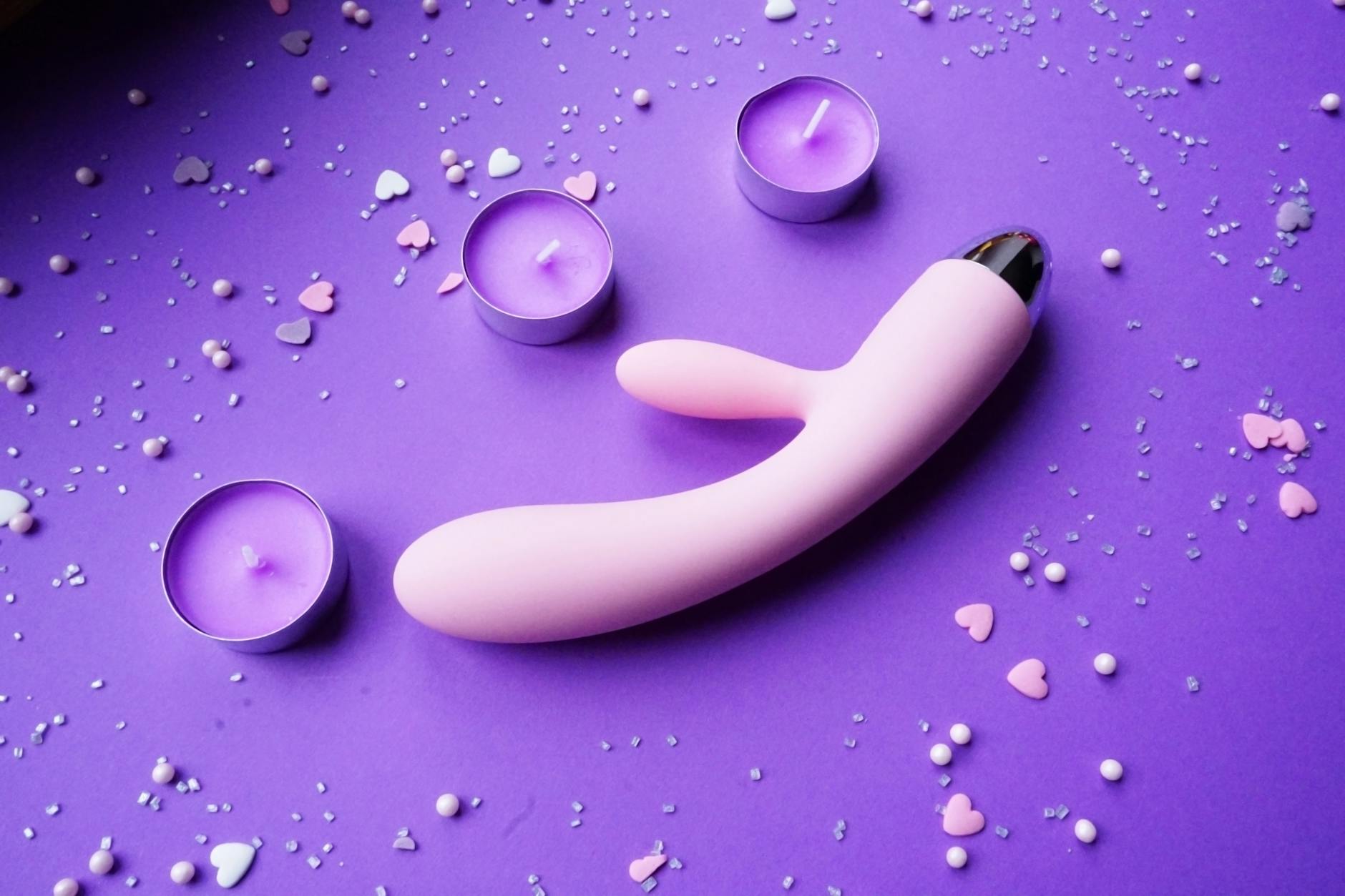
Here's the thing about lichen sclerosus and pleasure
Lichen sclerosus (LS) changes the tissue structure of your vulva. It thins the skin, reduces elasticity, and often triggers discomfort during touch or penetration. But it doesn't eliminate sensation, and it definitely doesn't eliminate your right to pleasure. The gap between those two facts is where a lot of confusion lives.
I've worked with clients who've been told to avoid stimulation entirely post-diagnosis. That's not clinical guidance. That's overcautious fear dressed up as health advice. The actual story is more nuanced: you can use lemon clitoral vibrators with lichen sclerosus, but you need to approach them differently than someone without the condition would.
What lichen sclerosus actually does to sensation
Lichen sclerosus causes the outer layer of vulvar skin to thin and become fragile. The tissue also loses some of its flexibility. If you've been diagnosed, you already know this can trigger itching, pain, or a feeling of rawness. What's less discussed is how it affects arousal and response.
Many people with LS report that direct clitoral touch feels sharper or more irritating than it used to. Some describe a sensation of numbness around the affected area. Others say stimulation feels almost painful initially, then gradually becomes more pleasurable as arousal builds. All of these experiences are normal physiological responses to tissue changes.
The good news: the nerves themselves aren't damaged. Your clitoris has thousands of nerve endings, and LS doesn't destroy them. It changes the environment they're in. That's important because it means sensation can absolutely return and evolve, especially with the right approach.
Why lemon clitoral vibrators work differently with LS
Air-suction toys like the Lem operate through a gentle pulsing mechanism that stimulates without harsh friction. This matters for LS specifically. A traditional vibrator applies direct pressure and vibration to tissue that's already compromised. A lemon sucker applies gentle suction cycles that stimulate the deeper nerve clusters without the same surface-level friction.
Think of it this way: your vulvar tissue is currently thinner and more delicate. A standard vibrator is like a drum stick. A Lem is like a gentle hand pulling your skin in a rhythmic pattern. One requires the tissue to tolerate direct impact. The other encourages blood flow and stimulation without requiring your tissue to absorb force.
That distinction changes everything. Clients with LS consistently report that lemon vibrators feel more comfortable than traditional vibrators because the suction mechanism respects the tissue's current state while still delivering intense sensation.
Medical clearance first, always
Before you use any sexual device with lichen sclerosus, get explicit sign-off from your dermatologist or gynecologist. Not in a generic way. Ask specifically: "Is it safe for me to use a clitoral vibrator right now given my current LS status and any active symptoms?"
Why this matters: LS severity varies widely. If you're in an active flare, inflammation is high and tissue is especially fragile. During a flare, stimulation might genuinely not be advisable. But during a period of remission or lower inflammation (which you'll achieve through topical corticosteroids and good care), pleasure is often medically safe.
Your dermatologist can tell you where you fall. Work with that information. If you get a yes, you're starting from a solid foundation. If you get a "wait and treat first," that's valuable too. Rushing into pleasure when tissue is inflamed won't help anyone.
Starting with settings and lubrication
When your dermatologist has cleared you, the adjustment period is crucial. Most people with LS need to start on the lowest settings of their lemon clitoral vibrator. On many devices, that means pattern 1 or 2. Your tissue is already managing inflammation and healing. It doesn't need intensity right now. It needs gentle, consistent stimulation that builds arousal without overwhelming.
Lubricant is mandatory. Not optional. Water-based lube provides a glide layer that reduces friction between the device and your tissue. It also makes the experience feel less raw. Many people with LS find that lube alone transforms the sensation from uncomfortable to actually pleasurable. Add warmth: let the lube sit against your skin for 30 seconds before you begin using your Lem.
The combination of low intensity, generous lube, and warmth creates an environment where sensation can build without triggering inflammation or pain.
The arousal build matters more than speed
Here's what I've observed clinically: people with LS often find that their arousal curve is different. It takes longer to build. Sensation feels numb initially, then gradually sharpens as blood flow increases. This isn't a problem. It's just information.
Budget 15-25 minutes for the first session. Yes, that's longer than many people are used to. But you're not racing toward orgasm. You're exploring what sensation is available to you right now. Start on the lowest setting. Stay there for 5-10 minutes while your tissue warms and sensation develops. You may find that numbness gradually fades into sharpness, then into something pleasurable.
Some clients reach orgasm easily once arousal is established. Others find that orgasm isn't the goal anymore. That's okay too. The point is sensation, connection, and reclaiming your body as a source of pleasure, not just symptom management.
When to pause and reassess
If you experience sharp pain, increased inflammation, itching that's worse after use, or any sign of skin irritation, stop immediately. This isn't "pushing through." This is information. Your tissue is telling you it's not ready yet.
Wait three to five days before trying again. In the interim, focus on your basic LS care: topical corticosteroid application as prescribed, gentle cleansing, avoiding irritants. Then try again with even lower intensity or longer warm-up time. Progress isn't linear with LS. Some weeks your tissue will be more responsive. Other weeks it will need more patience.
This is also a conversation to have with your partner if you have one. LS affects both of you in different ways. How to use lemon vibrators with a partner for shared pleasure becomes a collaborative process where both of you understand that healing and sensation-building happen together.
The emotional layer you probably haven't addressed
LS diagnosis often arrives with grief. Your body feels broken. Sex feels risky. The idea of using a clitoral vibrator might feel like admitting defeat or trying to force something that should be natural. I want to name that directly because it's real and it matters.
Using a lemon clitoral vibrator with LS is not a workaround for a broken body. It's a tool for reconnecting with a body that's changing. You deserve pleasure. Your tissue deserves care. Both can be true at the same time.
Many of my clients find that giving themselves permission to use a device, slowly, with full medical support, actually accelerates the psychological healing from the LS diagnosis itself. You move from "my body is broken" to "my body is resilient and still capable of sensation." That shift is powerful.
FAQ: Lemon vibrators and lichen sclerosus
Can lichen sclerosus ever go into full remission?
Yes. With consistent topical corticosteroid treatment and proper care, many people achieve long periods of remission where symptoms are minimal or absent. During remission, pleasure and sensation often improve dramatically. The tissue is still slightly thinner than pre-LS, but it's stable and responsive. Regular use of lemon clitoral vibrators during remission periods can actually help maintain blood flow and sensation in the tissue.
Will using a lemon vibrator worsen my LS or trigger a flare?
Not if you follow the framework outlined above: get medical clearance, use low intensity, use generous lubrication, build arousal slowly, and stop if you experience pain. In fact, many dermatologists now recognize that gentle sexual stimulation during stable phases of LS can improve blood flow to the tissue and support healing. The key is avoiding the things that do trigger flares: friction, irritation, and inflammation.
What if I can't orgasm with a lemon vibrator even after months of trying?
Organ might not be the goal right now, and that's medically wise. LS changes the orgasm reflex temporarily in many people. Rather than chasing climax, focus on sensation: can you feel warmth? Tingling? Deeper arousal? Can you experience pleasure without the endpoint of orgasm? These shifts often come first. Orgasm frequently returns as tissue heals and sensation stabilizes, but the timeline varies.
Should I use a lemon vibrator alone or with a partner during LS treatment?
Both are valid. Solo use gives you space to explore without pressure or performance anxiety. With a partner, you get connection and support. Many couples find that using a lemon clitoral vibrator together, with clear communication about comfort and sensation, actually deepens intimacy during LS treatment. Why lemon vibrators work best with partners emphasizes communication first, and that's especially true here.
How often can I safely use a lemon vibrator if I have LS?
Start with once every two to three days while your tissue adapts. Monitor how your symptoms respond. If you feel better and more stable, you can gradually move toward more frequent use. Some people with LS find that regular gentle stimulation actually reduces symptoms over time because it improves blood flow. Others need more rest days. Your tissue will tell you. Listen to it.
Can topical LS treatments interfere with using lemon vibrators?
No. Water-based lubricant and topical corticosteroids play well together. Apply your LS medication as prescribed, wait 15-30 minutes for absorption, then add water-based lube before using your Lem. The lube doesn't wash away your medication. It just creates a glide layer for the device.
The bottom line
Lichen sclerosus changes your vulvar tissue, but it doesn't change your capacity for pleasure or your right to sexual expression. Lemon clitoral vibrators, used thoughtfully and with medical support, can be part of reclaiming that pleasure during and after LS treatment. Start slow. Use plenty of lube. Get clearance from your doctor. Pay attention to your tissue's feedback. Your body is resilient. Sometimes it just needs patience, the right tools, and permission to explore sensation at its own pace.
If you have questions about how to move forward with your specific situation, reach out to us. We're here to help.