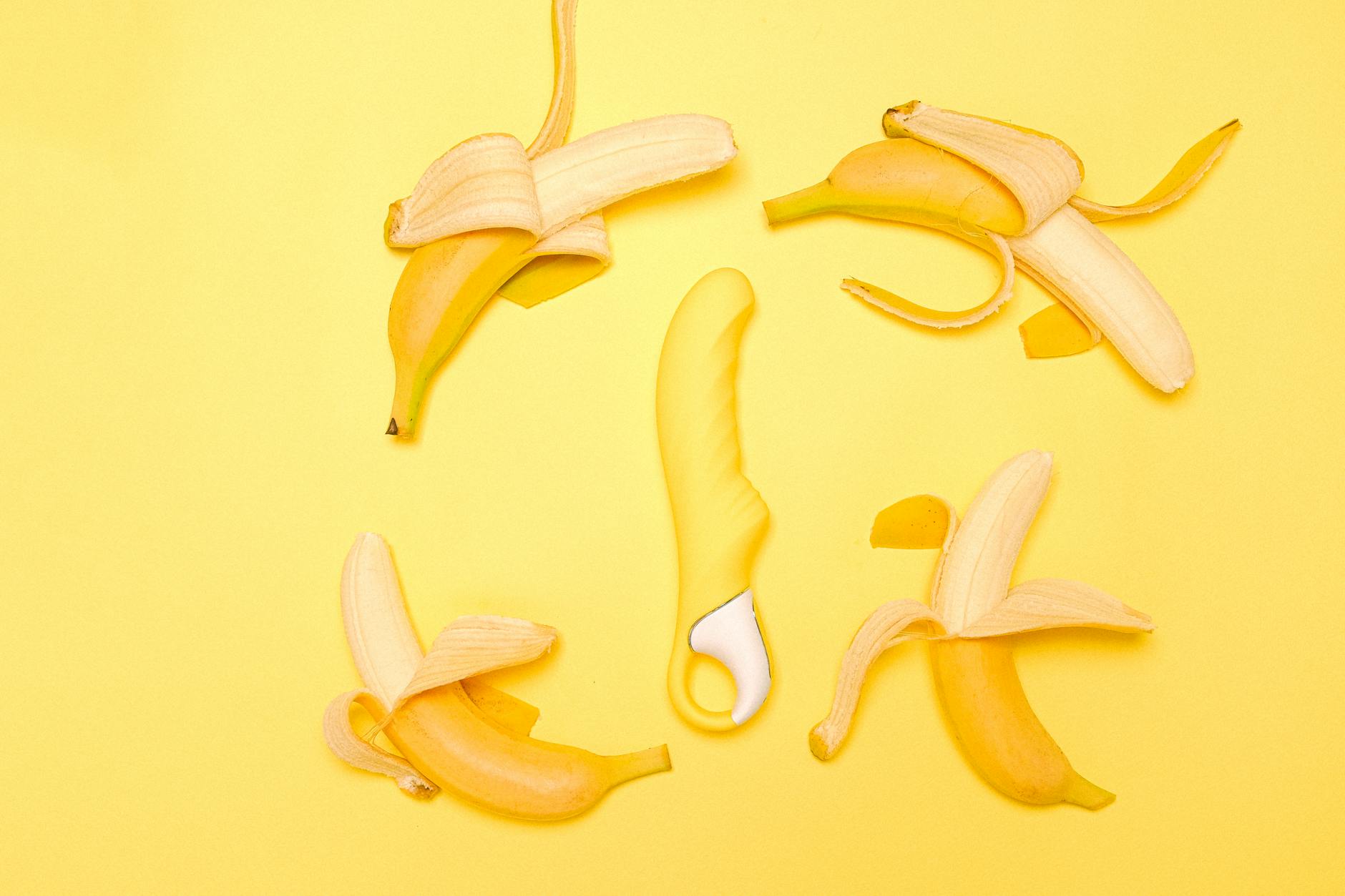
Let's talk about the thing nobody mentions at the pharmacy
Antidepressants save lives. They also flatten sexual response in ways that feel punishing after months of not feeling anything at all. You finally get your brain back, and now your body feels like it's underwater. It's not fair, and it's wildly common. Here's what's actually happening, and why lemon vibrators and other clitoral vibrators can still work brilliantly once you understand the shift.
How SSRIs change sexual response
Serotoninergic medications (SSRIs, SNRIs, tricyclics) work by increasing available serotonin. That's what fixes the depression. But serotonin also regulates the final stages of sexual arousal and orgasm. When there's more serotonin floating around, the nervous system becomes harder to tip into climax. It's like the accelerator is slower and the brake is stronger.
This affects four things specifically:
Genital sensation becomes muted. Direct touch feels less electric. What used to send a jolt now feels like a gentle hum. This is why people on SSRIs often describe their genitals as "numb" even though the nerves are intact.
Arousal takes longer to build. Your body isn't broken. It's just that the chain reaction from stimulation to full arousal moves at a different speed. Where you used to get turned on in five minutes, now it's twenty.
Reaching orgasm requires more intensity or different stimulation. The old pattern stops working because the nervous system is literally operating under different conditions. It's not that you've lost capacity. You've lost a map.
The sensation of orgasm might feel different. Some people report flatter, less intense releases. Others find that once they do orgasm, it's still there, just quieter.
None of this means you can't have pleasure. It means pleasure requires different hardware.
Why lemon clitoral vibrators work better than manual stimulation
Here's where it gets practical. A lemon vibrator or other clitoral suction vibrator operates at a frequency and intensity that doesn't rely on your baseline sensitivity. It creates stimulation that your numbed nerves can actually detect.
Consider the difference. With your hand, you're working against pharmaceutical dampening. The skin-to-skin sensation is muted, so you work harder, which gets tiring, which kills arousal. It becomes work instead of pleasure.
With a lemon sucker vibrator, the suction mechanism is a different language entirely. It's not about how sensitive the tissue is. It's about the pressure gradient and rhythm. This is why many people on SSRIs find that devices designed for clitoral suction (like the Lem vibrator) work when nothing else does. You're bypassing the sensitivity issue entirely.
The vibration frequency also matters. Cheaper vibrators often vibrate in the 50-60 Hz range, which doesn't cut through SSRI dampening well. Devices engineered for stronger stimulation output (typically 80+ Hz) tend to register better on a flattened nervous system.
What to adjust if you're on medication
Five practical changes that make lemon vibrators and clitoral vibrators more effective:
1. Lengthen your warm-up phase. Forget five minutes. Budget 20-30 minutes of non-genital touch, conversation, whatever gets your brain engaged. Your nervous system needs the head start because arousal isn't automatic anymore.
2. Use more generous lubrication. SSRI-related dryness is real (the drugs also affect mucous membranes). A quality water-based lube removes friction and allows the vibrator to make full contact. This matters more than you'd think.
3. Start with lower intensity, then go higher than you think you need. On SSRIs, you often can't feel the vibrator at pattern one or two. Skip those and start at medium-high. There's no prize for working your way up slowly. Find the intensity that actually registers.
4. Experiment with different stimulation patterns. The pattern that worked before SSRIs might not work now. Your nervous system responds to rhythm differently. Try the steady hum, then pulsing, then ramping. One will feel better than the others.
5. Accept that this might require a dedicated session. If you're used to five-minute quickies, this is a mental shift. But protected time where pleasure is the only goal tends to work better when arousal is slow-building. That's not a flaw. That's just the new truth.
When to talk to your prescriber
If sexual side effects are severe, you have options. These aren't Band-Aids. They're legitimate medical conversations.
Timing adjustment. Some doctors can shift your dose timing so the medication peaks at times when you're less likely to be intimate. This doesn't reduce effectiveness but changes when the side effect lands.
Dose reduction. Not always possible, but if you're on a higher dose than strictly necessary, dropping slightly sometimes helps without losing benefit.
Augmentation medication. Buspirone, bupropion, or sildenafil (yes, Viagra) are sometimes added specifically to counteract sexual side effects. They work. They're not cheating.
Switching medications. Bupropion is an atypical antidepressant that doesn't cause sexual side effects in most people. If your current SSRI isn't working socially or sexually, talking about alternatives is reasonable. Mirtazapine sometimes actually increases sexual interest.
Don't tough it out in silence. Your doctor has had this conversation hundreds of times. They know the trade-offs.
The psychological piece (which is half of it)
Anxiety about sexual side effects often makes them worse. You're worried you can't come, so you clench, which makes arousal harder. You feel broken, so you stop trying, which confirms the belief.
Here's what actually helps: reframing the experience as a temporary recalibration, not a permanent loss. Your body isn't broken. The medication changed how your nervous system prioritizes arousal. That's fixable.
Working with a lemon vibrator or other clitoral vibrator can be part of that recalibration. It's not cheating. It's adjusting to your current physiology. Many people find that using a device regularly (even without the goal of orgasm) helps their body remember what arousal feels like. After weeks or months, some sensitivity returns. For others, the vibrator becomes the reliable path, and that's completely valid.
If you're in a relationship, this conversation matters too. Your partner needs to understand that this isn't about them or attraction. It's medication plus neurology. The more you can depressurize the situation, the less anxiety will pile on top of the medication effect.
When to consider a specialist
If you've tried lemon vibrators, adjusted your approach, talked to your prescriber, and still feel completely flatlined after six months, a sex therapist trained in medication-related sexual dysfunction can help. They're not there to make you feel better about feeling bad. They're there to work through what's actually solvable and what you might need to accept.
Likewise, if your antidepressant is working brilliantly for your mental health but the sexual side effects are destroying your relationship or self-image, that conversation with your therapist and prescriber together matters. Sometimes the cost of one med isn't worth the benefit if there's an alternative that works nearly as well.
Your mental health and your sexual health both matter. They're not in competition.
People also ask
Can you use a lemon vibrator while on SSRIs?
Absolutely. Lemon clitoral vibrators are actually more effective on SSRIs than many other stimulation methods because they don't rely on baseline sensitivity. The suction mechanism and vibration intensity create stimulation that cuts through SSRI dampening. You might need to adjust intensity levels or warm-up time, but lemon vibrators work.
Do antidepressants permanently kill sex drive?
Not permanently. Sexual side effects often improve over time as your body adjusts (usually three to six months in). For some people, they stay. If they persist and are affecting your quality of life, talking to your prescriber about timing, dose, augmentation, or switching medications is a legitimate medical conversation. Your sexuality matters.
How long do SSRI sexual side effects last?
It varies wildly. Some people adjust within weeks. Others feel effects for months. A tiny percentage experience persistent effects even after stopping. If you're six months in and nothing has shifted, that's the time to revisit the conversation with your doctor, not to wait longer.
Will a stronger vibrator help with SSRI numbness?
Yes, usually. A vibrator with higher frequency output and reliable intensity (like professional clitoral vibrators designed with this in mind) tends to cut through medication-related dampening better than lower-powered devices. Start with medium-high intensity rather than ramping up slowly. You're looking for what you can actually feel, not what's "supposed" to feel good.
Should I stop my antidepressant if it's killing my sex drive?
No. Never stop psychiatric medication without talking to your prescriber. The alternative (untreated depression) is usually worse for mental health and sexual health both. But having the conversation about options (timing, dose, switching, augmentation) is absolutely fair. Your doctor expects this question.
Can lube help with SSRI-related dryness and numbness?
Lube helps with dryness, which does improve sensation slightly. But it's not a fix for numbness caused by the medication itself. What lube does do is reduce friction and allow your vibrator to make full contact, which matters for effectiveness. Use it generously. It's part of the setup.
Your mental health medication isn't the enemy. But it does change the landscape of pleasure. That's not failure. That's information. Lemon vibrators, patience with the adjustment period, and honest conversations with your doctor are how most people navigate it successfully.