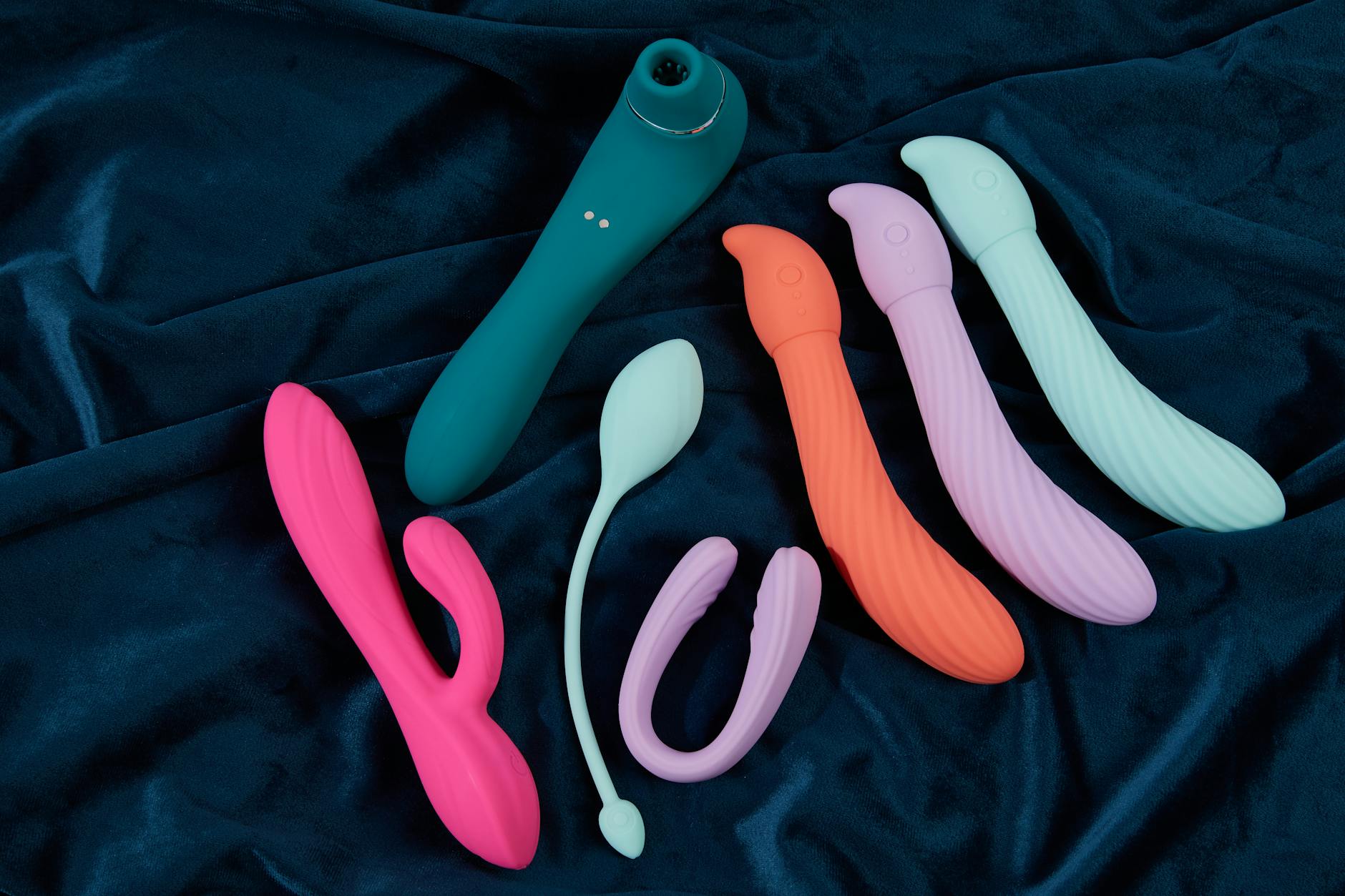
Here's the thing about wand vibrators
They're loud, they're powerful, and they've become the default recommendation for "better orgasms." But here's what nobody tells you: powerful doesn't always mean better, especially if your vulva is sensitive, if you've lost some sensation over time, or if you're the kind of person whose nervous system says no to blunt-force stimulation.
If a wand vibrator makes you feel numb after a few minutes, or if you have to hold it in a specific rigid way to feel anything at all, that's not a failing on your part. That's a design problem. And it's exactly why lemon clitoral vibrators, which use suction-based stimulation instead of buzzing friction, are changing the game for a lot of vulva owners.
The mechanics: Why suction beats vibration for sensitivity
A wand vibrator works through sheer amplitude. It vibrates side to side, sometimes thousands of times per second, creating broad stimulation across tissue. Think of it like knocking on a door with your whole hand versus tapping with one finger.
A lemon clitoral vibrator, by contrast, uses gentle suction combined with subtle pulsing. Instead of bombarding nerve endings with vibration, it creates a gentle seal around the clitoral area and then releases that pressure rhythmically. This does something different neurologically.
Here's why that matters: the clitoris has roughly 8,000 nerve endings concentrated in a tiny space. Wand vibrators stimulate all of them at once, which can feel amazing or overwhelming depending on your body that day. Suction-based stimulation like the Lem creates more localized, controlled pressure, which means:
- Lower sensory overload. You're not getting blasted; you're getting targeted stimulation.
- Less desensitization. Because suction doesn't numb the same way friction does, you can use it longer without losing sensation.
- More variation in sensation. You can adjust intensity in subtle ways without jumping between "off" and "overwhelming."
If you've noticed that wand vibrators work great for the first few minutes and then everything goes numb, this is exactly what's happening. The constant vibration is fatiguing your nerve receptors. Suction-based vibrators avoid that wall.
Who actually benefits most from lemon vibrators
I work with people across a wide sensitivity spectrum, and I've noticed patterns:
People with naturally sensitive vulvas. If direct clitoral touch feels like too much, or if you've always had to use a barrier (fabric, hand, etc.) between yourself and a vibrator, suction might finally let you experience direct stimulation without flinching.
Anyone recovering sensation. If you've been numb for months or years, whether from medication, age-related tissue changes, or constant wand use, suction-based lemon vibrators often restore sensitivity more reliably than trying a "stronger" vibrator.
People who've hit a plateau with their current toy. If your wand vibrator worked beautifully for the first year and now feels like nothing, switching to a different stimulation method can reset that responsiveness entirely.
Vulva owners with hormonal changes. If menopause, perimenopause, or hormonal birth control has changed how your body responds, the gentler approach of clitoral vibrators often bridges the gap between old sensation and new reality better than cranking up intensity.
The transition: How to switch from wand to lemon vibrators
Honestly though, switching tools can feel weird. You're used to a certain rhythm, a certain intensity shape. A lemon clitoral vibrator feels fundamentally different because it is.
Here's how to make the shift without frustration:
Start with longer warm-up time. Suction-based vibrators need more arousal prep than wand vibrators. Budget 10-15 minutes of foreplay before you even turn it on. Your body needs to be genuinely ready.
Begin on the lowest setting. The gentleness is the point. Patterns 1-2 should feel pleasant but subtle. You're not looking for immediate sensation; you're teaching your body to respond to a different kind of touch.
Experiment with angle. Unlike wands, which are pretty one-size-fits-all in how you use them, lemon vibrators can feel dramatically different depending on how you position them. Slight angles matter. Play with this.
Don't compare it to your wand yet. For the first week, just explore. Let your nervous system recalibrate without the pressure of it "being as good as." Different isn't worse; it's different.
Layer it. Some people find that combining a lemon clitoral vibrator with a partner's touch, or adding a second toy, helps the transition feel more complete. There's nothing wrong with that.
The science behind why lemon vibrators feel less numbing
When you use any vibrator repeatedly, your nerve receptors gradually stop firing as dramatically. It's called sensory adaptation, and it's totally normal. Your skin literally becomes less responsive to the repeated stimulus.
Wand vibrators accelerate this because they're providing constant, high-frequency input. Your nervous system says, "Okay, this is the baseline," and cranks down sensitivity to compensate.
Suction-based stimulation triggers a different neural pathway. Instead of pure vibration fatigue, suction engages deeper tissue sensation and creates a rhythm that feels more like manual stimulation. This rhythm-based approach doesn't numb as quickly because it's varying in intensity and pressure in ways that keep your nervous system engaged.
Think of it like the difference between listening to white noise for an hour (wand) versus having a conversation (lemon vibrator). One puts your brain to sleep. The other keeps you present.
What to expect in the first month
Week one: It might feel subtle. That's intentional.
Week two: Your body will start responding more. Sensitivity will increase as you stop expecting wand-level intensity.
Week three to four: Most people report that orgasms feel different. Sometimes more intense in a concentrated way, sometimes longer, sometimes just different in quality. This is your nervous system re-engaging.
If by week four you're still not feeling much, it might not be the right toy for you, and that's fine. But give it the full month before deciding. Sensory adaptation goes both directions.
Lemon vibrators and partners
If you're using this with someone, the gentler nature of suction-based stimulation actually changes the dynamic. Wand vibrators can create distance because they're so self-contained and intense. Lemon clitoral vibrators are quieter, smaller, and easier to incorporate into partnered touch without it feeling clinical.
Many couples find that switching to a lemon vibrator actually brings them closer during sex, not further apart. The intimacy of it can surprise you.
The honest reality: This isn't for everyone
I need to be direct here. If you love your wand vibrator and it works for you, keep using it. There's no moral high ground in switching toys. Some vulvas genuinely do respond better to broad, powerful stimulation. That's valid.
But if you've been thinking that "better" means "more intense," and you've been chasing that high with stronger vibrators that ultimately numb you out, lemon vibrators offer a completely different paradigm. You might find that less intensity plus smarter technology actually delivers more pleasure overall.
People also ask
Do lemon clitoral vibrators feel as strong as wand vibrators?
No, and that's the point. Lemon vibrators use suction instead of pure vibration, so they feel gentler and more targeted. Intensity is adjustable through patterns, but even the highest setting won't match a high-powered wand's raw force. For sensitive vulvas, that's exactly the goal. The stimulation is more refined, less likely to numb you out over time.
Can I use a lemon vibrator if I've always preferred wand vibrators?
Yes, but you'll need to adjust expectations. Most people who switch from wands report that it takes 2-4 weeks of consistent use to start preferring lemon vibrators, because your body has adapted to wand-level intensity. The key is giving yourself that transition period without immediately going back when it feels different.
Are lemon vibrators quieter than wand vibrators?
Yes, significantly. Suction-based vibrators are much quieter because they're not relying on high-frequency buzzing. If discretion or noise sensitivity matters to you, this is a real advantage. You can also use them in situations where a wand would be too loud.
What if I have a very sensitive clitoris and even lemon vibrators feel like too much?
You have options. Start on the lowest pattern, keep plenty of lubrication on hand to reduce friction, and consider using it over clothing initially. Some people also benefit from using a lemon vibrator with a partner's hand involved, which can create a buffer and help regulate intensity. If sensitivity pain is involved, check with a healthcare provider to rule out vulvodynia or other conditions.
Can lemon vibrators help me regain sensitivity after years of wand vibrator use?
Often, yes. Because suction-based stimulation doesn't cause the same sensory fatigue, switching to a lemon vibrator frequently helps the nervous system reset and sensitivity returns within a month or two. It's like giving your body permission to feel again.
How do I clean and care for a lemon vibrator?
Most lemon clitoral vibrators are made from medical-grade silicone and are fully submersible. Rinse under warm water with a bit of soap after use, or use a toy cleaner. Avoid boiling or high heat, which can degrade the silicone. Store in a cool, dry place. Check the specific care guide for your model, but general silicone care rules apply.
The bottom line
If wand vibrators have stopped working for you, or if you've never found one that felt right in the first place, it's not because you're broken. It's because you haven't found the right tool yet. Lemon clitoral vibrators approach pleasure from a completely different angle, and for a lot of people, that shift is transformative.
Your pleasure matters. It deserves a toy that matches your body's actual needs, not what marketing tells you those needs should be. If you're curious about exploring this, reach out to us with questions. We're here to help you find what actually works.
For more on navigating pleasure changes in your relationship, check out how lemon vibrators can rebuild intimacy in midlife relationships or explore how lemon vibrators help when pleasure feels disconnected from your body.