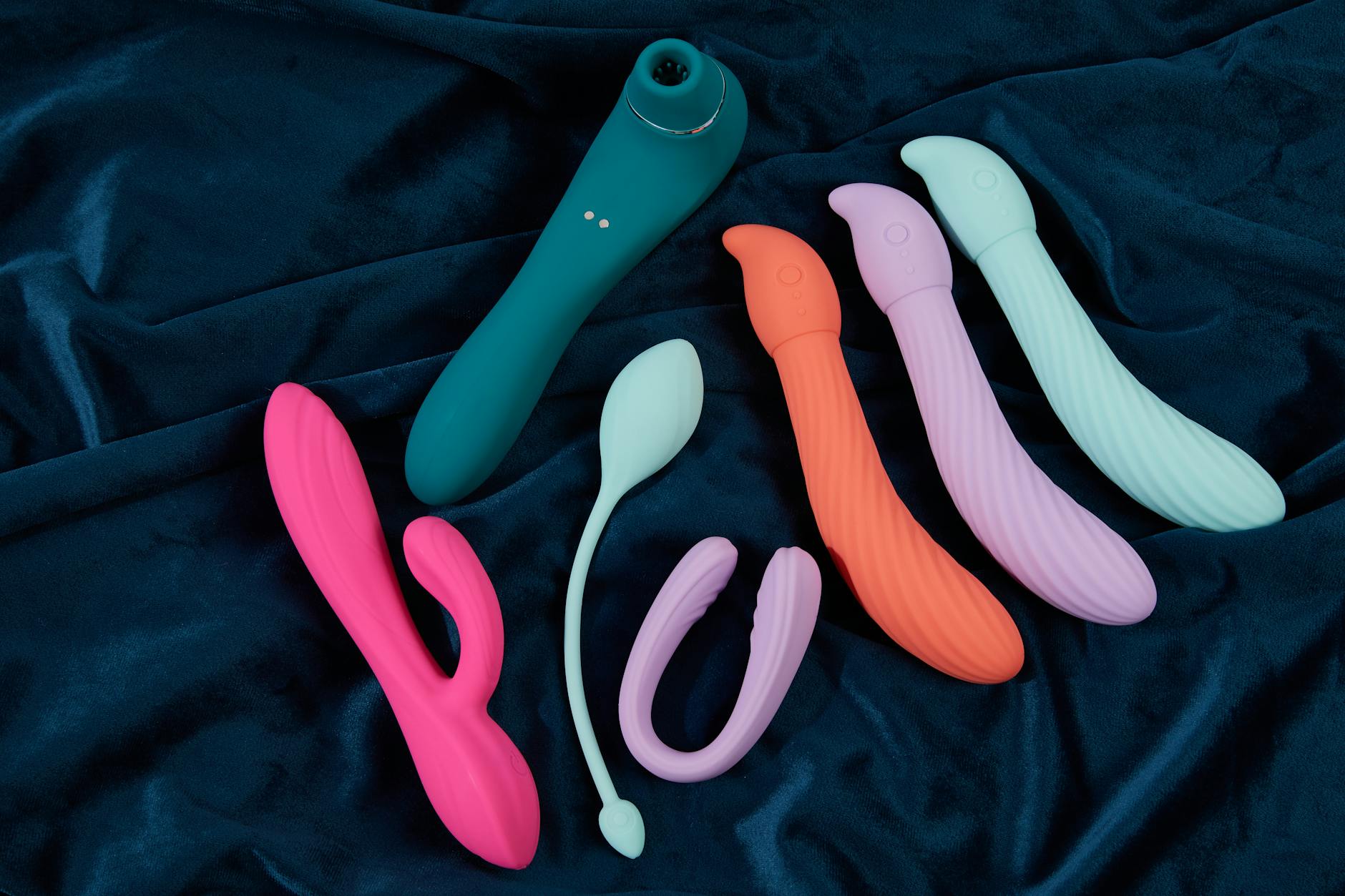
Let's talk about what happens in your 40s
Your body doesn't stop working at 40. It changes. And if you've been using a lemon vibrator for years, you might notice it feels different now. The clitoral sensitivity that used to light up instantly might take longer to wake up. Or the intensity that felt perfect five years ago might feel too sharp now. That's not you breaking. That's your nervous system evolving.
Here's the thing nobody explains clearly: lemon vibrators don't feel the same across your lifetime, and they're not supposed to. The suction, the patterns, the speed that works best for you at 35 might need adjustment at 45. Understanding why helps you recalibrate, not worry.
How clitoral sensitivity actually changes with age
Your clitoris has around 8,000 nerve endings. Those nerves don't disappear after 40, but the way they respond to stimulation does shift. Estrogen levels stay relatively stable until the early 50s (unless you're perimenopausal), but blood flow patterns change. Your cardiovascular system takes slightly longer to direct blood to your genitals during arousal. That's a fact, not a failure.
Tissue thickness also changes gradually. The skin on and around the clitoris becomes slightly less elastic, which sounds negative but often means sensation becomes more concentrated rather than diffused. Many people find their orgasms actually feel stronger after 40, just in a different shape.
The other huge factor: your nervous system itself matures. You have fewer random nerve firings and a more developed ability to focus and sustain attention. Your brain's pleasure centers become more efficient. This is why so many people in their 40s and beyond report deeper, more controllable pleasure than they had in their 20s.
Why arousal takes a different rhythm
Between 40 and 50, the time it takes to reach full arousal often lengthens. Not because you're less interested. Your body is just more deliberate about it. Foreplay that used to feel optional might now feel essential. A 10-minute warm-up might become a 20-minute one. Your lemon vibrator's gentler patterns, like the low-suction settings, start becoming your go-to instead of the intermediate ones.
This is also the phase where mental distractions hit differently. Work stress, relationship shifts, hormonal fluctuations, body image concerns. All of it lives in your nervous system. You might find that you need more psychological safety or privacy to fully relax and engage with pleasure. That's not weakness. That's your brain protecting you and needing better conditions to let go.
Honestly, this is where a lot of people give up on vibrators entirely, thinking they've "lost it." They haven't. They've just stopped matching their tools to their changing body.
What lemon vibrators do better as you age
The design of a clitoral suction vibrator like the Lem works in your favor after 40. Here's why: suction stimulates without the blunt friction that can become uncomfortable as tissue sensitivity patterns shift. You don't need maximum intensity to feel it deeply. In fact, lower suction settings often unlock better sensation because the stimulation is more nuanced.
The pattern-cycling feature becomes more valuable too. Instead of finding one speed and staying there, you can explore slow builds, pauses, and rhythm changes. Your developing ability to pay attention and focus pleasure actually syncs better with devices that reward sustained attention.
Water-based lubricant also becomes more of a tool than a bonus. Adding it isn't a sign something's wrong. It's a way to reduce friction and increase comfort while you're exploring at a pace that suits you now. The Lem's design means you can use as much or as little as you need without it interfering with suction.
The hormonal piece you don't hear about
If you're in perimenopause or postmenopause, hormone levels do affect sensation. But here's what's misunderstood: it doesn't just diminish pleasure. It redistributes it. Some people lose clitoral sensitivity in their 50s but gain deeper internal sensation. Others find their sweet spot for stimulation moves from external to blended. The intensity threshold changes, sometimes lower, sometimes just different.
Oestrogen also affects the mucosal lining of your vulva, which can change how stimulation feels. Thinner tissue sometimes feels more sensitive, not less, because the nerve endings are closer to the surface. That's not better or worse. It's just recalibration.
If you're on HRT (hormone replacement therapy), the timeline and intensity of these changes shifts. If you're not, they typically unfold more gradually over several years. Either way, lemon vibrators adapt better than you might think because they're not dependent on a single type of tissue response.
How to adjust your technique
Three practical shifts I recommend for people in their 40s and beyond:
Start lower and slower. Begin with pattern 1 or 2 on your Lem instead of jumping to 4. Let arousal build gradually. You'll likely reach more intense sensation faster this way than rushing to higher speeds.
Extend your warm-up. Budget 15-25 minutes before using your vibrator, not five. This includes mental settling (put your phone away), physical relaxation (breathe, stretch), and if you're with a partner, real connection. Your body has more capacity for pleasure when it's actually relaxed.
Change your positions. If you've always used your lemon vibrator in the same way, try something new. Different angles hit different parts of the clitoris. What feels unremarkable at 35 might feel revelatory at 45 from a slightly shifted position.
The mental side is just as real as the physical
Your 40s often bring clarity about what you actually want instead of what you think you should want. That's powerful. But it also means tolerance for mediocre sensation drops. You're less patient with discomfort. You're more protective of your time. You might find you want partnership around pleasure, or you might want solo time that's truly uninterrupted.
If pleasure feels muted, check in with what's happening in your broader life. Are you stressed? Is your relationship solid? Are you getting enough sleep? These matter more after 40 than they did at 25. Your body needs actual conditions to be met, not just theoretical arousal.
Some people also find that exploring new patterns or techniques reignites something that felt dormant. If you've had the same routine for years, your nervous system might be habituated to it. The Lem's multiple patterns exist partly for this reason. Pattern 1 might feel boring after years of pattern 3. Switching back to pattern 1 after a break can feel new again.
When to check in with a doctor
If sensation has become painful or completely numb, or if arousal has vanished entirely despite improved stress and relationship quality, talk to a healthcare provider. These aren't permanent. Topical treatments, hormonal adjustments, or pelvic floor therapy can all help. Genitourinary syndrome of menopause (GSM) is treatable. Hormonal shifts are addressable. Low desire sometimes signals something fixable, from thyroid function to medication side effects to relationship needs.
But if sensitivity has just shifted. If your rhythm has changed. If the Lem feels different because you feel different. That's not a problem. That's your body doing exactly what it's supposed to do.
The bottom line
Lemon vibrators feel different at 40 than they did at 30 because you're different. Your nervous system is more developed. Your tissue is slightly different. Your attention span for pleasure has hopefully deepened. Your lemon clitoral vibrator doesn't need to change. You just need to use it in a way that matches where you are now.
The best orgasms of your life don't happen at 25. For most people, they happen when you know your body well enough to ask it what it needs, when you're confident enough to ask for it, and when you have the time and safety to actually receive it. That's often 40 and beyond. You're not losing sensitivity. You're gaining precision.
People also ask
Can lemon vibrators feel too intense after 40?
Yes, and that's actually common. Some people find that what felt perfect at 35 feels overstimulating at 45. The clitoral tissue can become more sensitive to sustained high-intensity vibration as you age. Solution: start at lower settings and work up. The Lem's multiple pattern levels exist for this reason. You might find pattern 2 or 3 now gives you what pattern 4 used to, and you'll enjoy it more because the stimulation is more nuanced.
Does perimenopause change how clitoral vibrators work?
It can. Perimenopause typically begins in the mid-40s and involves fluctuating hormones for several years before menopause arrives. Fluctuating estrogen affects blood flow, tissue hydration, and nerve sensitivity. You might notice your Lem feels different week to week or that you need more lubricant some days than others. This is temporary and completely normal. Tracking patterns can help you understand your body's rhythm better.
Should I switch vibrator types after 40?
Not necessarily. The lemon suction vibrators like the Lem actually work well across ages because they don't depend on a single tissue response. But your technique should shift. You might spend more time on lower patterns, use more lubricant, or change your timing and positioning. If you've used the same settings for five years, try exploring the full range again. You might find you prefer a different pattern now.
Is numbness after 40 normal, or should I worry?
Mild changes in sensation are normal. Complete numbness or loss of all feeling is not and warrants a conversation with a healthcare provider. There are many addressable causes, from medication side effects to hormonal imbalances to pelvic floor tension to blood flow issues. None of these are permanent, but they're worth investigating rather than accepting.
Does using a lemon clitoral vibrator regularly change sensitivity over time?
Regular use doesn't numb you. In fact, the opposite is often true. Consistent, mindful stimulation can improve clitoral sensitivity and your ability to orgasm. What can happen is habituation to one pattern or intensity. Solution: switch patterns regularly, take breaks, and explore different stimulation. Variety keeps your nervous system engaged and responsive.
How does lubrication needs change with age?
Most people find they want or need more lubricant as they age, especially after 40. This isn't because your body is broken. It's because tissue changes, and lubrication makes stimulation feel better and lets you use lower intensities more effectively. Water-based lubricant works great with silicone toys like the Lem. More lubrication often means less pressure needed for the same sensation, which is actually a win.
Your pleasure matters at every age. If lemon vibrators feel different now, that's information. Use it to adjust your approach, not to assume something's wrong. The best is often still ahead.