
Let's start with what actually happens
Here's the thing nobody tells you straight. Your lemon vibrators and clitoral vibrators don't change. Your clitoris does. And that changes everything about how sensation moves through your body during perimenopause.
Estrogen and progesterone fluctuate wildly during perimenopause, not just once but repeatedly over months and years. This isn't like crossing a single finish line at menopause. It's more like your hormones are running a race with a broken timer, and your body is trying to keep up. The tissue of your vulva thins slightly. Blood flow patterns shift. Nerve sensitivity rewires itself. All of that means the lemon sucker vibrators and air-pulse devices that felt incredible at 35 might feel too intense, too shallow, or weirdly numb at 45.
The panic usually sets in here. People think they've broken something. They haven't.
How perimenopause changes clitoral response
Your clitoris has about 8,000 nerve endings. Estrogen affects how sensitive those endings are and how quickly they fire. During perimenopause, you're not losing those nerves. You're living in a state of constant flux, which can actually make sensation feel unpredictable.
Some days a lemon clitoral vibrator feels like nothing. Other days it feels like too much. This isn't random. It tracks with your cycle, with stress, with sleep, with whether you've had enough water. Your nervous system is more reactive, not less functional.
What's happening physically: the blood vessels in your vulva are more fragile. Stimulation that used to feel like a gentle hum might now feel sharp or even slightly uncomfortable. The clitoris itself retracts a bit more with hormonal flux, which means the same vibration pattern doesn't reach the nerve bundle the same way. Your pelvic floor muscles tense more easily, which actually dampens sensation instead of amplifying it.
None of this means you need to abandon your lem vibrator or hello nancy clitoral vibrators. It means you need to know how to work with your body instead of against it.
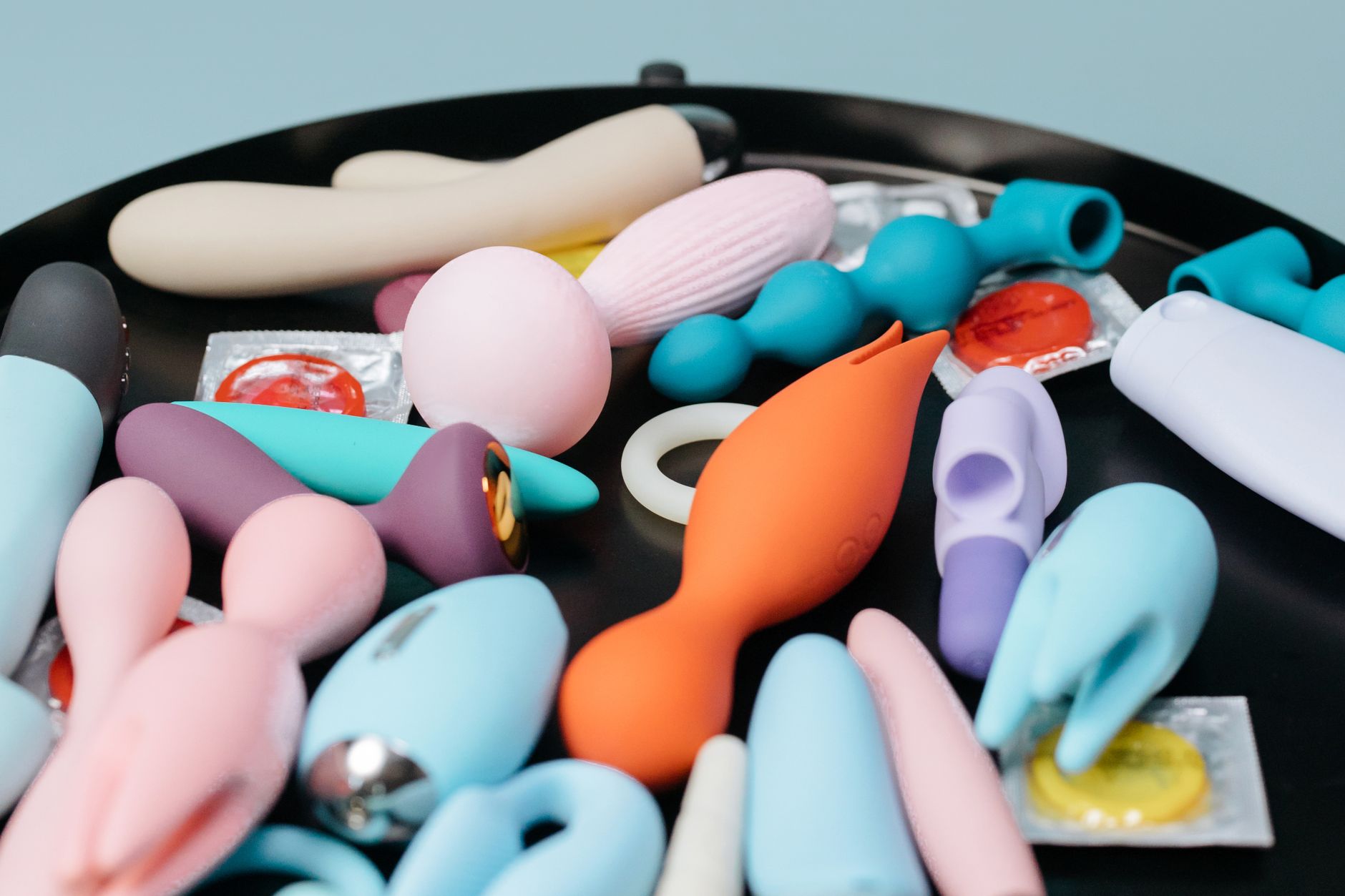
Photo by cottonbro studio on Pexels
Why lemon vibrators might feel different right now
If you've been using a particular style of clitoral vibrator for years and suddenly it doesn't feel right, here are the most common explanations.
Intensity is too high. Your nervous system is more easily overwhelmed. What felt perfect at pattern level 5 might now feel like someone's vibrating your teeth. This isn't permanent. Your tolerance will shift again.
Pattern complexity is too much. Those fancy rhythms with 12 different pulse patterns? Your brain might be too tired to track them. Simpler vibrations (steady, basic pulses) often feel better during perimenopause because your nervous system has bandwidth for the sensation itself, not the pattern decoding.
The angle is wrong. Hormonal shifts can change how your clitoris positions itself. If your lemon vibrator has always approached from below, you might suddenly find that a slightly higher angle or a side approach feels infinitely better. Same toy. Different geometry. Completely different sensation.
You need more warm-up time. Arousal during perimenopause genuinely takes longer. Not because you're less interested, but because blood flow is slower and more unpredictable. Starting with a vibrator when you're not fully aroused yet is like trying to start a car in cold weather. You need more prep.
Three resets that actually work
I've worked with hundreds of people navigating this exact transition. These three shifts make the biggest difference.
Reset 1: Start lower and slower. If your lemon sucker or lem vibrator has multiple intensity levels, live in the lower half for a month. Let your nervous system readjust. You can always go higher. You can't un-feel a jolt that was too much.
Reset 2: Separate sensation from outcome. Stop assuming that vibration is supposed to lead somewhere (orgasm, arousal, connection). Sometimes during perimenopause, your clitoris just wants to feel pleasure without the pressure of what that pleasure should do. Explore touch for its own sake. Notice what the lemon clitoral vibrator actually feels like in the moment, not what it used to feel like or what you think it should feel like.
Reset 3: Talk to your partner about the change, not the problem. If you're with someone, they've probably noticed you using your vibrator differently or less often. The worst thing you can do is let them assume it's about them or about desire. Say explicitly: "My body is changing right now. I'm figuring out what feels good. This has nothing to do with you, and I want your patience while I navigate it." That conversation changes everything.

Photo by cottonbro studio on Pexels
When to try a different style of clitoral vibrator
Sometimes the issue isn't your current toy. It's that your body needs something different. If you've been using a traditional vibrator, you might genuinely respond better to an air-pulse or suction style now. Air-pulse devices like a lemon sucker work differently than standard vibrators. Instead of direct vibration, they use gentle suction and pulsing. For clitorises that have become more sensitive or more withdrawn during perimenopause, this can feel dramatically better.
If you've always used an air-pulse toy, going back to a straight vibrator might suddenly feel good again. Your sensitivity changes month to month. Permission to experiment is the only real rule.
When you're browsing hello nancy or any clitoral vibrators collection, look for toys with fewer intensity levels (easier to navigate when your sensitivity is unpredictable) and simpler patterns (your brain will thank you). Materials matter less than you think. Sensation matters more. If it's body-safe silicone, it's fine.
The emotional piece that nobody mentions
Here's what I see in my practice constantly. The physical change from perimenopause is real, but the emotional hit is often bigger. People feel like they're losing something. They feel broken or aging or less desirable. That shame and fear actually suppress arousal more than any hormone does.
Your clitoris didn't betray you. Your body is in transition. And transitions come with awkwardness. You fumbled with new partners years ago. You fumbled with new jobs. This is the same awkwardness, just in a different context.
Most people who sit with this for a few months find that sensation comes back, but different. Not worse. Different. Some find that the clitoral orgasms they have during and after perimenopause are actually more intense because they've had to pay attention and recalibrate. When you're forced to slow down and notice your body, sometimes you discover it's actually smarter than you thought.
For more on recalibrating your relationship with pleasure during major life transitions, the Lemon Vibrators: How to Choose the Right Clitoral Vibrator guide walks through the landscape of what's actually available and what different sensations do.
FAQ: What people actually ask about this
Will perimenopause permanently change how my clitoral vibrator feels?
No. Sensation will continue shifting as your hormones stabilize. Some people move through perimenopause in 4-5 years. Others take longer. Your body will eventually find a new equilibrium, and your response to lemon vibrators and other clitoral vibrators will stabilize too. It might not feel exactly like it did at 30, but it will feel consistent again.
Is it normal to need a different intensity level on my lem vibrator now?
Completely normal. Perimenopause makes your nervous system more easily triggered and more easily overwhelmed simultaneously, which sounds contradictory but isn't. You might find that you need level 2 on some days and level 4 on others, depending on where you are in your hormonal cycle. This is your body communicating, not failing.
Should I switch to an air-pulse lemon sucker vibrator?
Maybe. If your current vibrator feels too harsh or doesn't seem to reach the right spot anymore, air-pulse devices like suction-style toys often feel gentler and more precise. There's no rule that says you have to stick with one type. Some people in perimenopause rotate between two or three styles depending on the day.
Can I use lubricant with my silicone lemon vibrators?
Absolutely. Water-based lube is your friend during perimenopause because even if lubrication isn't a problem for you, extra glide means you can use lower intensities to get the same sensation. That reduces the nervous system overwhelm a lot of people experience.
What if sensation just doesn't come back?
Talk to a doctor who specializes in perimenopause medicine. Sensation loss can sometimes signal other things (thyroid stuff, blood pressure changes, medication side effects) that are separate from hormones. It's not the vibrator. It's not you. It's usually something fixable.
Is it weird that I sometimes can't tell if my clitoral vibrator is even on?
Not weird. Sensory gating changes during perimenopause. Your nervous system sometimes just doesn't register stimulation the same way. This usually improves once hormones stabilize, but in the meantime, try warming up longer and using a lower intensity level before moving to what you think you want.
The thing nobody says straight
Your body during perimenopause isn't broken. It's reorganizing. And while it's reorganizing, you get to reorganize your pleasure too. That's not a consolation prize. That's actually the gift inside the awkwardness.
If you want a clearer roadmap for what's available and how to think about choosing hello nancy clitoral vibrators and lemon vibrators for this season of your life, check out the Lemon Vibrators: How to Choose the Right Clitoral Vibrator guide. It walks through the actual options in a way that doesn't assume you want everything on the highest setting.
Your pleasure matters. The fact that you're here, reading this, adjusting rather than giving up, tells me you already know that. Keep going.