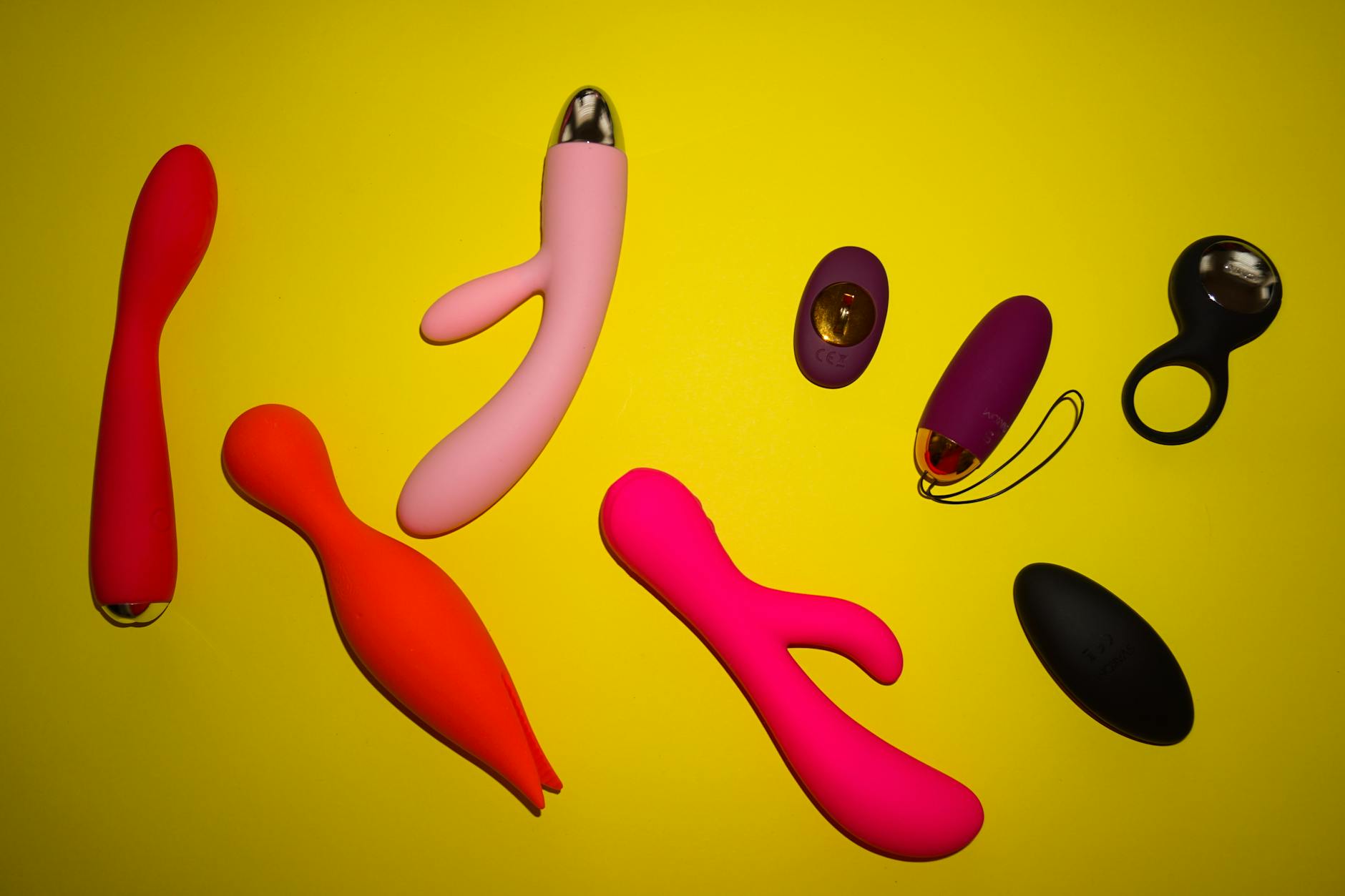
Here's what nobody tells you
Lubricant isn't a Band-Aid for "dryness." It's not something you add when something's wrong. It's a tool that fundamentally changes how sensation travels through your body, how your lemon clitoral vibrator performs, and how long you can comfortably use it.
When you use a clitoral vibrator without lube, you're working against friction. With lube, you're working with flow. That's the difference between a bumpy ride and silk.
The friction problem (and why it matters)
Your clitoris has around 8,000 nerve endings packed into a space roughly the size of a pea. When a lemon vibrator or any clitoral vibrator makes direct contact with that tissue without lubrication, every vibration has to push through static friction first. Your skin doesn't glide. It catches.
This matters because:
- Sensation gets muted. Friction dampens the signal. Lube lets vibration travel more directly to the nerve endings.
- Tissue can get irritated. Prolonged friction, even gentle friction, can leave your clitoris feeling raw or tender afterward.
- You tire faster. Your body has to work harder to register the stimulation, which means shorter sessions and less consistent sensation.
- Arousal stalls. If your clitoris is uncomfortable, the whole experience breaks. Your brain notices the friction before it notices the pleasure.
Add lubricant, and all of that shifts. The lemon vibrator glides. Sensation deepens. Sessions extend naturally. Your clitoris gets stimulated, not irritated.
Why lube changes the experience neurologically
There's something worth understanding about how your nervous system registers pleasure. It's not just about intensity. It's about continuity.
When you have good lubrication, the vibration from your lemon clitoral vibrator travels more consistently across the tissue. That consistency creates what neuroscientists call "sustained activation" of the nerves. Instead of activation spiking and dropping as friction rises and falls, it flows.
Flowing activation is what builds arousal progressively. It's why people often report that sex or self-pleasure with lube feels less like a series of pulses and more like a wave. Your nervous system isn't fighting to decode a signal through static. It's receiving a clean transmission.
This is particularly true for Hello Nancy's lemon clitoral vibrators like the Lem, which use variable patterns. The patterns work best when there's minimal resistance between the device and your skin. Lube is what creates that low-resistance environment.
The lube types that actually work with toys
Not all lubricants are created equal, especially when you're pairing them with silicone toys like your lemon vibrator.
Water-based lubricant is the safest bet. It's compatible with every toy material. It's easy to clean up. It reabsorbs into your tissue over time, which means you might need to reapply mid-session (not a bad thing, just something to know). Water-based lubes tend to feel lighter and less "slick" initially, but that's why many people prefer them for clitoral work. You get sensation without the heavy glide that can feel numbing.
Silicone-based lubricant feels richer and lasts longer. The downside: you can't use it with silicone toys because silicone + silicone can degrade the toy's surface over time. If your lemon vibrator is silicone (and Hello Nancy's are), silicone lube is off the table.
Oil-based lubricant (coconut oil, almond oil, etc.) has the longest glide, but it stains fabric, degrades latex, and if you have a silicone toy, it can do damage. Skip it unless you're using a non-porous toy and you don't mind the cleanup.
Hybrids mix water-based and silicone. They're a middle ground, but they carry the silicone-toy incompatibility risk. Read the label carefully.
For lemon vibrators and clitoral vibrators in general, I recommend water-based or hybrid lubes. They're toy-safe and they give you the sensation you're actually after.
How much lube is actually enough
This is where people tend to overthink it. More lube is not always better. Too much can actually muffle sensation because you're adding layers between your skin and the vibrator.
Start with a coin-sized amount. About what you'd use to moisturize the back of your hand. Apply it directly to your clitoris or to the tip of your lemon clitoral vibrator. Turn the vibrator on and let it glide for a few seconds. You'll feel whether you need more.
Most people find they need a reapplication halfway through a longer session, especially with water-based lube. That's normal. It's also a good moment to check in with yourself: Does this still feel good? Do I want to keep going or are we done? Adding lube is a natural pause point.
The sensation difference you'll actually notice
Let me be specific about what changes when you introduce lube to your lemon clitoral vibrator routine.
Without lube, the vibration feels pointed and surface-level. You notice the buzzing. You feel the vibrator working.
With lube, the vibration diffuses. You feel it more deeply, like it's traveling into the nerve tissue rather than vibrating on top of it. The sensation is broader. It's also more complex, which is why people often report that orgasms with lube feel more textured.
Speed and pattern matter more with lube too. Because friction isn't in the way, you can actually feel the difference between pattern one and pattern five on your lemon vibrator. Without lube, the patterns can feel like the same intensity with a slightly different rhythm. With lube, they're genuinely different experiences.
Session length usually extends when you add lube, partly because it's more comfortable, and partly because the sensation is actually building rather than plateauing. People report going from 8-minute sessions to 15-20 minute sessions naturally, just because it feels better to continue.
When lube becomes essential
There are moments when lube stops being optional.
If you're exploring how lemon vibrators improve clitoral sensitivity over time, longer sessions mean more micro-trauma risk without proper glide. Lube protects the tissue while you're building that sensitivity.
If you're dealing with any kind of hormonal shift (perimenopause, certain medications, hormonal birth control changes), your natural lubrication may decrease. Adding external lube isn't a sign something's wrong. It's basic equipment maintenance.
If you have a partner and you're using lemon vibrators together, lube makes the experience less jarring for shared use. It also means you're not relying on your partner's stimulation to generate natural lubrication, which takes pressure off both of you.
If you're using your lemon clitoral vibrator more than once a week, lube reduces cumulative irritation. Your clitoris is resilient, but consistent friction adds up over time.
Common lube questions answered
Does lube reduce sensation? No, if you're using the right amount. Too much can, but a functional amount deepens sensation by letting vibration travel more directly to the nerves.
Is it normal to need lube if my body doesn't naturally produce much? Completely normal. Natural lubrication varies wildly based on hydration, hormones, arousal timing, and just genetics. Lube is not a personal failure.
Can I use saliva? Technically, yes, but it dries quickly and you'll need to reapply constantly. Water-based lube is designed to stay slippery longer. It's worth the investment.
What if lube irritates my skin? You might be sensitive to glycerin (which many lubes contain) or parabens. Try a hypoallergenic or glycerin-free lube. Test it on your inner arm first.
Does lube make my lemon vibrator less effective? The opposite. It makes it more effective by removing friction resistance.
How do I clean my vibrator after using lube? Warm water and a tiny amount of unscented soap. Silicone toys are nonporous, so lube doesn't soak in. A quick rinse and pat dry is enough.
The setup that actually works
Here's my practical recommendation for using lube with your lemon vibrator:
Keep your lube in a place where it lives permanently. Not in a drawer you forget about. Somewhere you see it regularly. The more friction (pun intended) between you and lube, the less you use it.
Start with a small amount on your clitoris, not the toy. It distributes more evenly that way.
Turn on your lemon clitoral vibrator at a lower speed first. Let the lube distribute across your clitoris before you increase intensity.
Reapply when sensation starts to feel draggy or less precise. That's your signal that friction is creeping back in.
Clean your toy immediately after, while you remember. Lube + time = a harder cleanup later.
The whole point is that using lube with your lemon vibrator should feel normal, not fussy. It takes 10 seconds to apply and it transforms the entire experience. That's worth the minor logistics.
Final thought
Lubricant is one of those things that seems obvious once someone explains it, but nobody does explain it clearly. It's not medical. It's not a workaround. It's a simple tool that makes a complex experience better. Your lemon clitoral vibrator is designed to create sensation. Lube is what lets that sensation travel unobstructed. Use them together.
If you're new to clitoral vibrators and you're wondering where to start, our buying guide walks through the options. If you're looking to deepen your existing practice, lube is the single easiest upgrade you can make.