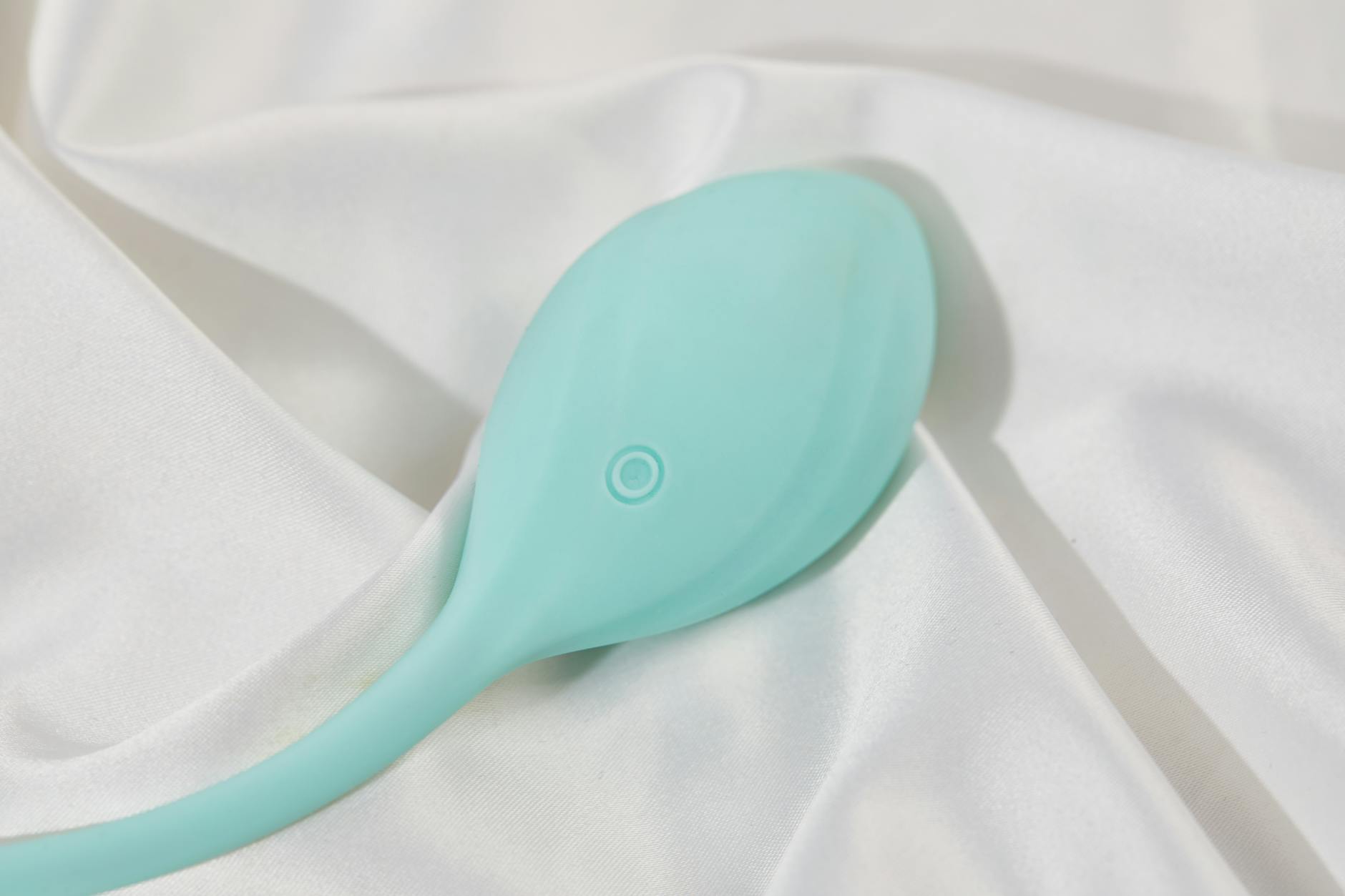
The short answer: it's complicated
Yes and no. Your body doesn't build mechanical tolerance to lemon vibrators the way it builds tolerance to medication. But sensation absolutely changes over time with regular use, and that shift is rarely what people expect. The change isn't always "I need more intensity." It's often "I know myself better, so I use it differently."
Honestly though, the question itself reveals something important. Most people assume that using a clitoral vibrator regularly means you'll eventually need to turn up the dial. That's actually backwards for most users. What actually happens is more interesting.
How your nervous system responds to repeated stimulation
There's a real neurological concept called habituation. Your sensory system literally stops noticing repetitive stimuli. Hold your hand on your arm. After thirty seconds, you barely feel the pressure anymore. Your nervous system just... stops reporting it.
But here's what's weird: this doesn't happen the same way with pleasure stimulation. Sexual sensation is processed through different neural pathways than simple touch. Your brain is actively engaged in arousal, anticipation, and reward. That's not the same as passively feeling pressure.
The first time you use a lemon vibrator, everything is novel. You're learning what each intensity setting feels like. You're discovering your body's response. That cognitive load is huge. Three months in, you've integrated the experience. You know immediately what setting works, how to angle it, how long the battery lasts. That knowledge isn't numbness. It's expertise.
What actually changes with regular lemon clitoral vibrator use
Three specific things happen, and none of them mean your pleasure is disappearing.
1. You become more efficient. When you first use a lemon vibrator, you might explore. Try different settings. Pause and start again. After weeks, your body knows the fastest route to orgasm. That's not tolerance. That's skill. The intensity hasn't changed, but your technique has.
2. Your expectations sharpen. You develop preferences. Maybe you used to rotate between settings 2 and 5. Now you know exactly which one works best for you at which point in your cycle, or how your arousal builds. You start skipping the stuff that doesn't work and going straight to what does. This feels like intensity increase because you're comparing to the meandering explorations of month one.
3. You might crave variety. This is different from needing more power. After using a lemon sexual toy the same way for months, your brain craves novelty. That's not your vulva becoming numb. That's your mind getting bored. It's actually a good sign. It means you're ready to explore different angles, different settings, different scenarios.
The tolerance question: do you actually need more power?
In clinical research on vibrator use, the data is clear. People don't need to keep increasing intensity indefinitely. What happens instead is that initial exploration settles into stable preference.
First week: people try settings 1 through 5 to see what they feel like. Month two: most users stick to one or two favorite settings. Month six: still those same settings.
If you do feel like you need higher intensity after months of use, consider these alternatives before buying a more powerful toy:
1. Change the angle. If you've been using your lemon clitoral vibrator directly on the clitoris, try resting it over the entire vulva, or on the sides. Different angles activate different nerve clusters. It feels like a completely new sensation without any change in actual power.
2. Build arousal differently. Orgasm intensity depends partly on how much arousal you've built beforehand. If you're jumping straight to the vibrator, you're skipping the process your nervous system actually needs. Try 10 minutes of fantasy, touch, or anticipation before the toy even comes out. Then the same setting will feel dramatically more intense.
3. Take a break. Two weeks away from vibrators can reset your nervous system's response. You're not addicted. Your system just got habituated. A short break recalibrates everything.
4. Introduce lubricant if you haven't already. Water-based lube changes how the toy feels against your skin. It reduces friction, which sounds like it would be less intense, but it actually allows for more efficient nerve stimulation. It's why users of lemon sucker toys often report breakthrough orgasms after adding lube. Why lemon vibrators work better with lubricant is its own deep topic, but the quick version is that lube is a tool, not a cheat.
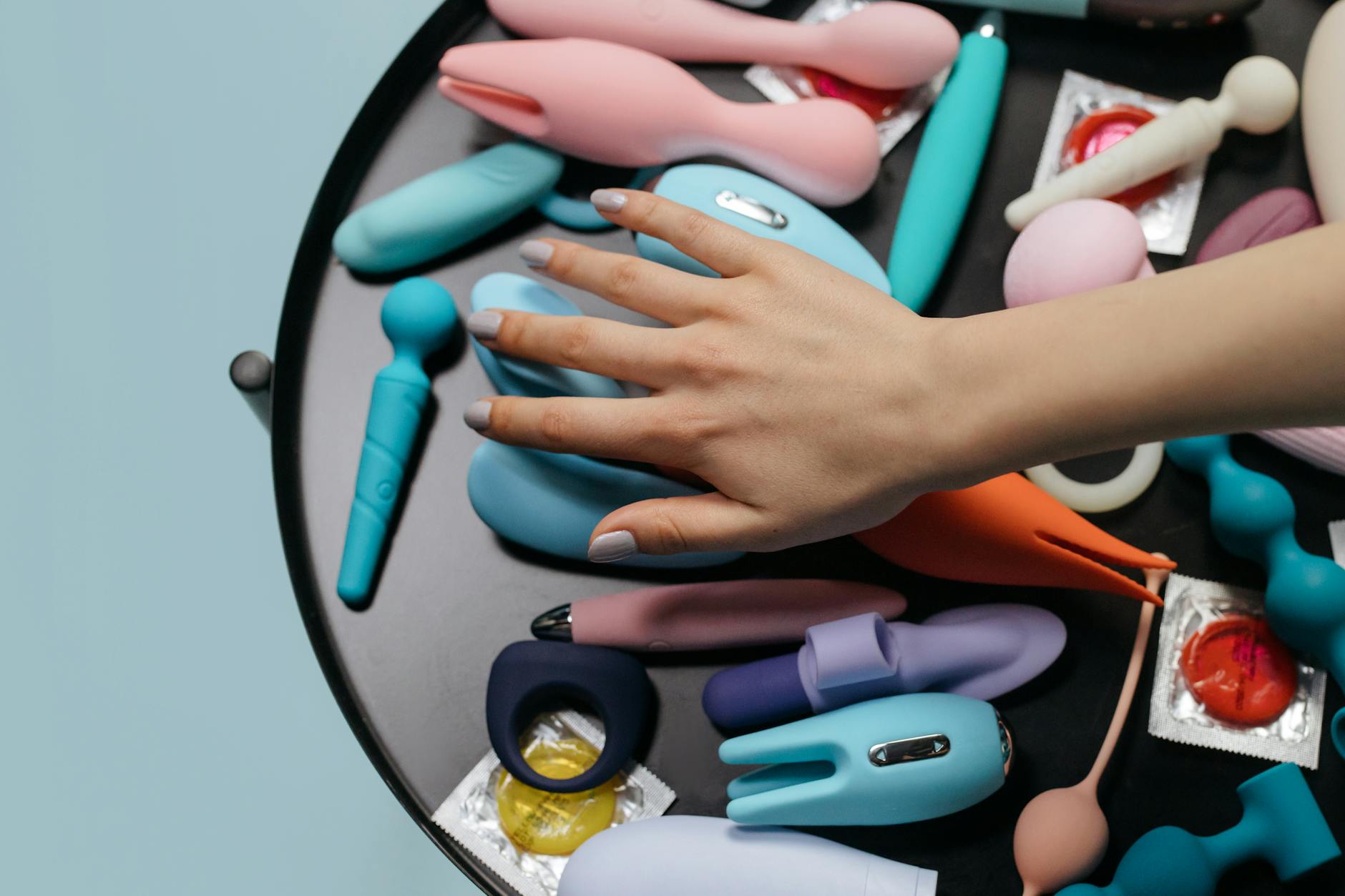
Photo by cottonbro studio on Pexels
Why some people do feel decreased sensation
If you're genuinely noticing that your lemon vibrator feels less intense than it did six months ago, and angle and lube and arousal changes haven't helped, here are the actual culprits.
Battery degradation. Rechargeable vibrators lose capacity over time. If your Hello Nancy toy isn't charging as quickly or running as long, the motor might be weakening slightly. This is normal wear. It doesn't mean your body changed. It means the device did. Check that your toy is fully charged (many people's batteries degrade because they're never letting them fully discharge and recharge).
Physical changes. Hormonal shifts absolutely affect sensation. If you're entering menopause, postpartum, or a different phase of your cycle, clitoral sensitivity genuinely does fluctuate. This isn't about vibrator intensity. It's about your body. The same vibrator will feel different depending on your estrogen levels, stress, medication, and overall pelvic floor tension. If this is what's happening, the solution isn't a stronger toy. It's often understanding how your sensitivity actually works across your cycle.
Pelvic floor tension. If your pelvic floor is chronically tight, sensation gets muted. Ironically, using a vibrator regularly without addressing pelvic floor tightness can make this worse, not better. The solution is pelvic floor relaxation, not vibrator intensity.
Medication or health changes. SSRIs, blood pressure medications, and some other prescriptions genuinely affect sexual sensation. If your lemon clitoral vibrator sensitivity shifted at the same time you started a new medication, that's worth discussing with your doctor. Not because something is wrong with you, but because your doctor might have alternatives with fewer sexual side effects.
Building and maintaining pleasure with regular use
If you want sensation to stay rich after months of use, here's what actually works.
Rotate settings intentionally. Don't stick to your favorite setting every time. Spend a week using only setting 1. Then only setting 3. Your nervous system recalibrates. When you return to your favorite setting, it feels fresh again.
Introduce partner dynamics. If you usually use your lemon vibrator solo, having a partner hold it, control the settings, or incorporate it into partnered sex changes the entire experience. The toy hasn't changed. The context has. And context is huge.
Vary your scenario. Orgasm isn't just physical. It's contextual. Using your vibrator while reading erotica feels different from using it in the shower, or while thinking about someone specific, or while watching something that turns you on. Same toy, wildly different sensation.
Use it less frequently. Counterintuitively, using your lemon sexual toy three times a week instead of daily often intensifies sensation when you do use it. It's the frequency issue again. Your nervous system needs variation to stay responsive.
The real marker: are you still having good orgasms?
Here's what I actually care about when someone asks if their vibrator is losing intensity. Are you still having orgasms? Do they still feel good? Are you still getting turned on?
If the answer to all three is yes, then the intensity hasn't actually decreased. What's happened is you've integrated the tool into your pleasure. The novelty wore off, but the function didn't.
The people I worry about are those reporting that sex feels numb across the board. Not just with the vibrator, but with partners, with fantasy, with everything. That's a different conversation. That's usually stress, medication, hormones, or relationship stuff wearing on you. A new vibrator won't fix that. A conversation with your doctor or therapist will.
What if you do want to try something different?
If you've genuinely optimized around your current lemon vibrator and you want to explore, there's nothing wrong with trying a different style. Different toys offer different sensations, even if the intensity is similar. A wand vibrator feels nothing like a clitoral suction toy. A larger vibrator distributes sensation differently than a smaller one.
But before you buy something new, try the resets first. Take a week off. Change your angle. Build arousal longer. Add lube. Use a different setting pattern. Most of the time, that's all you need. The intensity hasn't vanished. You've just gotten really good at using what you have.
People also ask
Can you become desensitized to lemon vibrators if you use them every day?
Desensitization is rare with sexual stimulation because pleasure involves active brain engagement, not passive sensation. But habituation can happen with daily use of the exact same setting and angle. If you're using your lemon clitoral vibrator the same way daily, try varying your approach: alternate settings, change angles, take occasional breaks, or use it less frequently. You're not broken. You're just bored.
Do lemon sexual toys stop working after a certain amount of time?
Your toy doesn't stop working. What changes is your nervous system's novelty response. Battery degradation can cause slight power loss over years, but that's mechanical, not physiological. If your toy is noticeably weaker, check the charge. If it's fully charged and still weak, the motor may be aging. But this is separate from whether your body has built tolerance.
Is using a lemon vibrator too much bad for you?
Daily vibrator use is not inherently harmful. People use them once a week or five times a day depending on what they want. The only real risks are physical irritation (which happens with friction and rough texture, not normal use) or pelvic floor dysfunction if you're tightening muscles during use rather than relaxing them. If you're using a lemon sucker toy regularly and noticing discomfort or numbness, that's worth examining. But pleasure use alone doesn't damage you.
Why does my lemon vibrator feel less intense when I'm stressed?
Stress genuinely impairs sexual response. When your nervous system is in survival mode, arousal gets suppressed. This has nothing to do with your vibrator. Your body is doing exactly what it should do under stress. The solution is managing stress, not buying a stronger toy. Sleep more. Move your body. Breathe differently. Then try the toy again.
Can tolerance to vibrators be reversed?
Yes. Take a break (even just two weeks away), vary your use pattern, change your scenarios, introduce partners or different contexts, or reset with rest and different angles. Your nervous system isn't broken. It just got comfortable. Discomfort and novelty reset that comfort.
Do different lemon vibrator settings work better at different points in your cycle?
Absolutely. Clitoral sensitivity and arousal speed change dramatically through your cycle. Before ovulation, you might prefer higher intensity. After ovulation, a lighter setting might feel more intense. This isn't your vibrator changing. It's your hormones. Tracking this variation is genuinely useful information about your own body.
The bottom line
Your body probably hasn't built true tolerance to your lemon vibrator. What's likely happened is you've gotten smarter about using it. You know your preferences. You've built a reliable path to pleasure. That's not numbness. That's skill.
If you want sensation to stay fresh, rotate settings, vary your context, take occasional breaks, and build arousal before you use the toy. If you want to explore something new, that's fine too. But you don't need a stronger vibrator. You need to remember that pleasure is partly physical and partly contextual. Change the context, and the same lemon clitoral vibrator will feel brand new.
Your pleasure matters, and it's worth paying attention to. But most of the time, when sensation feels flat, it's not about the toy. It's about how you're using it. And that's actually good news, because that's something you can change right now.